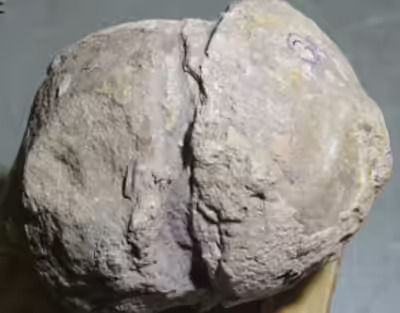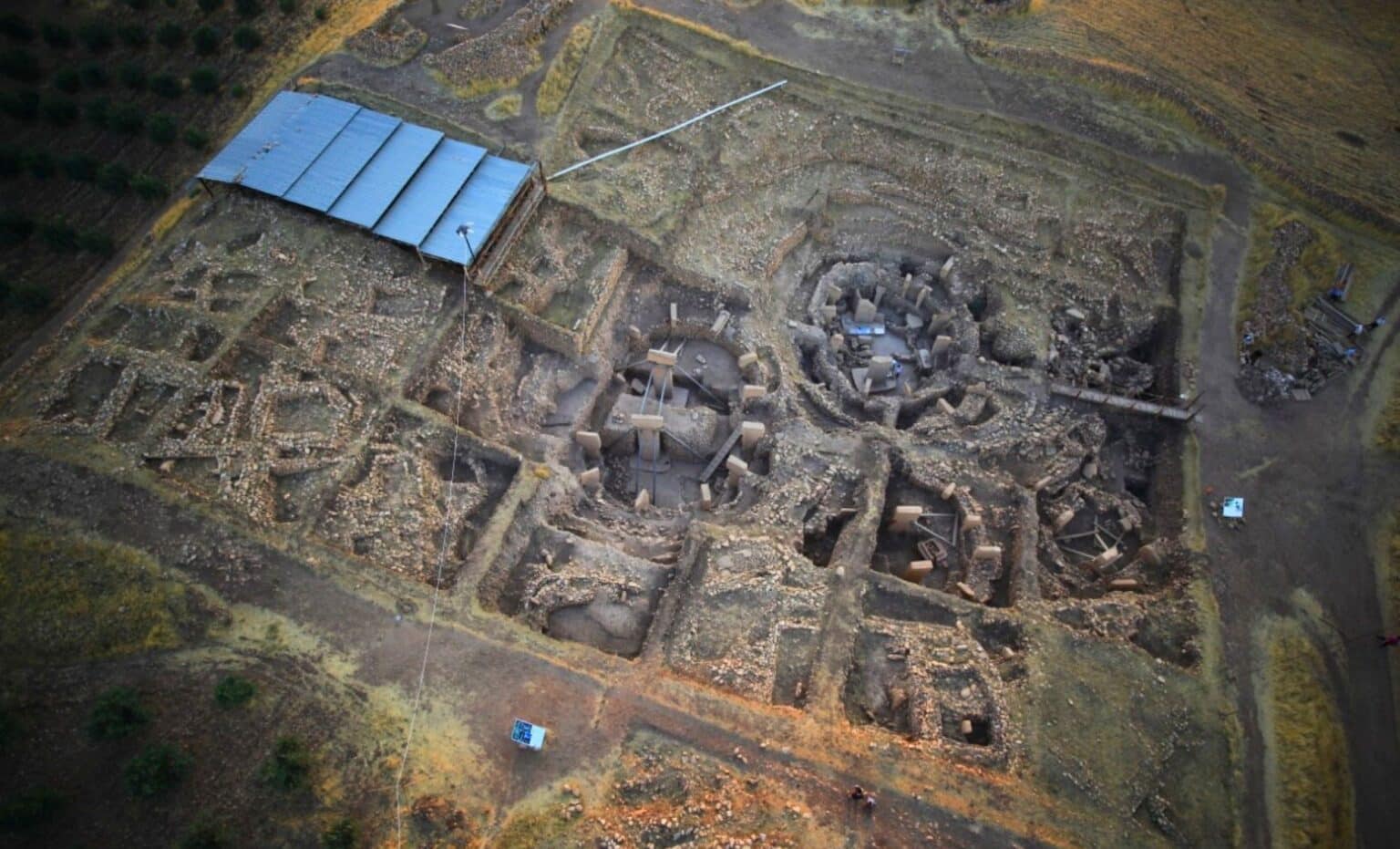

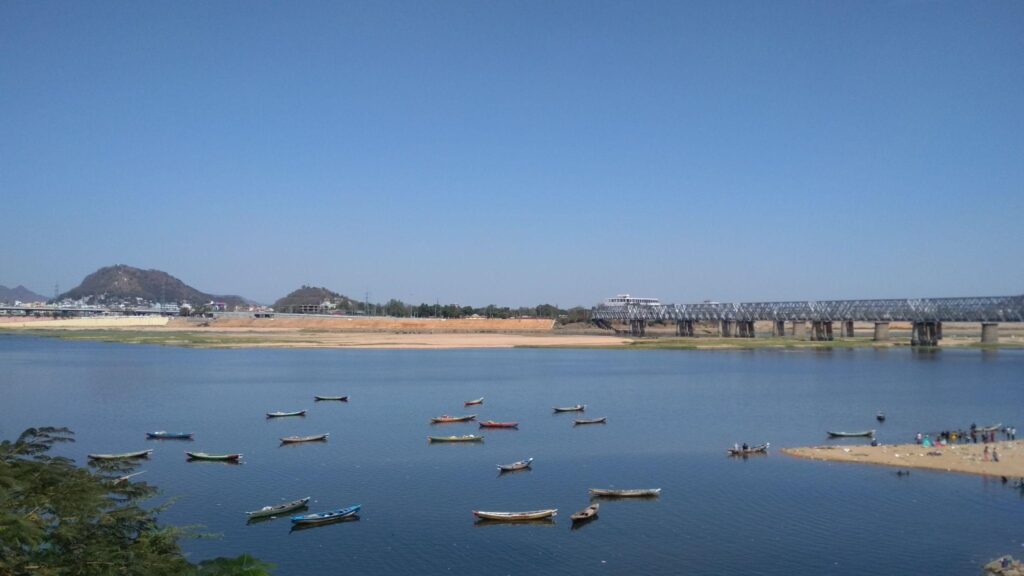
A remarkable archaeological discovery has emerged from Dameracherla mandal in the Telangana’s Nalgonda district. Researchers have identified the remains of a 3,000-year-old urban settlement situated along the fertile banks of the Krishna River.
Preliminary findings suggest that this site witnessed continuous occupation from the Iron Age through the medieval period, making it one of the most significant multi-period archaeological landscapes in the Deccan region.
📍 Location & Geographic Importance
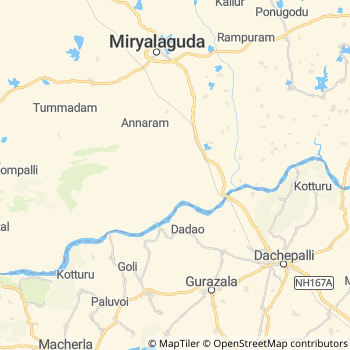
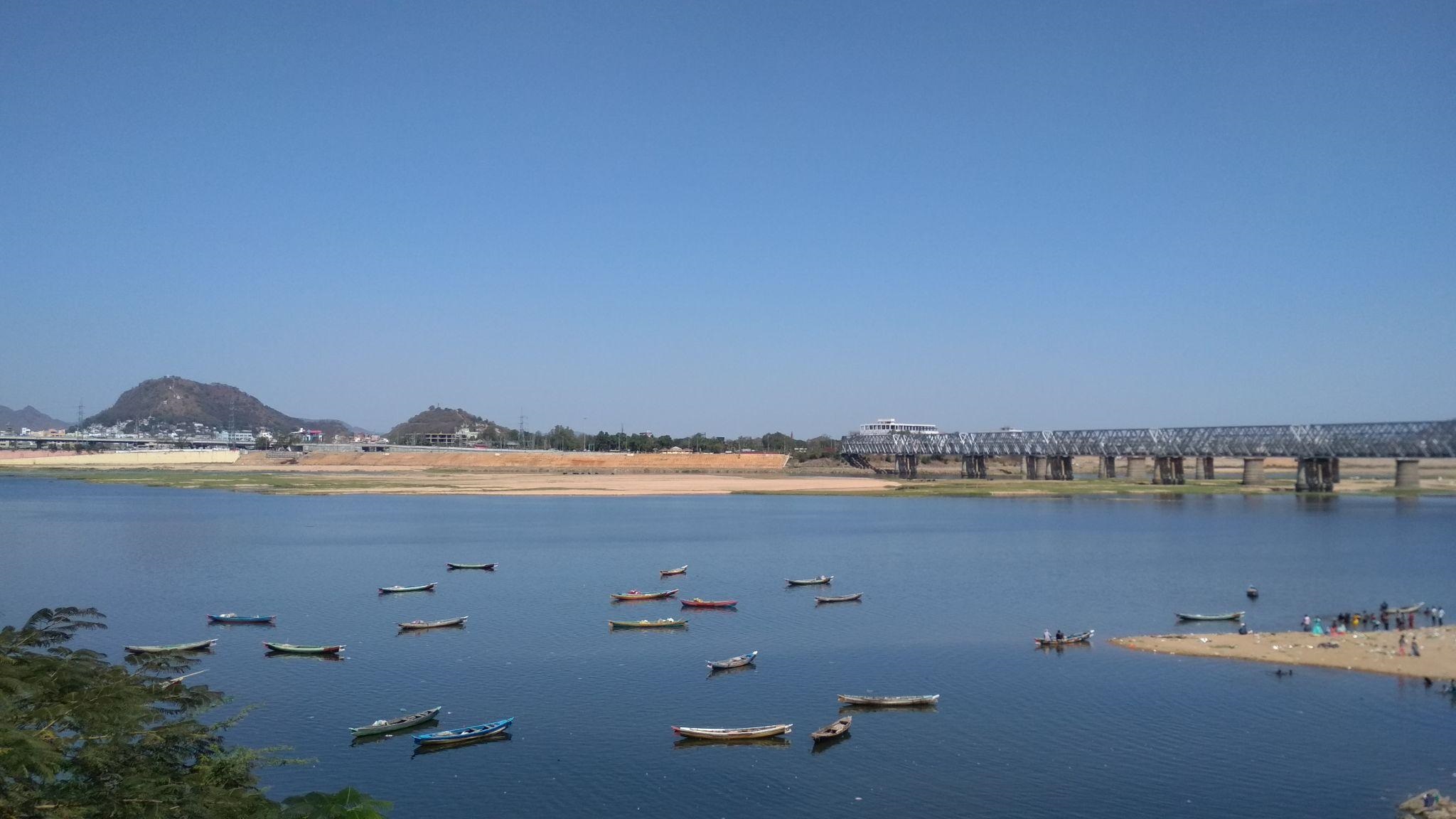
The site lies strategically near the Krishna River, one of South India’s most historically important river systems. River valleys have traditionally served as:
- Agricultural powerhouses
- Trade and transportation corridors
- Cultural and ritual landscapes
The Krishna River basin has supported settlement for millennia, and this discovery further strengthens the understanding of riverine urbanism in peninsular India.
🏺 Archaeological Findings: What Has Been Unearthed?
Excavations and surveys have revealed a complex urban centre featuring:
🏰 Fortifications
Stone-built defensive structures indicate organized planning and possible political authority. Fortifications suggest the settlement may have held regional administrative or strategic importance.
🌾 Granaries
Large storage structures imply surplus agricultural production, pointing to an advanced agrarian economy capable of sustaining a sizable population.
🛕 Temple Remains
Architectural fragments and sculptural elements indicate ritual activity continuing into early historic and medieval phases. This suggests cultural continuity and religious transformation over centuries.
💧 Wells & Water Systems
Water management features show adaptation to riverine ecology and long-term habitation planning.
⚱️ Megalithic Burials
Iron Age burial features connect the settlement to South India’s megalithic cultural traditions. These burials provide insight into early social organization and mortuary practices.
🗿 Sculptures & Structural Remains
Stone sculptures and architectural fragments reflect evolving artistic styles across periods, offering valuable material for stylistic and chronological analysis.
🧭 Iron Age to Medieval: A Rare Cultural Continuum
What makes this site exceptional is its multi-period occupation:
| Period | Evidence |
|---|---|
| Iron Age (c. 1000 BCE onward) | Megalithic burials, early settlement traces |
| Early Historic | Expanding habitation and structural complexity |
| Medieval Period | Temple architecture, sculptural remains |
Such continuity allows archaeologists to reconstruct:
- Changes in political authority
- Economic transformation
- Religious shifts
- Urban expansion and contraction
Few sites in the Deccan demonstrate such an extended occupational sequence within a single settlement landscape.
🌍 Why This Discovery Matters
1️⃣ Understanding Deccan Urbanization
The Deccan plateau’s urban history is still being pieced together. Multi-layered sites like this help bridge chronological gaps between protohistoric and medieval phases.
2️⃣ Long-Term Settlement Dynamics
The site offers evidence of how communities adapted over 3,000 years—responding to environmental shifts, trade developments, and political change.
3️⃣ Economic & Ritual Significance
The combination of granaries and temples suggests the settlement functioned as both:
- An economic hub
- A ritual or sacred centre
This dual function reflects a pattern seen in many long-standing South Asian urban settlements.
4️⃣ River-Based Civilizational Growth
Like the Indus and Ganga plains, the Krishna basin emerges as a crucial corridor for sustained human development in South India.
🔬 What Researchers Will Focus on Next
Future excavations and scientific studies may include:
- Radiocarbon dating
- Ceramic typology analysis
- Metallurgical examination
- Epigraphic study (if inscriptions are found)
- Paleoenvironmental reconstruction
These analyses will clarify:
- Exact chronological phases
- Political affiliations
- Trade networks
- Cultural transitions
🏛️ Broader Context: Telangana’s Expanding Archaeological Map
In recent years, Telangana has yielded significant discoveries spanning prehistoric to medieval periods. This newly identified city adds depth to the region’s historical narrative and reinforces the importance of systematic archaeological exploration in the Krishna River valley.
📌 Conclusion
The discovery of this 3,000-year-old urban settlement in Dameracherla mandal represents more than just structural remains—it offers a rare window into millennia of human continuity, adaptation, and transformation in the Deccan.
As excavations progress, this site has the potential to redefine our understanding of early urban development in South India.