
A Monumental Iron Age Burial Find That Rewrites Early South Indian Metallurgy
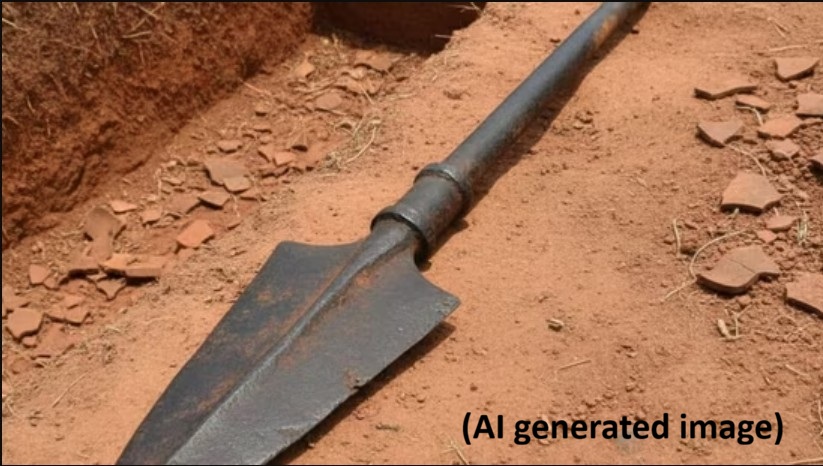
Thirumalapuram, Tamil Nadu — In a remarkable archaeological development, researchers have uncovered a well-preserved eight-foot iron spear placed inside a burial context. The discovery is being described as one of the longest Iron Age iron implements recorded in the region, offering fresh insight into early South Asian metallurgy, warfare symbolism, and funerary traditions.
This extraordinary find strengthens Tamil Nadu’s position as one of the most archaeologically rich regions in peninsular India.
📍 Where Was the Spear Found?
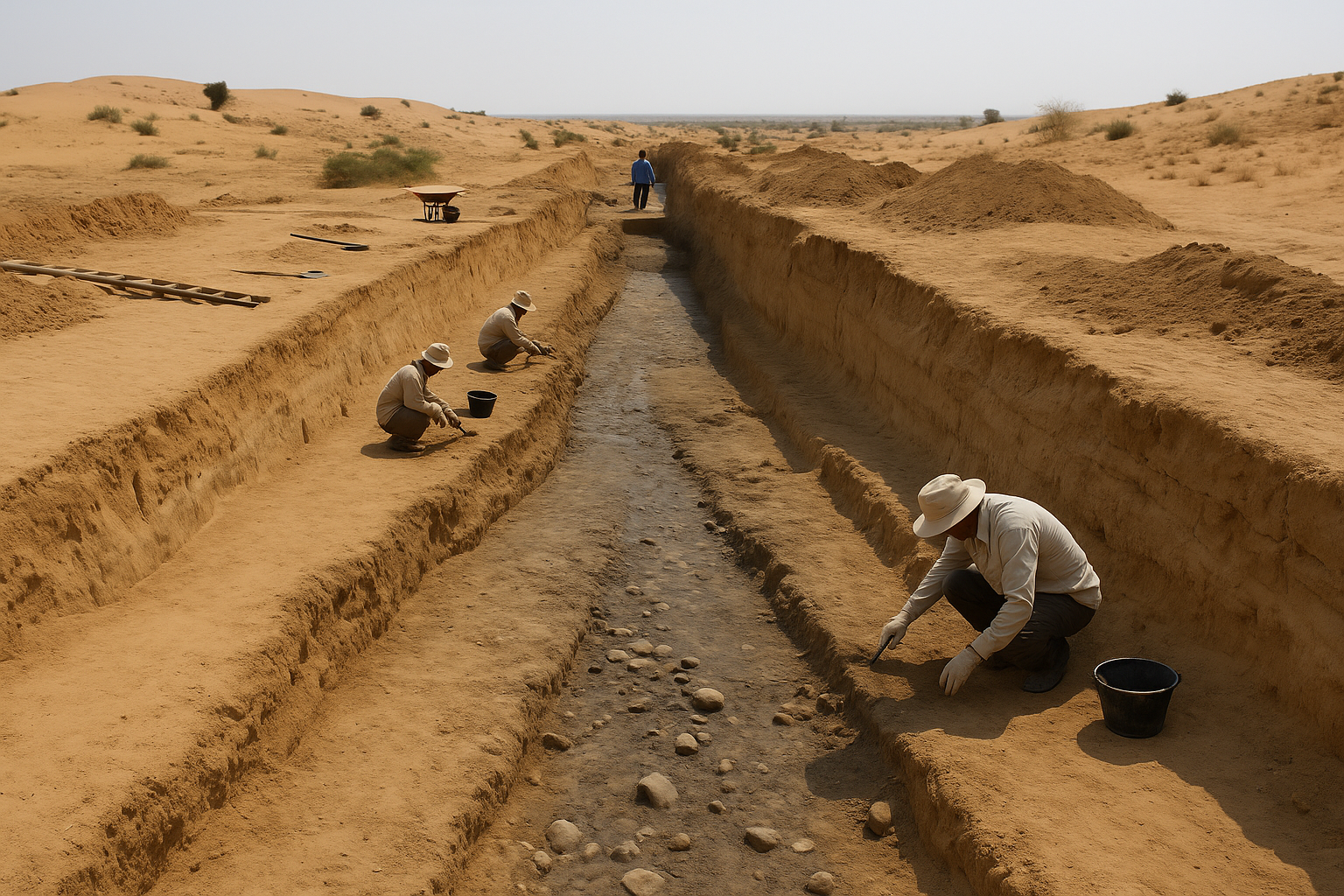
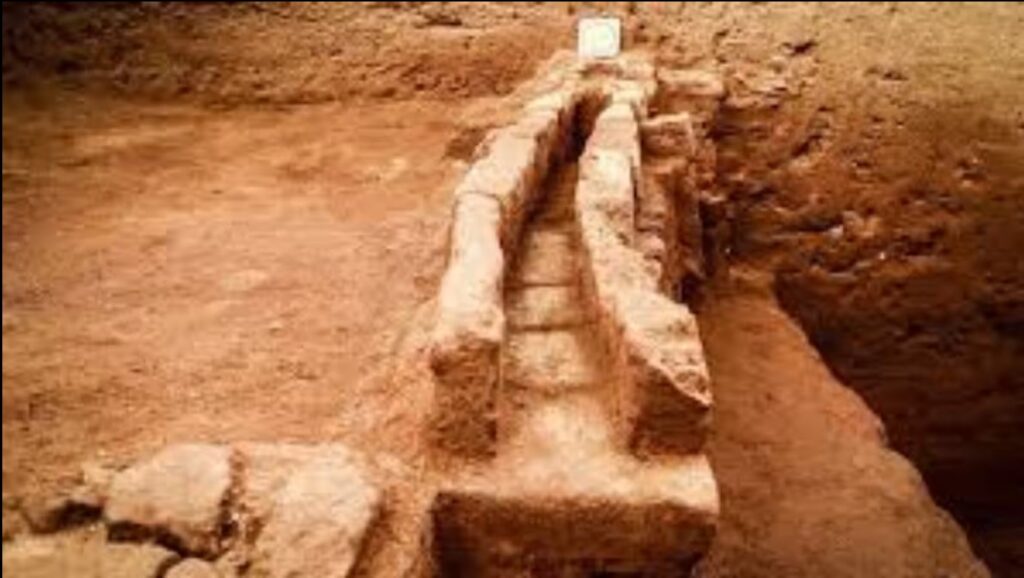
The discovery was made at Thirumalapuram in Tamil Nadu, a region known for its megalithic burial traditions and Iron Age cultural layers. The spear was carefully positioned inside a burial context, suggesting deliberate ritual placement rather than accidental deposition.
Burial excavations in Tamil Nadu have historically revealed:
- Iron weapons
- Pottery assemblages
- Beads and ornaments
- Stone circles and urn burials
However, the sheer size of this spear makes it particularly significant.
🗡️ Description of the Iron Spear
- Length: Approximately 8 feet
- Material: Forged iron
- Condition: Remarkably well-preserved
- Context: Found within a burial
Iron is highly susceptible to corrosion, especially in tropical climates. The survival of such a long iron implement indicates either favorable burial conditions or advanced forging quality.
The size suggests it may not have been a simple battlefield tool — it could have been ceremonial, symbolic, or associated with elite warrior status.
⚒️ Metallurgical Significance
Iron production requires:
- High-temperature furnaces
- Ore processing knowledge
- Skilled forging techniques
- Organized labor and resource networks
Producing an eight-foot spear would demand technical mastery. This discovery challenges outdated assumptions that early South Indian societies were technologically limited.
Instead, it reinforces growing archaeological evidence that Iron Age communities in Tamil Nadu possessed sophisticated metallurgical traditions.
🏺 Iron Age Burial Culture in Tamil Nadu
Tamil Nadu is famous for its megalithic burial culture, characterized by:
- Stone circles
- Cist burials
- Urn burials
- Grave goods including weapons
Weapons in burial contexts often represent:
- Martial identity
- Social hierarchy
- Clan or tribal symbolism
- Ritual protection in the afterlife
The placement of this spear strongly indicates that the individual buried here may have held special status — possibly a warrior, chieftain, or elite figure.
📜 Chronological Debate: Why “5,300 Years” Matters
The spear is being described as approximately 5,300 years old, a date that — if scientifically confirmed — would significantly reshape discussions about early iron usage in South Asia.
Traditionally, the South Indian Iron Age is dated roughly between 1200 BCE and 300 BCE. A much earlier date would:
- Challenge established chronological frameworks
- Push back iron usage timelines
- Demand fresh radiocarbon and metallurgical analysis
Further laboratory testing and peer-reviewed publication will be crucial to establish precise dating.
🌍 Why This Discovery Is Important
This discovery is significant for several reasons:
1️⃣ Technological Advancement
Demonstrates advanced iron-working capabilities.
2️⃣ Cultural Insight
Highlights weapon symbolism in burial rituals.
3️⃣ Regional Importance
Adds to Tamil Nadu’s growing list of major archaeological finds.
4️⃣ Academic Impact
May influence broader debates about early metallurgy in South Asia.
🔎 What Happens Next?
To fully understand the spear’s historical context, researchers will likely conduct:
- Metallurgical composition analysis
- Soil and corrosion studies
- Radiocarbon dating of associated organic remains
- Comparative studies with other South Indian Iron Age sites
Only after scientific validation can its exact age and cultural placement be confirmed.
🏛️ Tamil Nadu’s Expanding Archaeological Legacy
Over the past decade, Tamil Nadu has produced several major discoveries that have reshaped our understanding of ancient South India. The Thirumalapuram spear now joins this expanding archaeological narrative.
Each excavation adds another layer to India’s deep civilizational timeline — reminding us that the subcontinent’s technological and cultural history is far more complex than once believed.
📌 Conclusion
The discovery of an eight-foot iron spear in a burial at Thirumalapuram stands as a powerful testament to early South India’s metallurgical skill and ritual traditions.
If confirmed to be as old as reported, this spear could represent one of the most significant Iron Age finds in Tamil Nadu in recent years.
As scientific analysis continues, the world will be watching closely.
🔔 Follow The Indian Archaeology
For authentic, research-backed updates on discoveries from across the Indian subcontinent.