
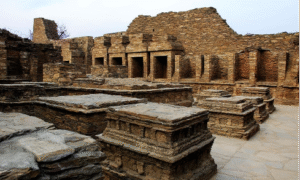
Recent archaeological excavations in Baramulla district, Jammu & Kashmir, have revealed remarkable Buddhist remains dating back nearly 2,000 years, reopening an important but often overlooked chapter of Kashmir’s ancient past. The discovery includes stupas, monastic structures (viharas), and cultural layers belonging to the Kushan period, a time when Buddhism flourished and expanded far beyond the Indian subcontinent.
This finding not only enriches regional history but also strengthens Kashmir’s position as a key center of early Buddhism in South Asia.
📍 Where Was the Discovery Made?
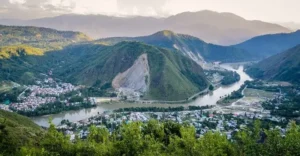
Baramulla lies in the north-western Kashmir Valley, a region historically known as a cultural corridor connecting India, Central Asia, and China. Though Kashmir’s Buddhist past is mentioned in ancient texts, physical archaeological evidence has remained limited—making this discovery especially significant
🧱 What Did Archaeologists Find?
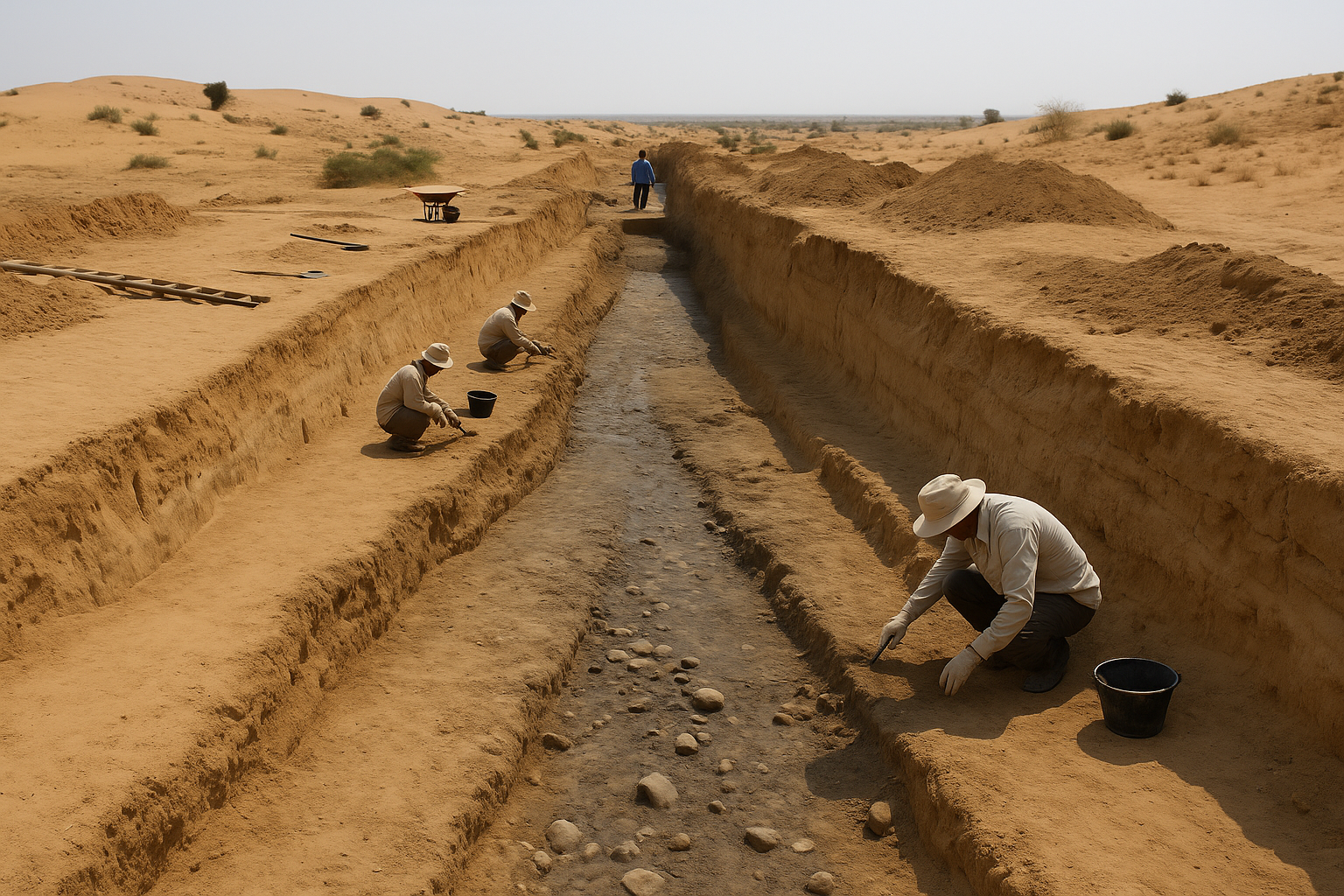
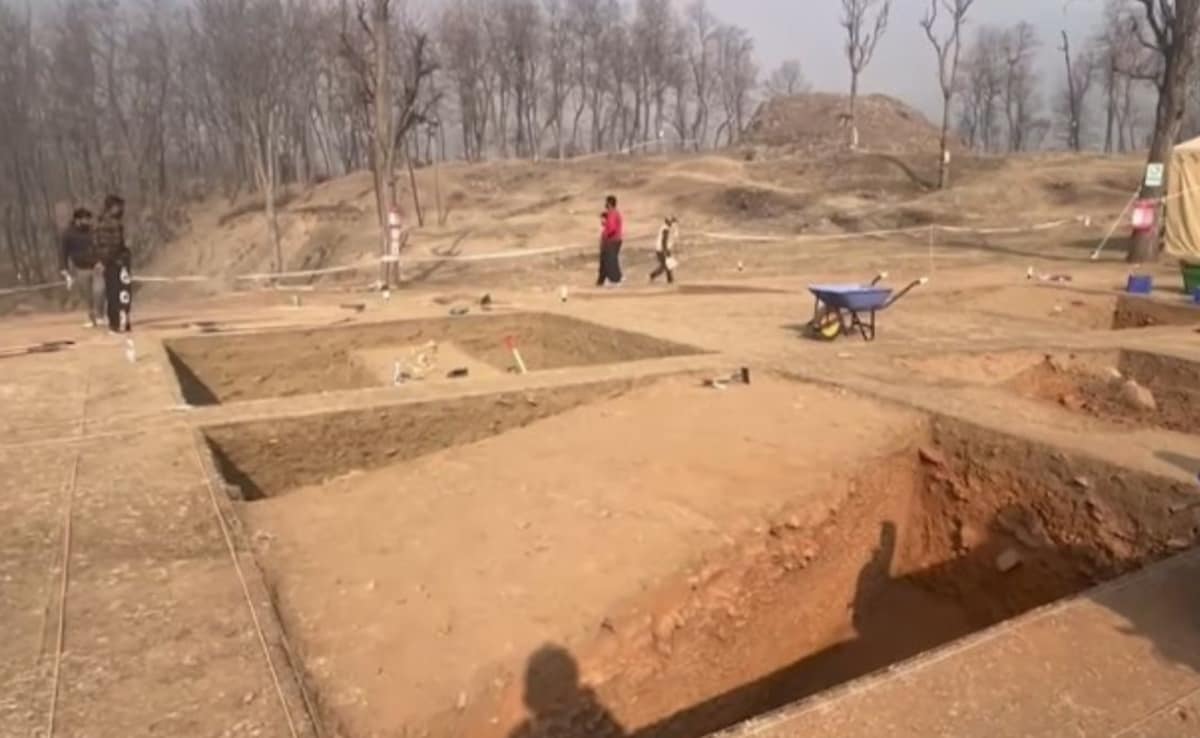
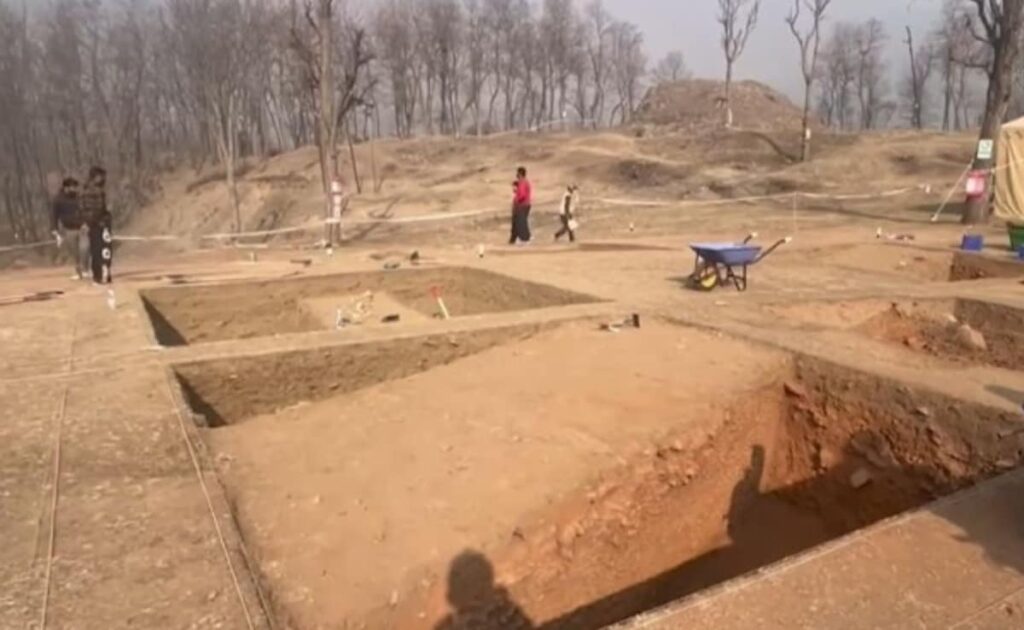
Excavations have exposed a well-planned Buddhist complex, indicating an established religious and monastic settlement rather than a temporary presence.
Key discoveries include:
- Stone stupas used for ritual worship and relic veneration
- Monastic buildings (viharas) suggesting permanent Buddhist communities
- Structural foundations and cultural deposits linked to sustained occupation
The architectural features and construction techniques clearly align with the Kushan era (c. 1st–3rd century CE).
🕉️ The Kushan Period & Buddhism
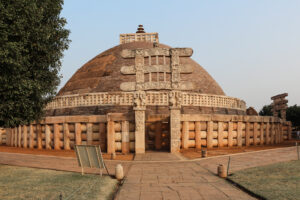
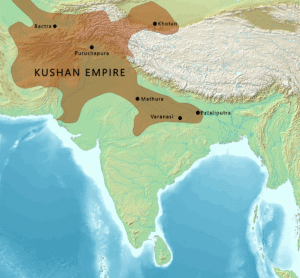
The remains are associated with the Kushan Empire, a powerful polity that played a decisive role in shaping Buddhist history.
During the Kushan age:
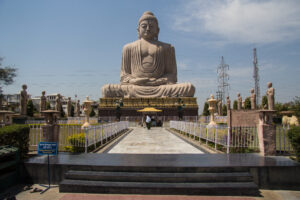
- Buddhism received royal patronage
- Monasteries evolved into centers of learning and debate
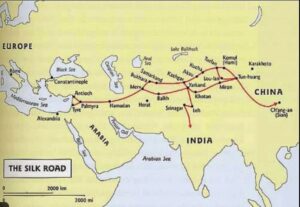
- Trade routes helped spread Buddhist ideas to Central Asia and China
Kashmir, located strategically along these routes, likely served as a spiritual and intellectual hub.
📜 Why Is This Discovery Important?
. Rewriting Kashmir’s History
Today, Kashmir is rarely associated with Buddhism in popular narratives. These findings restore Buddhism as a core component of Kashmir’s ancient identity.
2. Archaeology Meets Textual History
Chinese pilgrims like Xuanzang described Kashmir as a major Buddhist center. The Baramulla site now provides material evidence supporting those historical accounts.
3. Part of a Larger Buddhist Network
The architecture resembles Gandhara-style Buddhist sites, showing that Kashmir was part of a wider trans-regional Buddhist world.
🧠 Archaeological Insight
“These remains show that Kashmir was not merely influenced by Buddhism — it actively participated in shaping and transmitting Buddhist thought across Asia.”
The discovery highlights how religion, trade, and geography intersected to create thriving cultural landscapes in ancient India.