
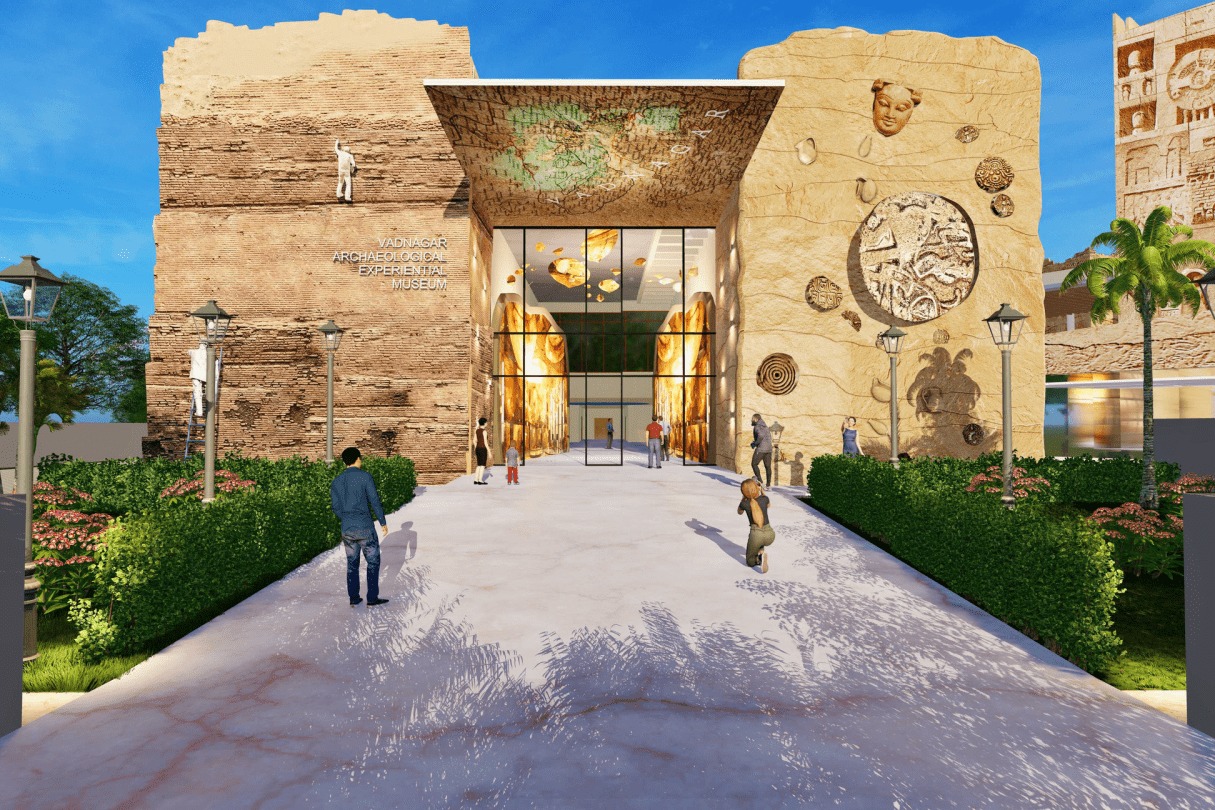
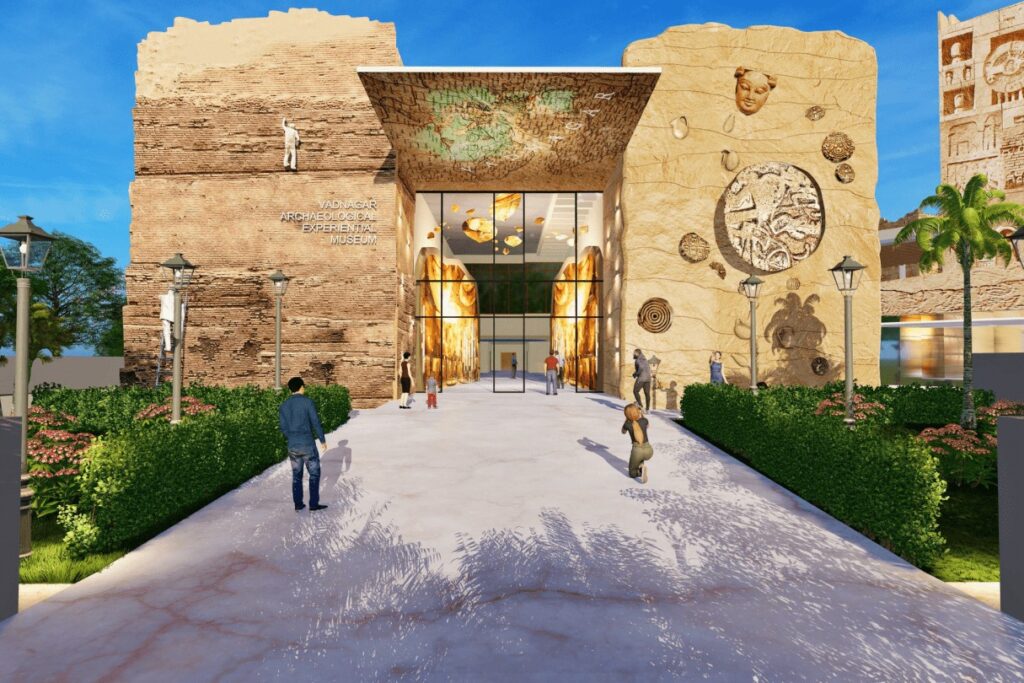
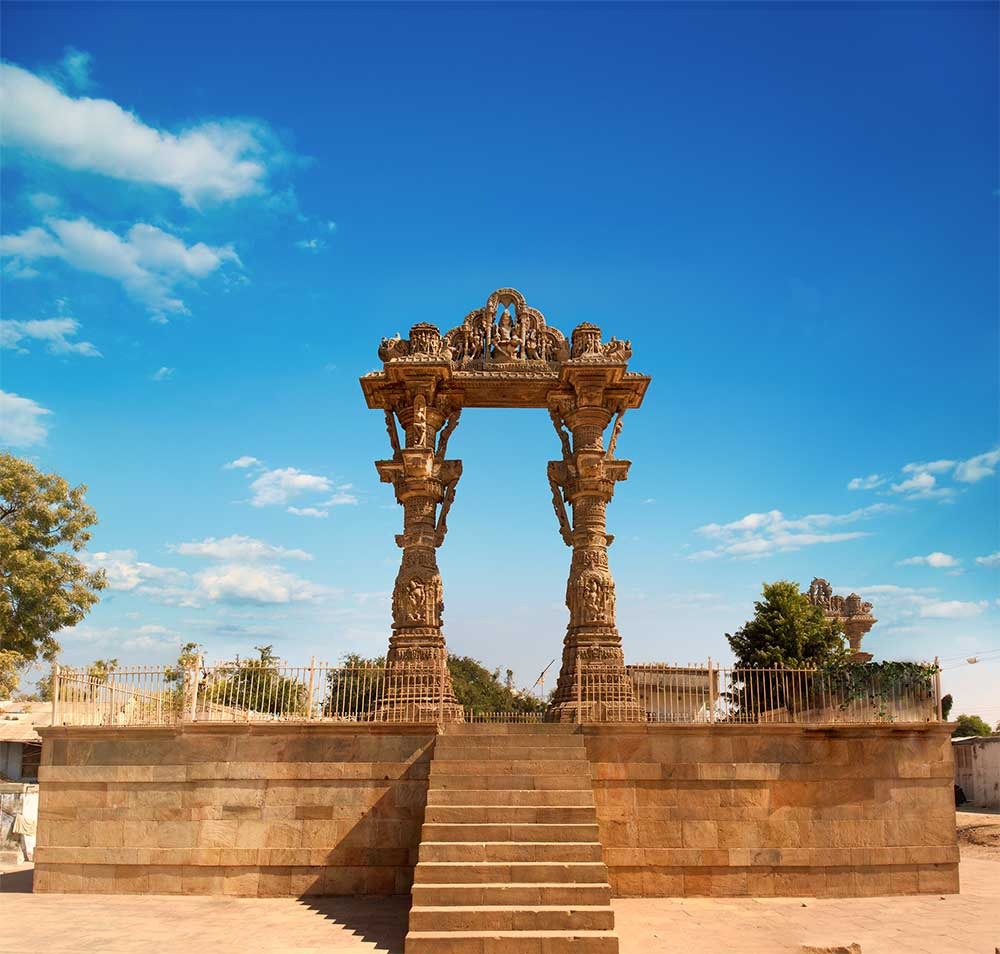
The launch of the Vadnagar Archaeological Experiential Museum marks a significant moment for Indian archaeology and heritage presentation. Located in one of Gujarat’s most historically layered towns, the museum brings together archaeological discoveries that demonstrate continuous human habitation spanning more than two and a half millennia.
Unlike conventional museums that rely solely on static displays, the Vadnagar museum adopts an experiential and interpretative approach, allowing visitors to understand how archaeology reconstructs ancient urban life, economy, and cultural exchange.
Vadnagar: A Town with Unbroken Cultural Continuity
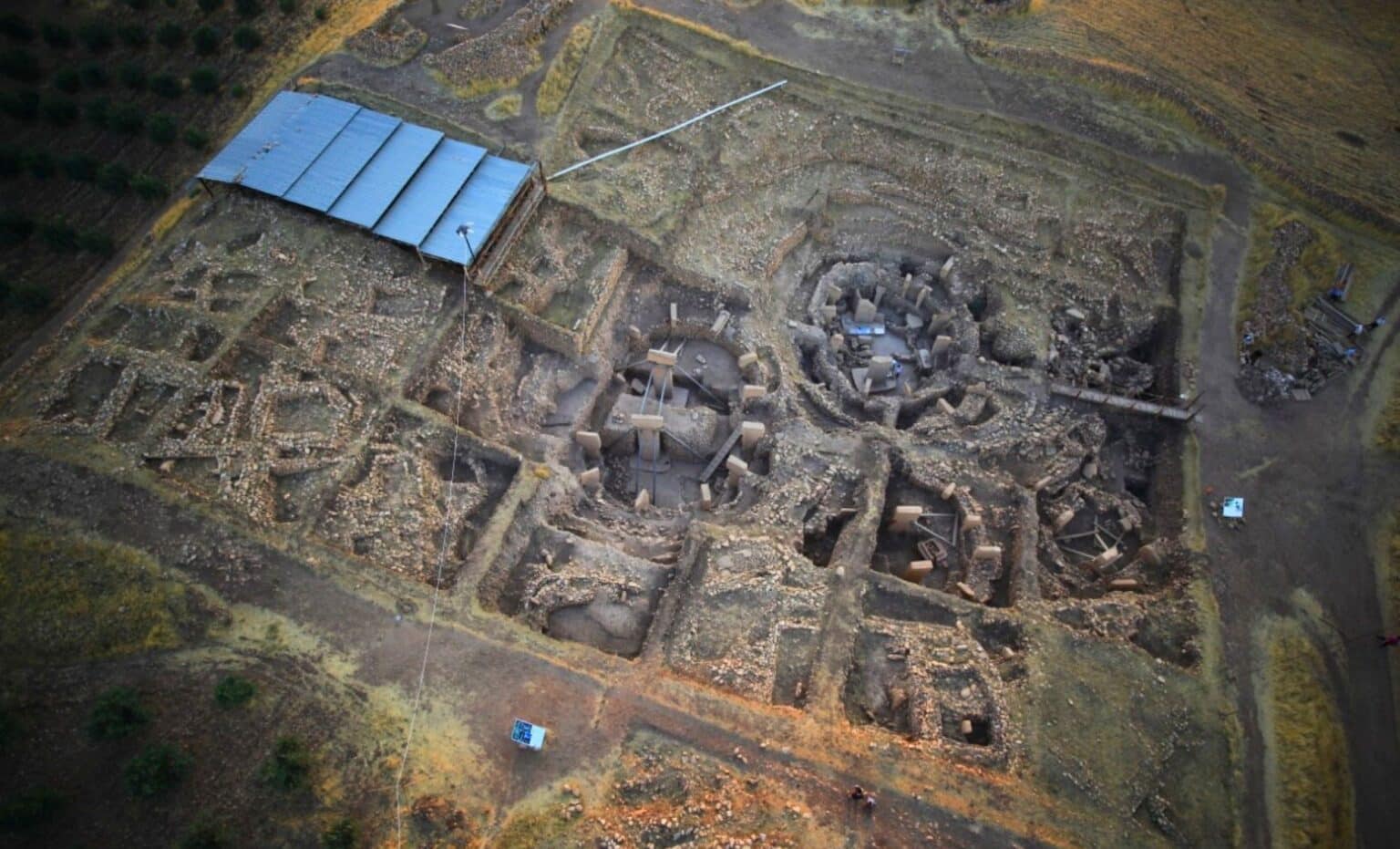
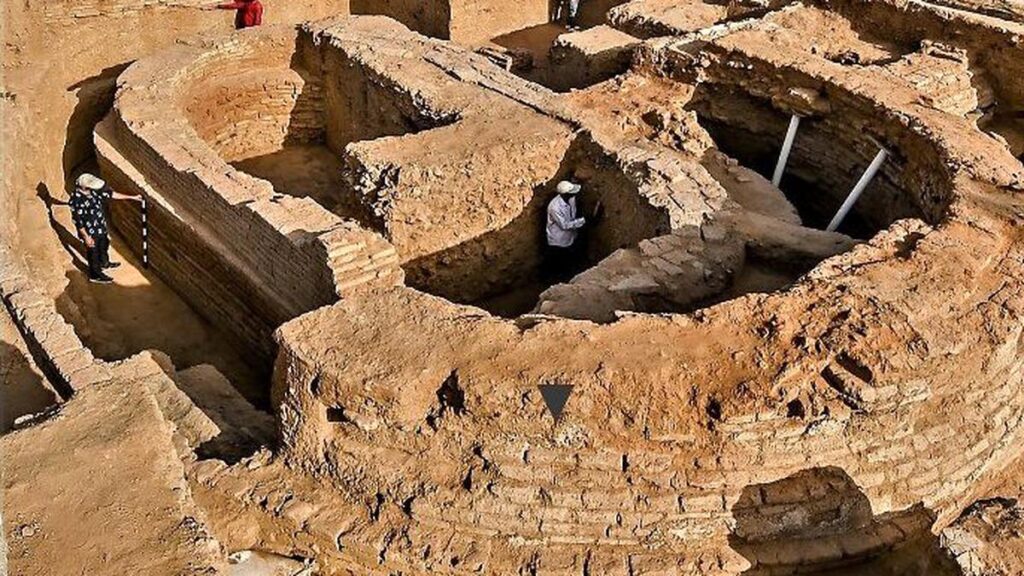
Vadnagar is not just another archaeological site—it is a rare example of long-term urban continuity. Excavations conducted over the years have revealed multiple habitation layers, showing how the town evolved without major occupational breaks.
Archaeological evidence indicates:
- Planned settlement patterns
- Robust fortification systems
- Advanced water management
- Continuous reuse and rebuilding of structures across centuries
Such continuity makes Vadnagar crucial for understanding early urbanism in western India.
What the Museum Showcases
🏺Stratified Archaeological Evidence
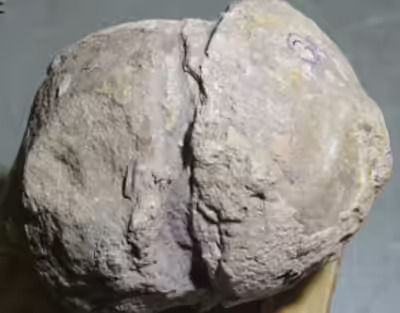
The museum displays artefacts recovered from controlled excavations, carefully arranged according to their stratigraphic layers. These include:
- Pottery assemblages from different historical phases
- Coins and seals pointing to economic activity
- Structural remains reflecting changing architectural styles
🏙️ Insights into Ancient Urban Life
One of the museum’s strengths lies in its focus on everyday life. Instead of highlighting only elite objects, the galleries emphasize:
- Domestic spaces
- Craft production
- Trade and commerce
- Community planning
Through these exhibits, visitors can visualize Vadnagar as a living town rather than a ruined site.
🌐Trade and Cultural Exchange
Artefacts and interpretive panels illustrate Vadnagar’s role within wider regional and transregional networks. Coins, ceramics, and material culture suggest connections with other parts of the Indian subcontinent and beyond, highlighting the town’s importance in cultural exchange.
Experiential Design: A New Way to Present Archaeology
The Vadnagar museum represents a shift from traditional display methods to experience-based public archaeology:
- Digital reconstructions recreate ancient streets and structures
- Interactive displays explain excavation techniques
- Visual storytelling bridges the gap between academic research and public understanding
This approach makes archaeological knowledge accessible without diluting its scholarly integrity.
Experiential Design: A New Way to Present Archaeology
The Vadnagar museum represents a shift from traditional display methods to experience-based public archaeology:
- Digital reconstructions recreate ancient streets and structures
- Interactive displays explain excavation techniques
- Visual storytelling bridges the gap between academic research and public understanding
This approach makes archaeological knowledge accessible without diluting its scholarly integrity.
Why the Vadnagar Museum Matters
📚 Academic Significance
For students and researchers, the museum serves as a visual companion to excavation reports, demonstrating how data from trenches translates into historical narratives.
🏛️ Public Engagement
By making archaeology engaging and understandable, the museum encourages wider public interest in India’s deep past—an essential step for long-term heritage conservation.
🌍 Cultural Heritage and Identity
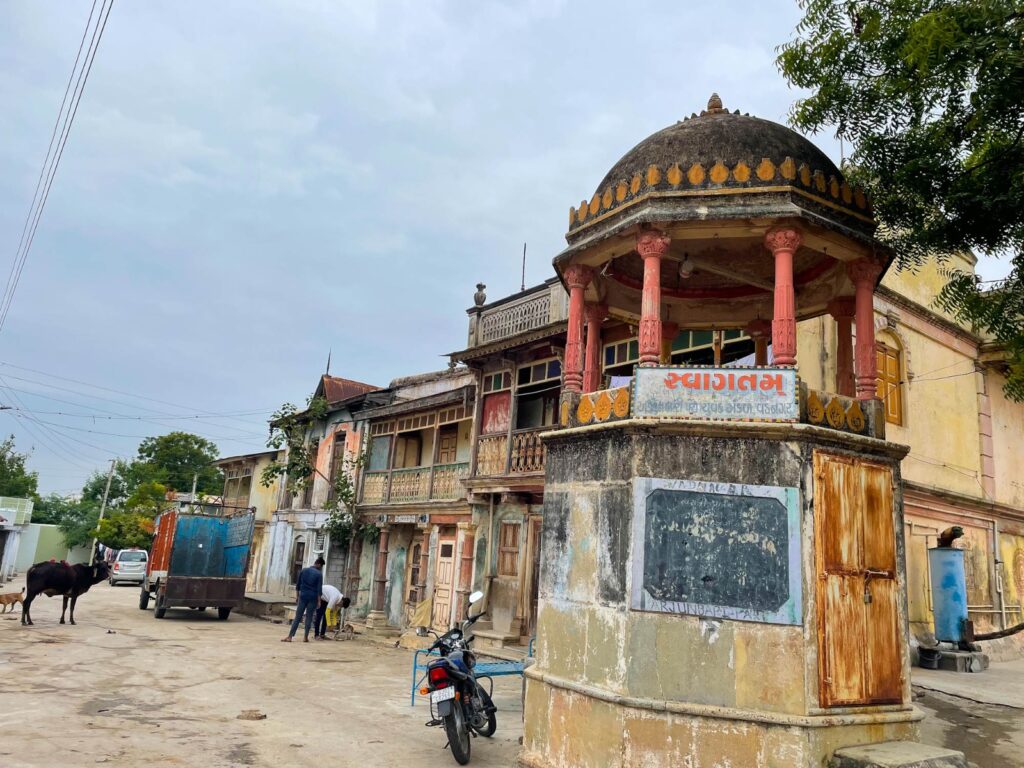
The museum reinforces how archaeology contributes to cultural identity, showing continuity rather than rupture in India’s historical landscape.
Conclusion
The Vadnagar Archaeological Experiential Museum stands as a model for future archaeological museums in India. By combining scientific excavation data with immersive storytelling, it demonstrates how the past can be responsibly interpreted and meaningfully shared with the public.
Vadnagar’s story—told through layers of soil, artefacts, and architecture—reminds us that Indian towns are not frozen relics, but evolving spaces shaped by centuries of human activity.