
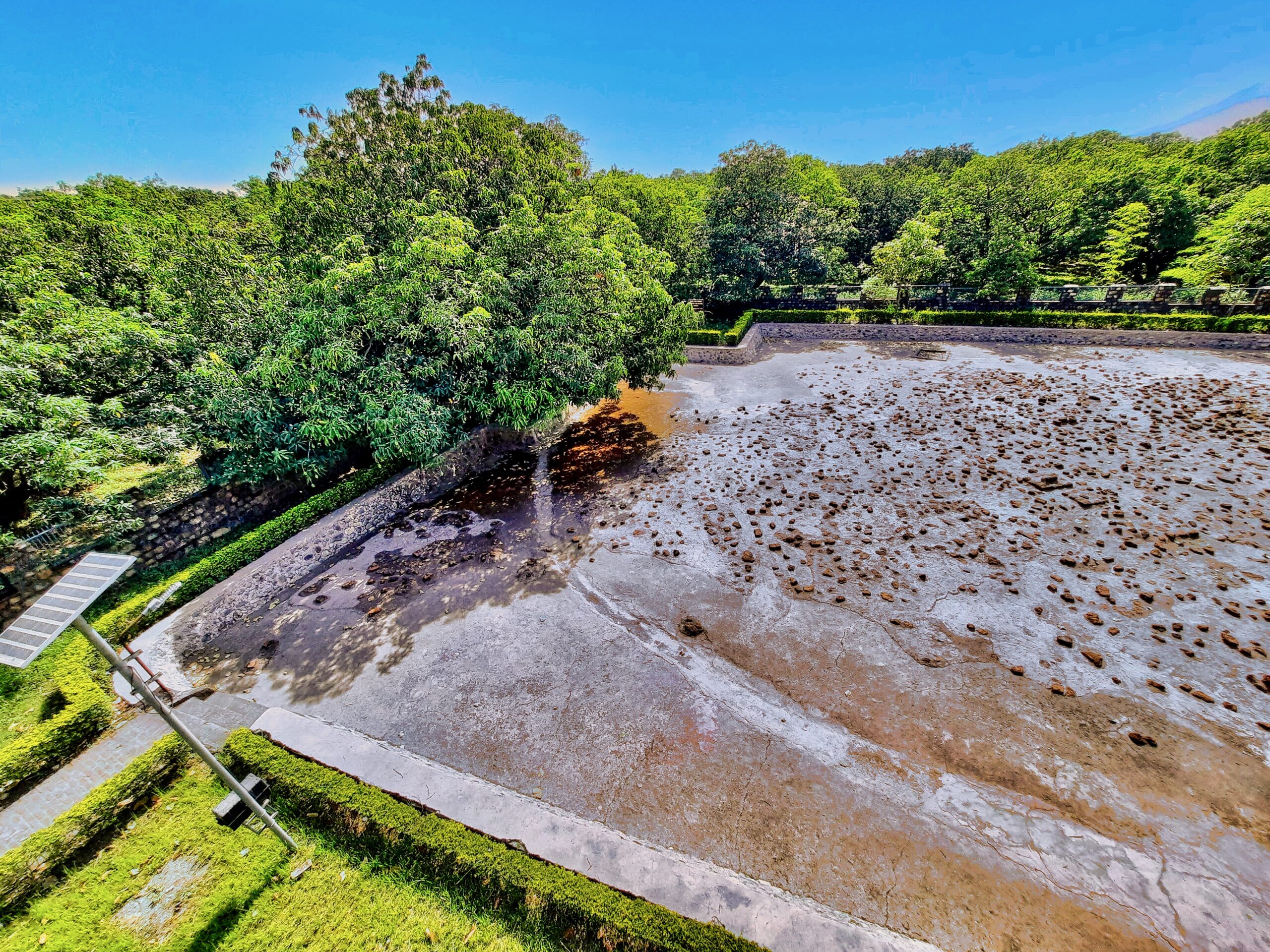
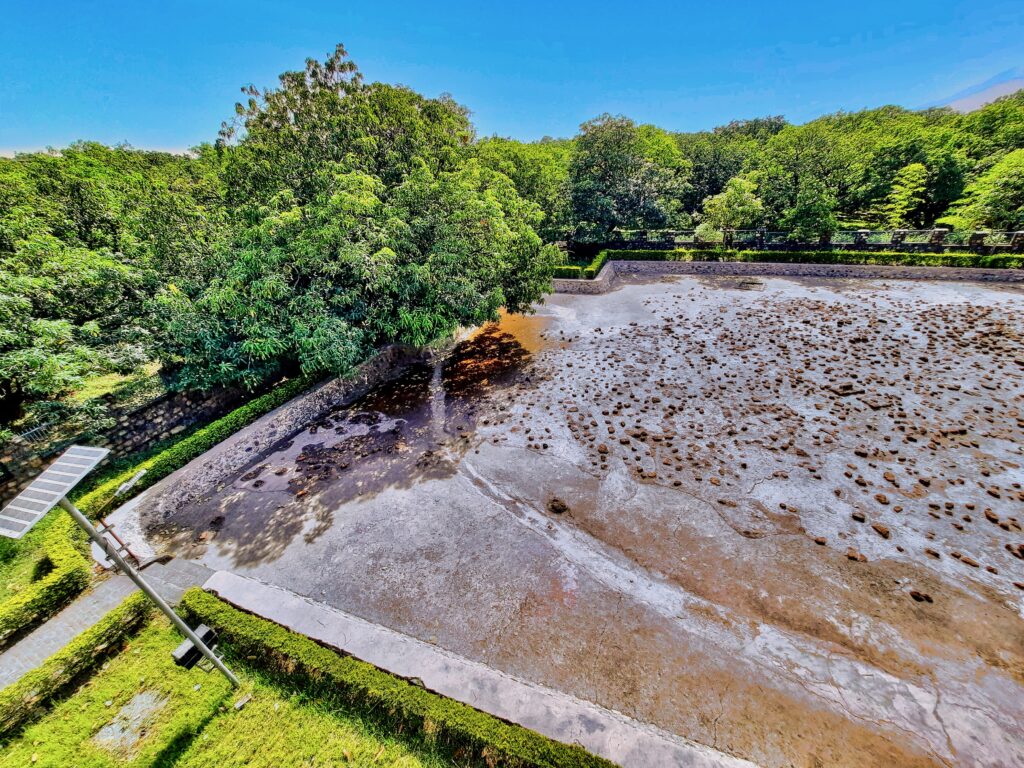
After lying silent for nearly seven decades, a rare ritual landscape linked to one of ancient India’s most powerful royal ceremonies is being excavated again. Near Dehradun, the Archaeological Survey of India has resumed work at a 3rd-century Ashvamedha Yajna site—one of the few such locations ever identified through archaeology.
This renewed excavation is expected to significantly enhance our understanding of Vedic ritual practice, political authority, and early state formation in the Himalayan foothill region.
The Jagatgram Ashvamedha Site: A Rare Archaeological Context
Ashvamedha Yajna sites are extremely rare in the archaeological record. While the ritual is well described in Vedic and later Sanskrit texts, material evidence of its performance is scarcely documented. Jagatgram stands out as one of the few sites in India where physical remains of an Ashvamedha ritual complex have been identified.
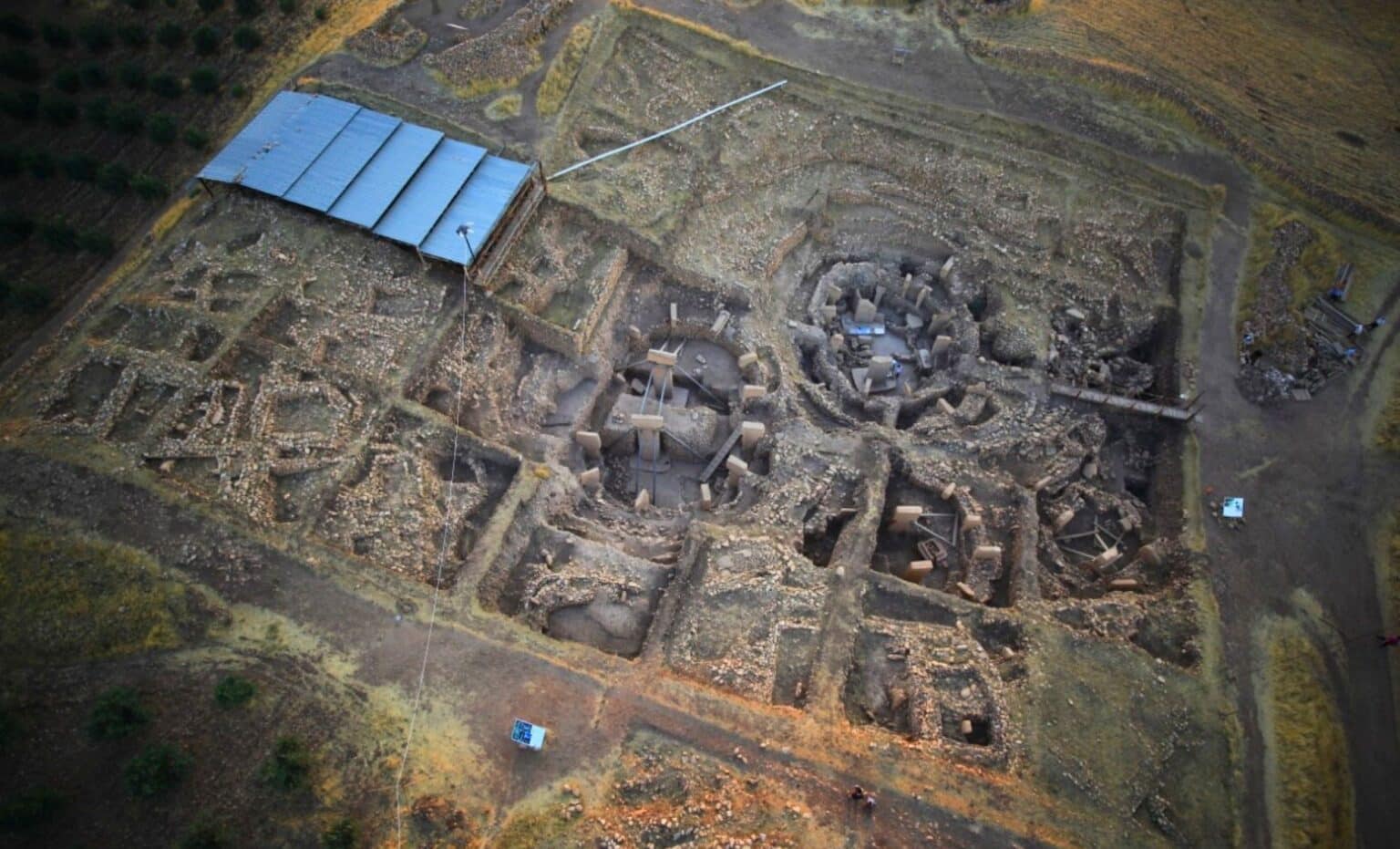
Earlier excavations conducted in the mid-20th century revealed three fire altars (yajna kundas) laid out according to prescribed ritual geometry. The current ASI excavation aims to locate a missing fourth altar, which textual and spatial clues suggest should exist within the complex.
Objectives of the Renewed ASI Excavation
The present phase of excavation focuses on:
- Locating the fourth fire altar linked to the Ashvamedha ritual
- Reassessing earlier excavation data using modern archaeological methods
- Conducting scientific dating and material analysis to refine the site’s chronology
Advanced stratigraphic recording and laboratory studies are expected to provide clearer insights into the sequence and duration of ritual activity at the site.
Archaeological Evidence Unearthed So Far
Initial findings from the resumed dig include:
- Burnt charcoal and ash deposits, indicating sustained ritual fires
- Pottery fragments consistent with the early historic period
- Structural remains aligned with Vedic altar construction principles
These discoveries reinforce the interpretation of Jagatgram as a formal, state-sponsored ritual landscape, rather than a domestic or localized religious site.
Ashvamedha Yajna: Ritual, Power, and Kingship
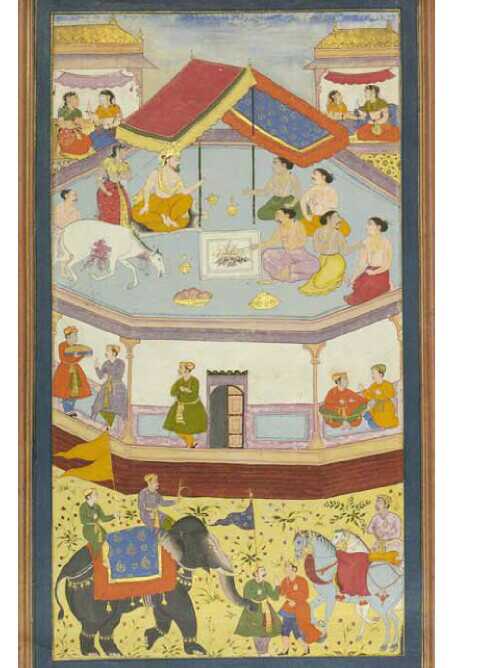
The Ashvamedha Yajna was not merely a religious ceremony—it was a political instrument of sovereignty. Performed by powerful kings, the ritual symbolized:
- Supreme royal authority
- Territorial legitimacy
- Control over subordinate rulers
By excavating an Ashvamedha site, archaeologists gain rare material evidence of how ritual ideology and political power intersected in early historic India.
Why Jagatgram Matters to Indian Archaeology
The Jagatgram excavation holds particular importance because:
- It provides scientific context to textual traditions
- It sheds light on elite ritual practices in northern India
- It contributes to understanding polity formation in the Dehradun region, an area still underrepresented in early historic archaeology
If the fourth fire altar is confirmed, Jagatgram could become a type-site for Ashvamedha archaeology in South Asia.
Conclusion
The resumption of excavations at Jagatgram marks a crucial moment for Indian archaeology. By combining textual scholarship with material evidence, the ASI’s work at this Ashvamedha Yajna site offers a rare opportunity to reconstruct the ritual, political, and cultural landscape of ancient India with scientific precision.
As analysis continues, the site promises to deepen our understanding of how ritual performance shaped kingship and state power nearly two millennia ago