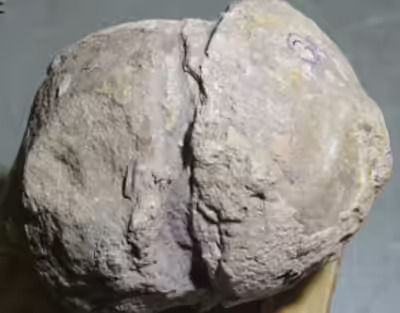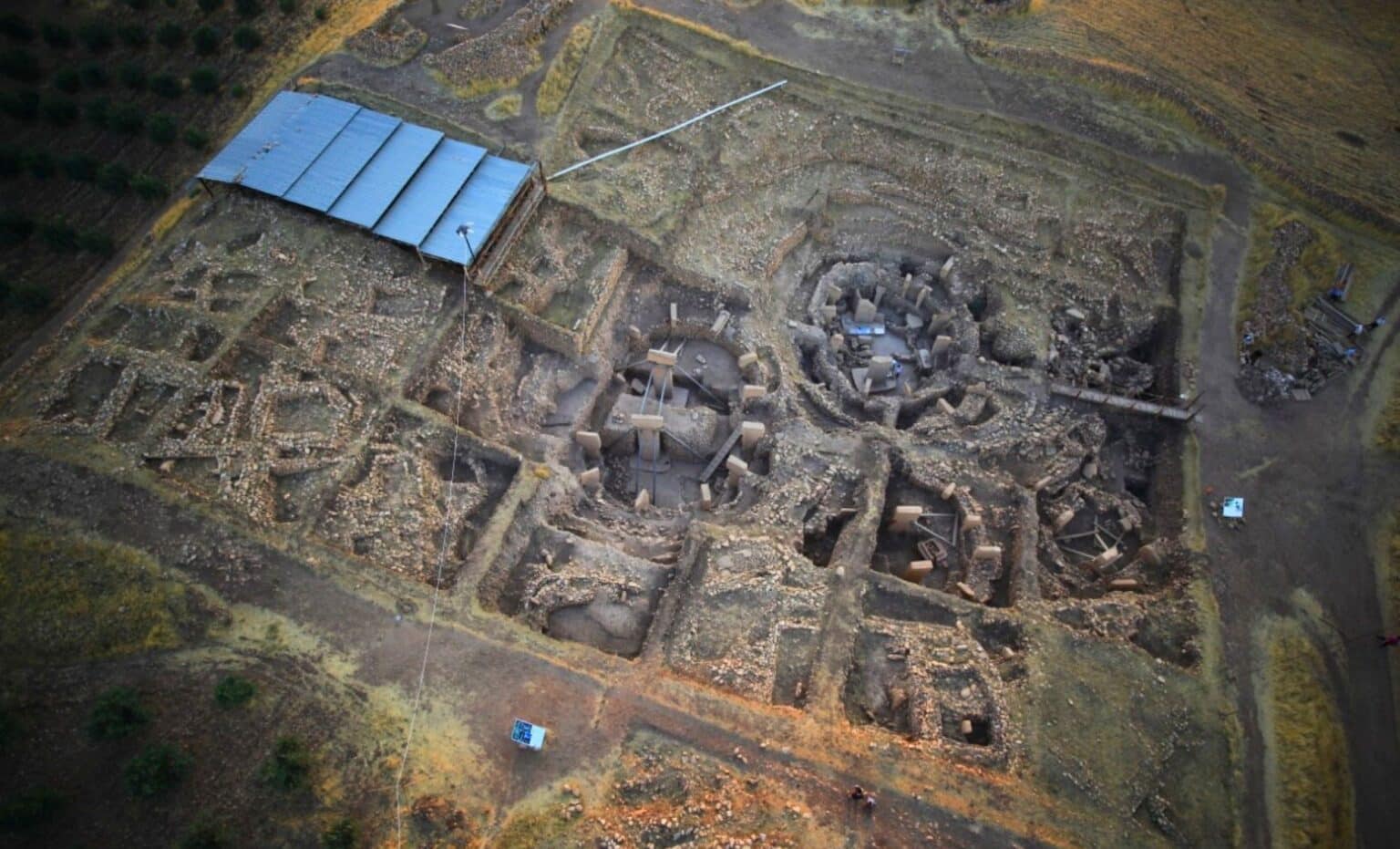

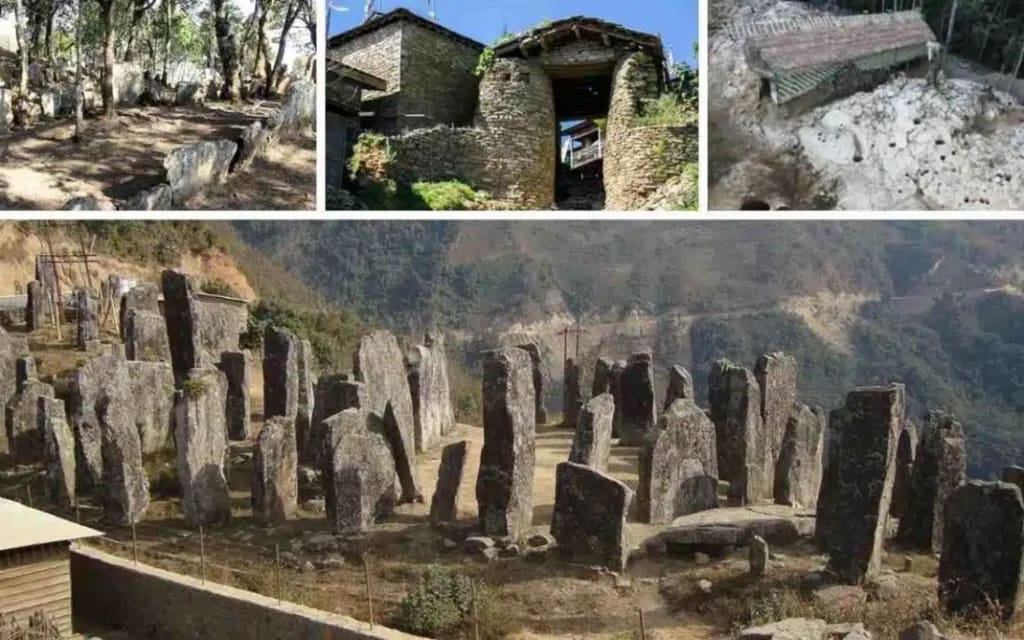
One of the most significant recent developments comes from Daojali Hading, a well-known archaeological site located in the Kopili valley of Assam. Archaeologists conducting surface surveys have documented iron slag found in association with polished stone tools, a rare and important combination.
What Makes Daojali Hading Important?
- Presence of iron smelting waste (slag)
- Coexistence with Neolithic polished stone tools
- Suggests a transitional phase between stone and metal technologies
This evidence indicates that communities in Northeast India may have begun experimenting with iron earlier than previously believed, possibly independent of or parallel to developments in the Gangetic plains.
Clues of Long-Distance Interaction
Daojali Hading has long been associated with cultural links to East and Southeast Asia, especially due to similarities in tool typology. The new iron evidence strengthens the hypothesis that Northeast India acted as a corridor of technological exchange, potentially connecting the Indian subcontinent with ancient China and beyond.
🗿 Megalithic Menhirs of Mizoram Declared National Monuments
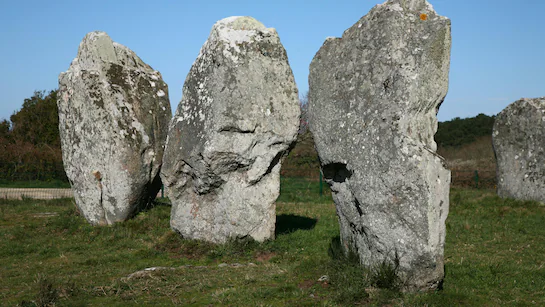
In another major development, carved megalithic menhirs from Mizoram have been officially declared Monuments of National Importance. These towering stones, often erected in memory of ancestors or community leaders, are deeply embedded in local traditions.
Features of Mizoram’s Megaliths
- Upright stone slabs (menhirs)
- Carved with iconic motifs and symbolic imagery
- Linked to pre-Christian and early historic Mizo culture
Unlike megalithic traditions of peninsular India, Mizoram’s monuments reflect a distinct hill-based cultural expression, emphasizing clan memory, feasting traditions, and social prestige.
Cultural Significance
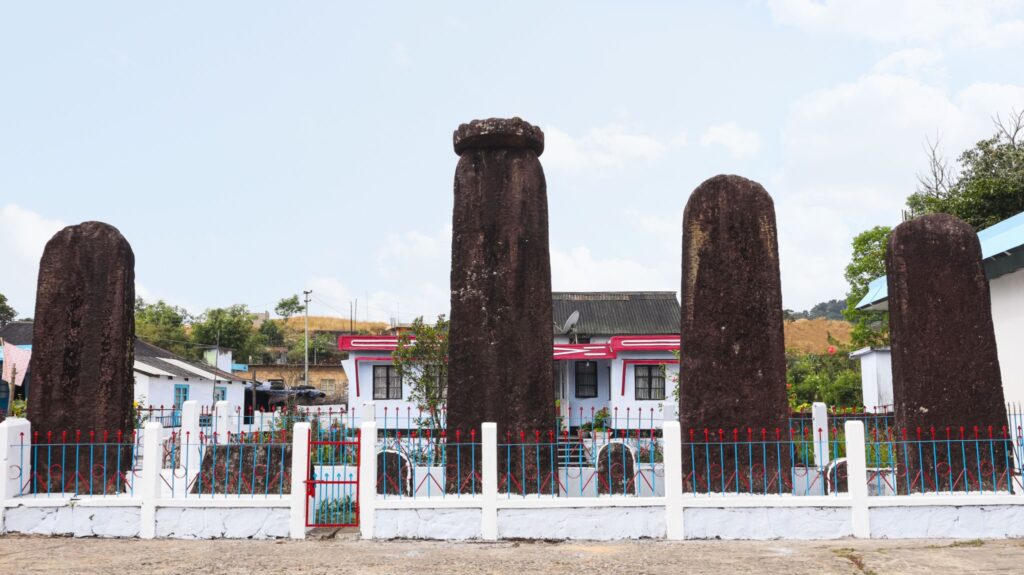
These structures are not merely archaeological remains—they are living heritage markers that continue to shape
regional identity. Their recognition at the national level marks a crucial step toward preservation and scholarly attention.
🧭 Understanding India’s Regional Archaeological Diversity
Taken together, the discoveries in Assam and Mizoram challenge older, linear models of Indian history. Instead, they reveal:
- Multiple centers of innovation
- Overlapping technological phases
- Region-specific monumental traditions
From early iron experimentation in the Brahmaputra valley to symbolic stone architecture in the eastern hills, India’s past emerges as a mosaic of interconnected yet distinct cultural zones.
🏺 Why These Discoveries Matter Today
- They expand the geographical scope of the Indian Iron Age
- Highlight the importance of Northeast India in ancient history
- Support community-based heritage recognition
- Encourage further archaeological exploration beyond well-studied regions
As systematic surveys and excavations continue, such findings promise to refine how we understand India’s deep past—not as a single story, but as many regional narratives woven together.