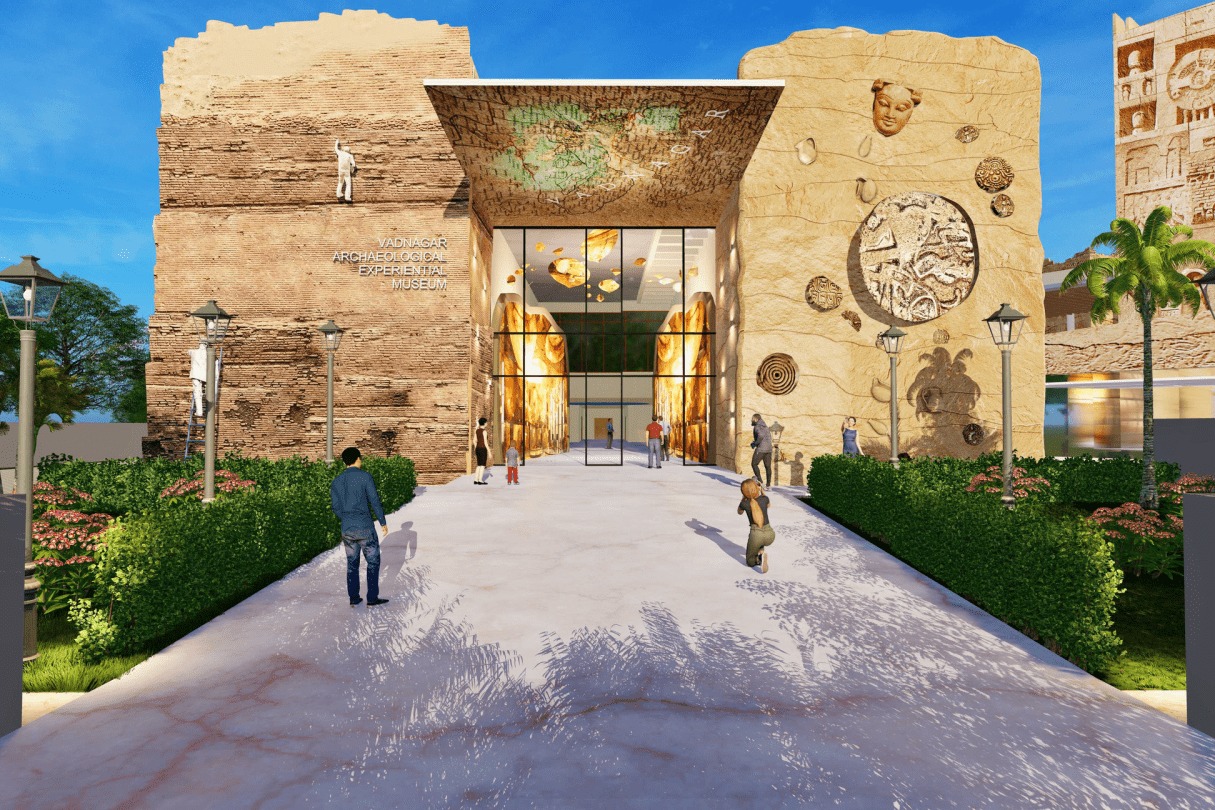

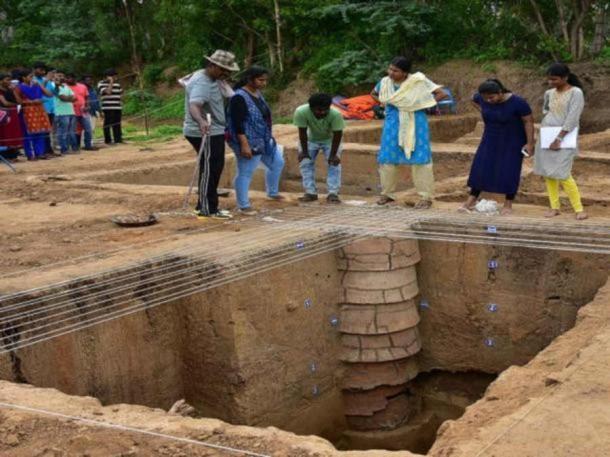
Recent excavations in Tamil Nadu have uncovered a Sangam-era ring well along with associated pottery, beads, and coins, shedding new light on urban life in early historic South India.
These discoveries highlight the presence of organized settlement systems and advanced water management practices during the Sangam period.
What Is a Ring Well?
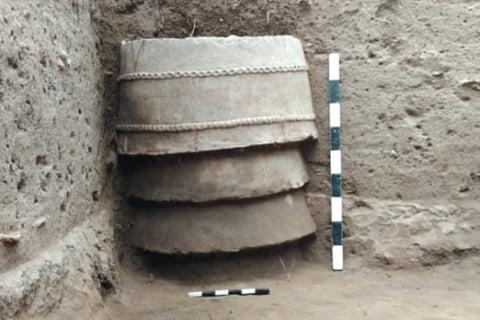
Ring wells are underground structures made of stacked terracotta rings.
Archaeologists associate them with:
- Water storage and access
- Drainage and sanitation systems
- Dense urban settlements
Such wells are commonly found in early historic urban sites across South India.
Artefacts Found at the Site
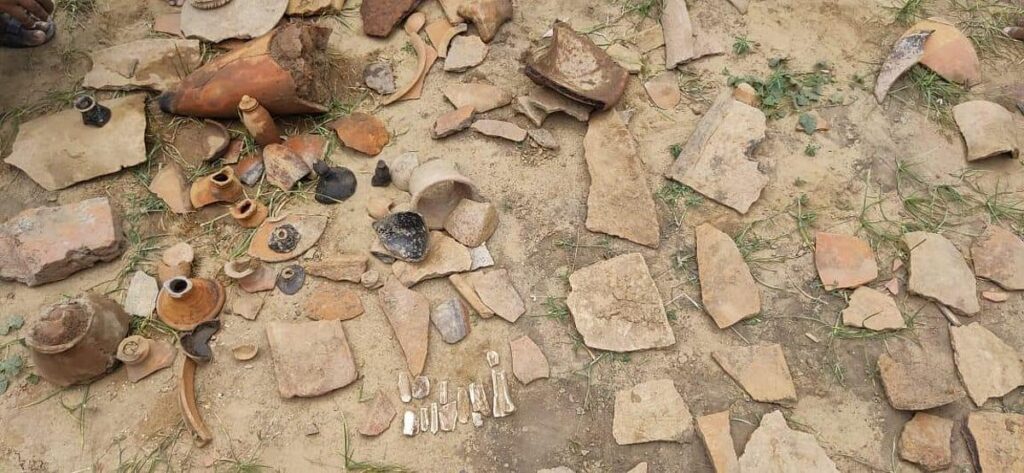
Excavations around the ring well have uncovered:
- Pottery fragments, indicating domestic activity
- Beads, suggesting craft production and trade
- Coins, pointing to economic exchange and organized commerce
These finds collectively indicate a well-developed urban settlement.
Urban Planning in the Sangam Age
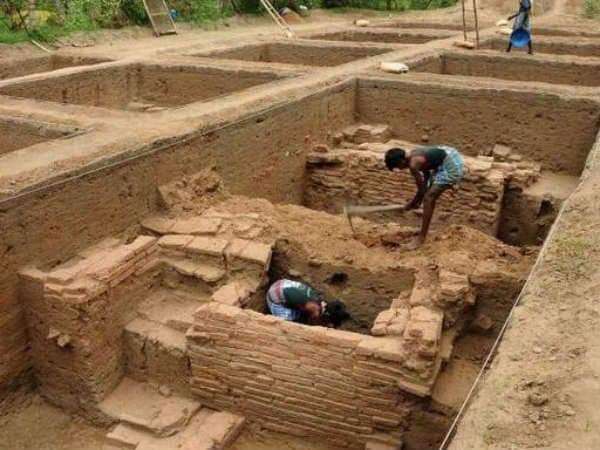
The discovery is significant because ring wells are linked to:
- Planned water management systems
- Organized settlement layouts
- Growing urban populations
This suggests that Sangam-era settlements had forms of urban infrastructure comparable to early cities.
Why This Discovery Matters
These findings help archaeologists understand:
- The development of urban life in early South India
- How ancient communities managed water and sanitation
- Connections between trade, craft activity, and settlement growth
In simple terms, ancient towns in Tamil Nadu were not just clusters of huts—they had organized infrastructure and sophisticated planning.
⚠️ Note: Images used are representative of ring wells and Sangam-era archaeological contexts in South India.