
Recent archaeological investigations in western India have identified protohistoric settlement layers containing evidence of craft activity, including bead-making, pottery production, and tool use.
These discoveries, particularly in regions such as Gujarat and parts of Rajasthan, provide important insights into the rise of specialized crafts and localized economies in ancient India.
Settlement Layers and Habitation Evidence
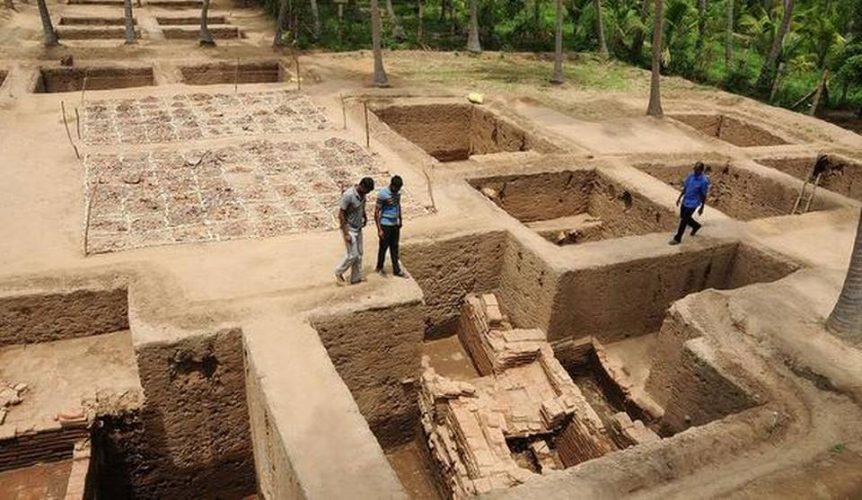
Archaeologists identified distinct habitation layers showing:
- Repeated or continuous human occupation
- Domestic and industrial activity
- Organized use of settlement space
These layers preserve valuable evidence about how early communities lived and worked.
Evidence of Craft Production
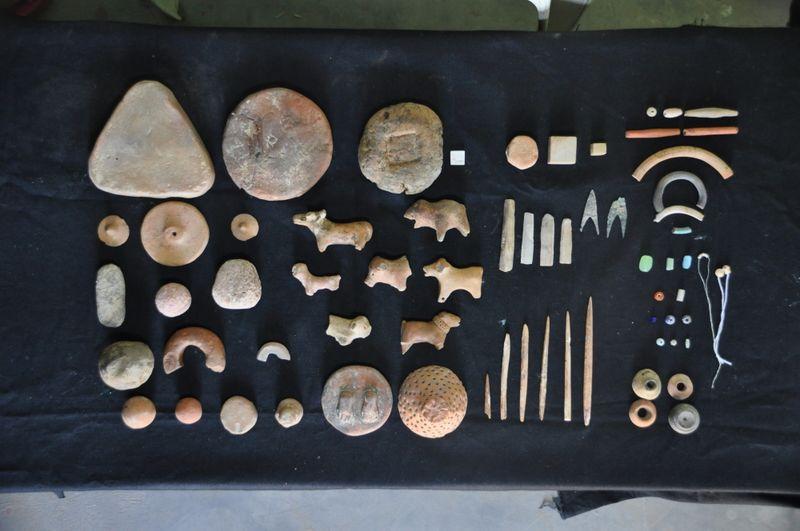
One of the most important aspects of the excavation is the evidence of craft specialization.
Findings include:
- Bead-making debris and finished beads
- Pottery production materials and ceramic fragments
- Stone tools and manufacturing evidence
These remains suggest that settlements were involved in organized production activities, not just everyday survival.
Specialized Skills and Local Economies
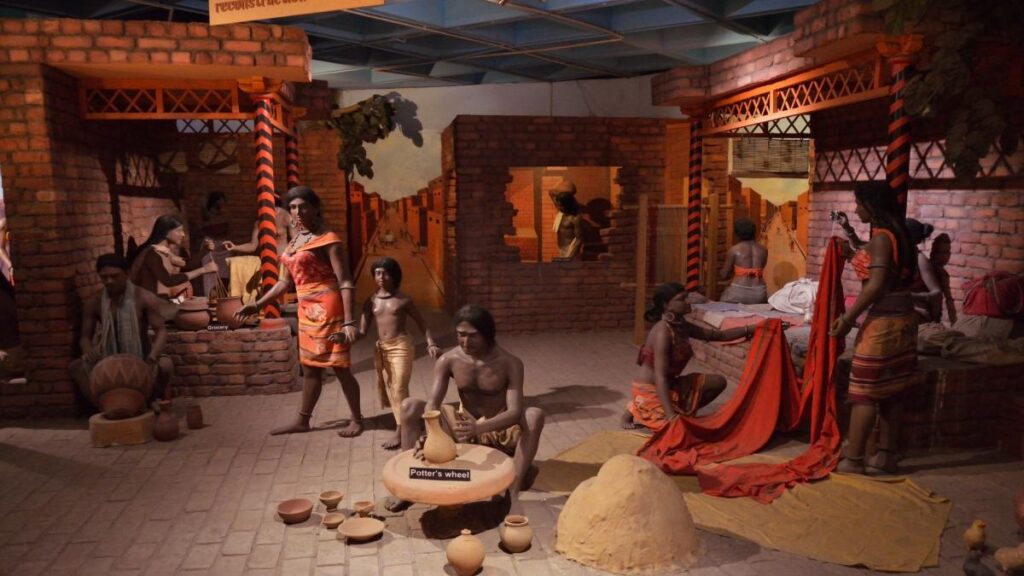
The presence of multiple crafts indicates:
- Division of labor among community members
- Specialized knowledge and skills
- Localized economic systems based on production and exchange
Such developments reflect increasing socio-economic complexity in protohistoric societies.
Why This Discovery Matters
These findings are significant because they help archaeologists understand:
- How early economies developed in India
- The emergence of specialized craft traditions
- The growth of more organized and interconnected societies
In simple terms, these settlements show how communities evolved from basic habitation sites into centers of production, skills, and local trade.
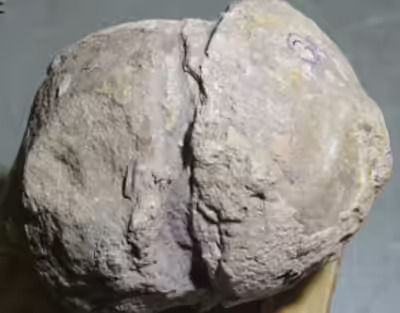
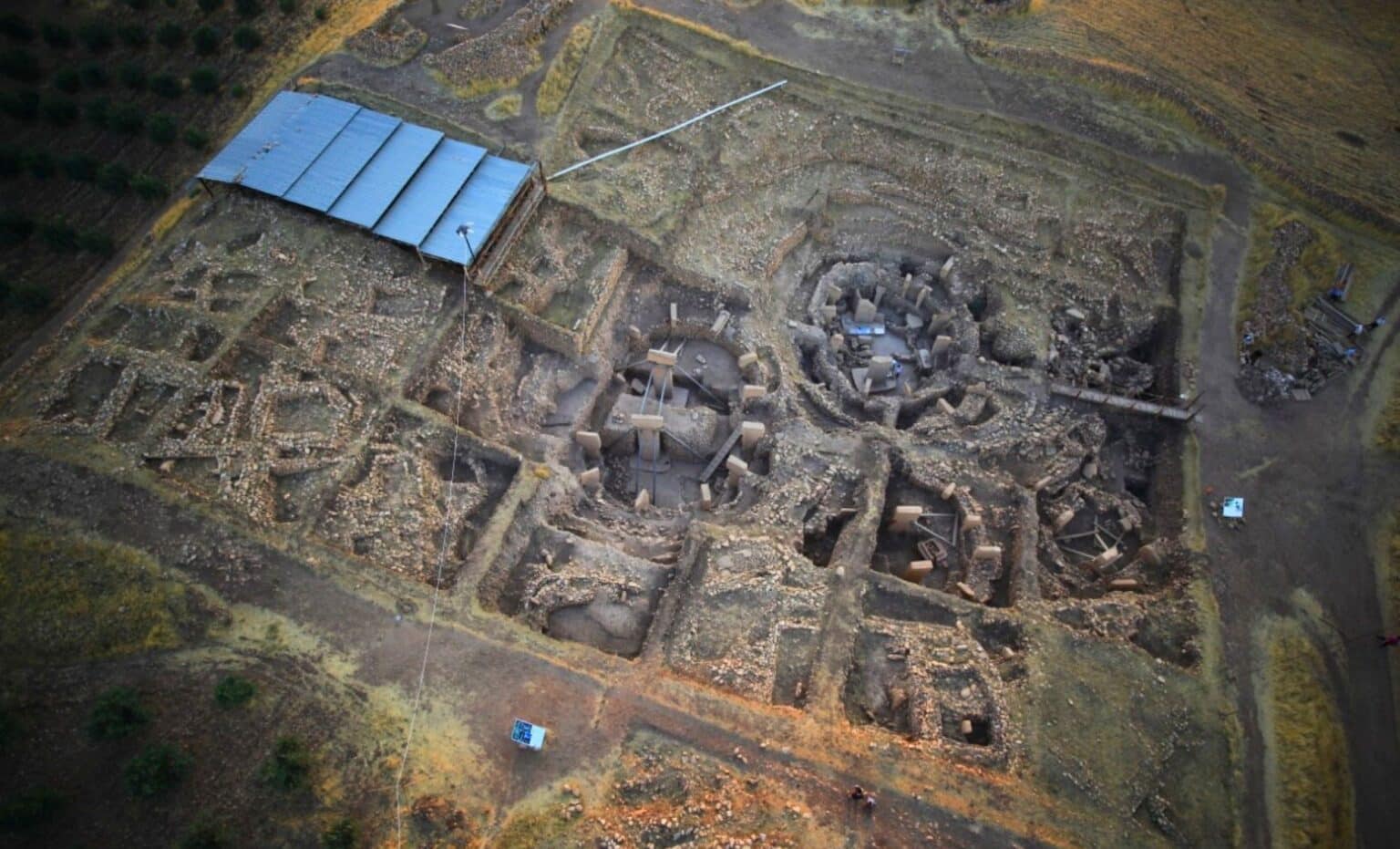
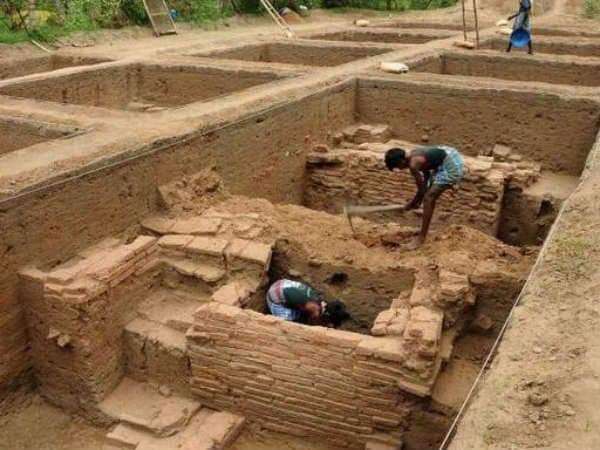
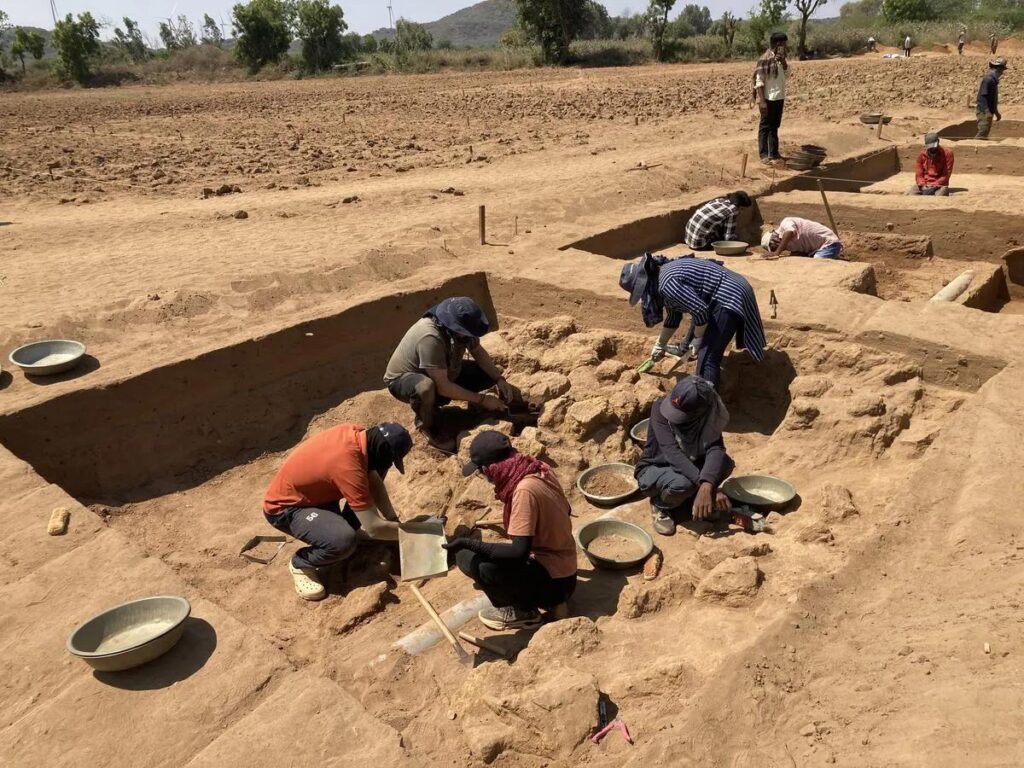
⚠️ Note: Images used are representative of protohistoric settlements and craft-production contexts in western India.