
Dwarka, Gujarat | Archaeological News
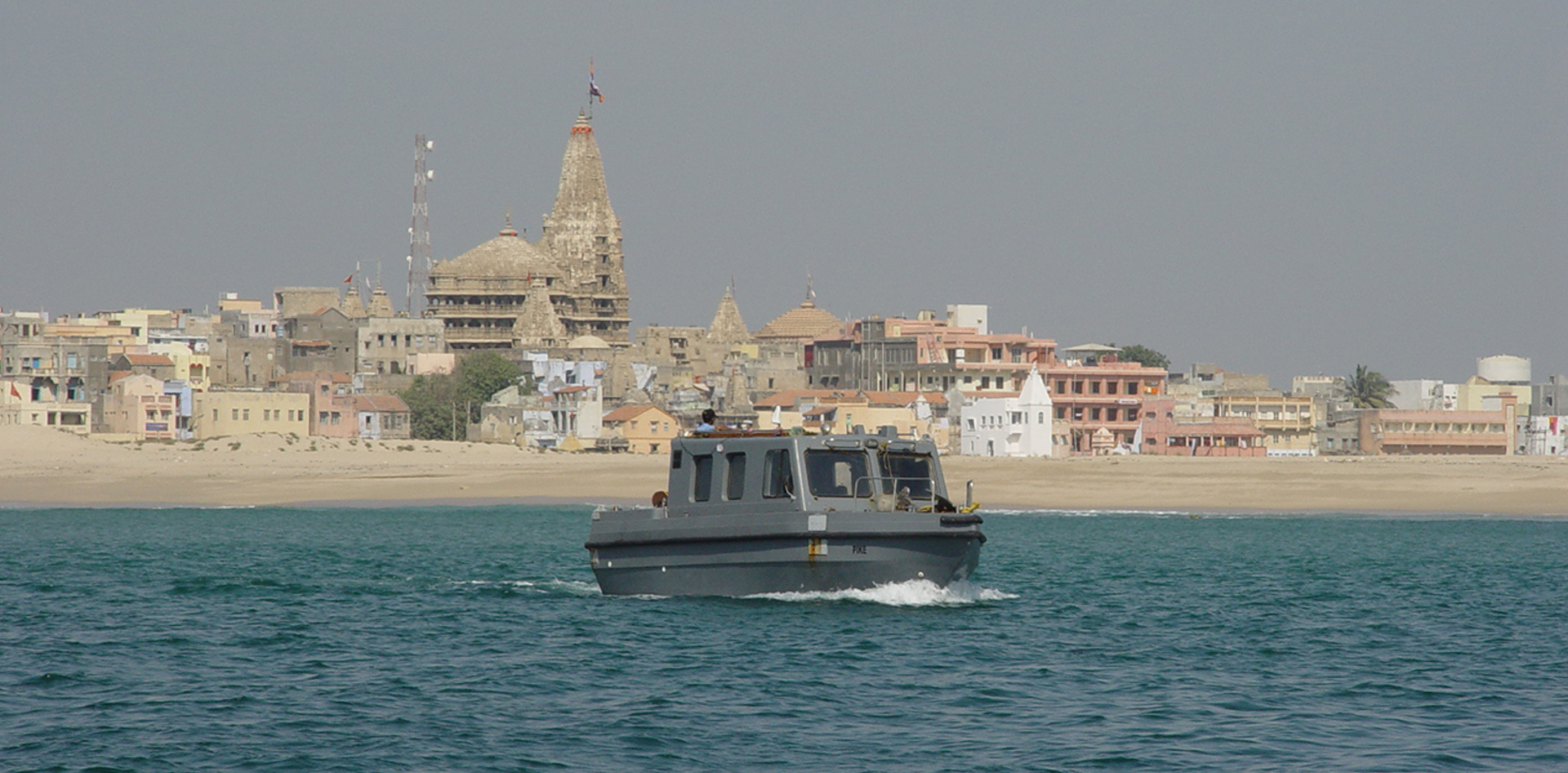
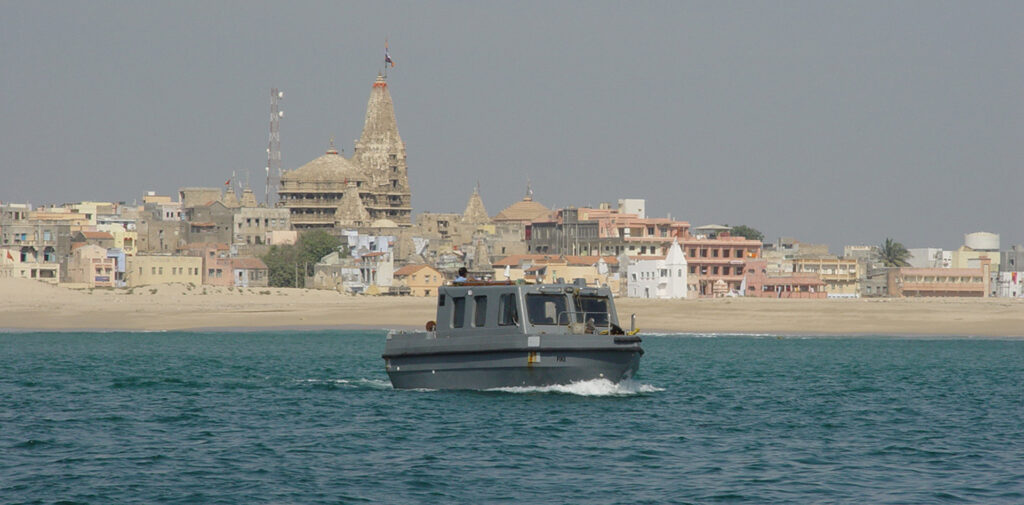
The Archaeological Survey of India (ASI) is set to begin a new and expanded phase of archaeological exploration at Dwarka, one of India’s most historically significant coastal settlements. The upcoming work will include both land-based excavations and underwater archaeological investigations along the Dwarka and Bet Dwarka coastlines.
According to ASI officials, the initiative aims to examine previously unexplored areas using improved archaeological methods and modern documentation techniques. This marks one of the most comprehensive attempts in recent years to study Dwarka as a coastal habitation site, rather than limiting research to selective trenches or isolated underwater surveys.
Focus on Integrated Land and Marine Archaeology

The proposed exploration will combine:
- Systematic land excavations in and around the Dwarka region
- Underwater surveys and documentation in near-shore and shallow marine zones of the Arabian Sea
The work will be carried out by ASI’s Underwater Archaeology Wing (UAW) along with terrestrial excavation teams. Officials have stated that the objective is to build a continuous archaeological profile of Dwarka by correlating material evidence found on land with submerged cultural remains.
Earlier studies along the Dwarka coast had documented stone anchors, architectural fragments, and structural remains exposed during low tide. However, large portions of the coastline and offshore areas remain scientifically unexamined.
Why Dwarka Matters Archaeologically
Dwarka occupies a unique position in Indian archaeology as a long-inhabited coastal town with evidence of:
- Continuous settlement over centuries
- Strategic maritime location on ancient sea routes
- Cultural layers reflecting coastal trade and urban activity
Archaeological work at Dwarka since the 1960s has revealed pottery, structural remains, and artefacts indicating historic occupation periods, independent of literary traditions. ASI officials have emphasized that the renewed excavation is intended to strengthen archaeological understanding based on material evidence, stratigraphy, and scientific dating.
Underwater Archaeology Wing Back in Action
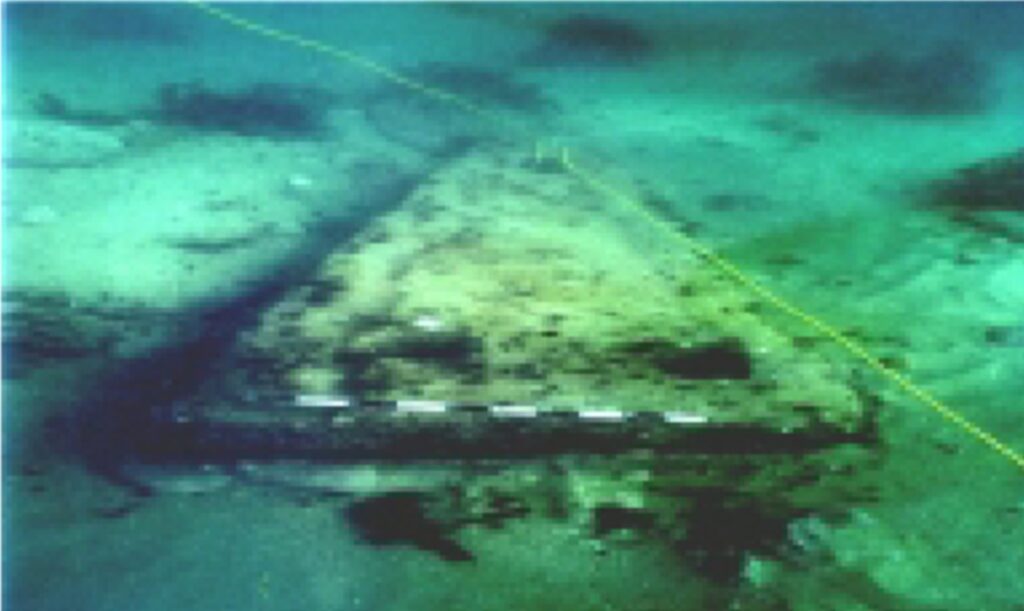
The renewed focus on underwater exploration reflects ASI’s broader push to strengthen maritime archaeology in India. The Underwater Archaeology Wing, which had limited operations in previous decades, has been reactivated with trained personnel and updated equipment.
The Dwarka project is expected to serve as a model case for future underwater archaeological studies along India’s long coastline, where many ancient ports and coastal settlements are believed to lie partially submerged due to sea-level changes and coastal geomorphology.
Scientific Approach and Limitations
ASI has clarified that:
- The excavation will follow standard archaeological protocols
- No conclusions will be drawn without verifiable material evidence
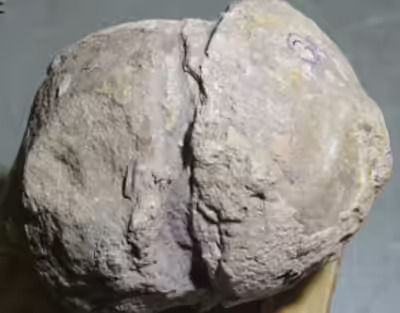
- Natural formations will be carefully distinguished from cultural remains
Underwater archaeology presents specific challenges, including visibility, sediment movement, and conservation of finds. Officials have indicated that documentation and preservation will take priority over recovery wherever possible.
Looking Ahead
The expanded Dwarka excavation represents a significant step toward integrated coastal archaeology in India. By combining land and underwater data, researchers hope to better understand:
- Settlement patterns
- Coastal adaptation
- Maritime activity along India’s western seaboard
Findings from the project will be published through official ASI reports and academic channels once fieldwork and analysis are completed.
For now, the renewed effort signals a serious, methodical attempt to study Dwarka as an archaeological landscape — grounded in evidence, not assumption.