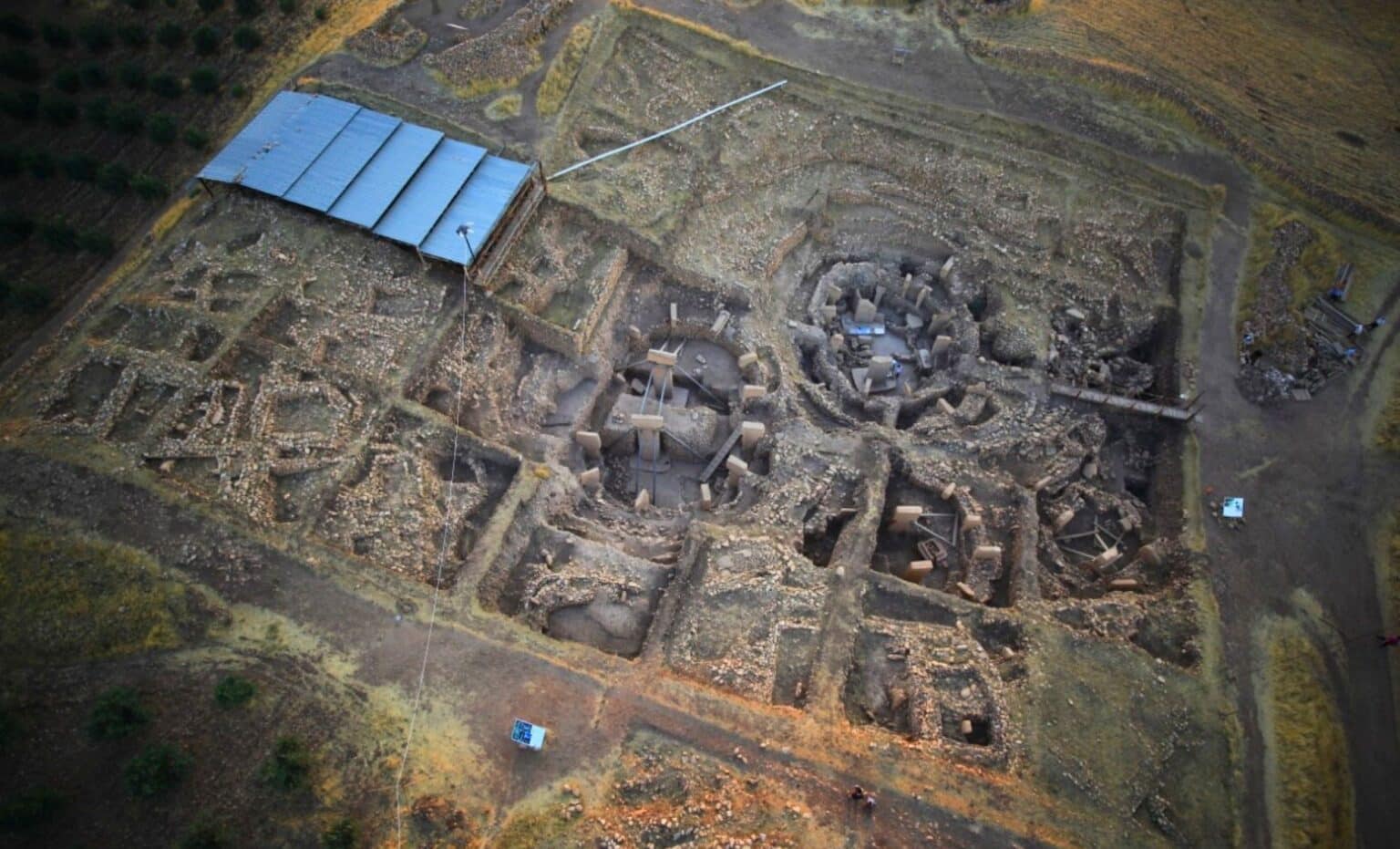

Eastern India’s prehistoric past is gradually stepping into the spotlight. The Archaeological Survey of India (ASI) has initiated a fresh excavation in the Bhimmandali hill range near Redakhol, in Sambalpur district, Odisha. Sparked by the discovery of prehistoric stone tools and rock-cut paintings, the site could date back nearly 10,000 years, making it one of the earliest known human activity zones in eastern India.
Discovery at Bhimmandali Hills
The Bhimmandali hills came to archaeological attention after local explorations and surveys identified:
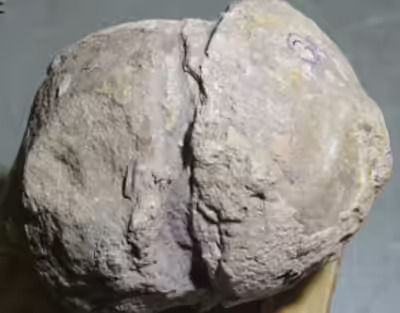
- Stone blades and scrapers
- Fine tools resembling needles
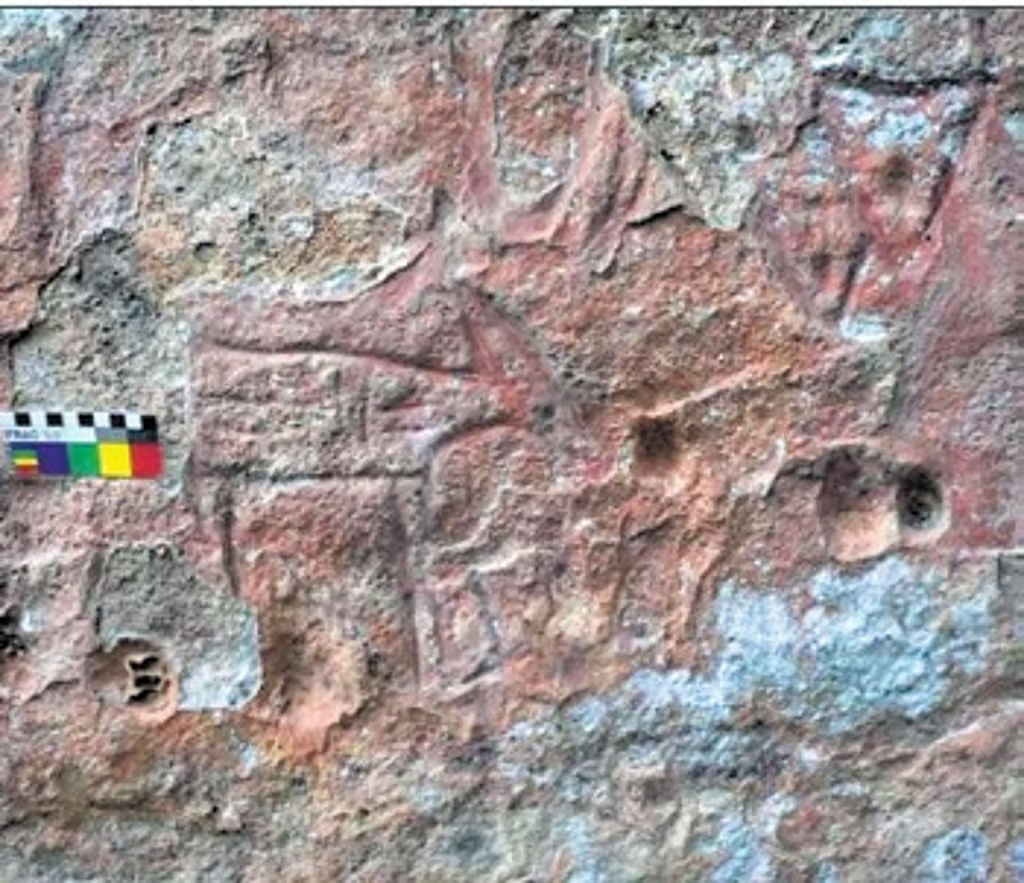
- Rock-cut and painted motifs on hill surfaces
These finds strongly suggest Mesolithic human occupation, a period marked by hunting-gathering communities adapting to diverse landscapes.
What the Tools Reveal
The recovered artefacts indicate:
- Advanced stone-tool technology, including blades for cutting and scrapers for hide processing
- Possible stitching tools, hinting at clothing or hide-working practices
- A community capable of specialized craftsmanship, not merely survival-level tool use
Such technological diversity reflects a sophisticated understanding of materials and environment.
Rock Art and Early Human Expression
The presence of rock art is among the most significant aspects of the Bhimmandali site. Prehistoric paintings and carvings are often linked with:
- Ritualistic or symbolic behavior
- Social communication and memory
- Early expressions of belief systems
This aligns Bhimmandali with other major Indian prehistoric art zones, expanding Odisha’s importance in early cognitive and cultural development.
Why This Site Matters
Most prehistoric sites in India are concentrated in river valleys such as the Narmada or the Vindhyan region. Bhimmandali challenges this narrative by showing that:
- Early humans thrived in hilly, forested landscapes
- Eastern India had independent and early settlement traditions
- Human occupation may have predated or paralleled major river-valley civilizations
If scientific dating confirms the early timeline, Bhimmandali could significantly expand India’s prehistoric map.
ASI’s Next Steps
The ASI excavation will now focus on:
- Stratigraphic digging to identify occupation layers
- Scientific dating techniques to establish chronology
- Environmental studies to reconstruct ancient climate, flora, and fauna
These steps are crucial to placing Bhimmandali accurately within South Asia’s prehistoric framework.
A New Chapter in Eastern India’s Prehistory
The Bhimmandali excavations may soon redefine how archaeologists view early human settlement in Odisha and surrounding regions. Beyond tools and paintings, the site represents a deeper story of adaptation, creativity, and survival long before agriculture or urban life.
If confirmed, Sambalpur could emerge as a key landmark in India’s deep past—one that reminds us that human history flourished far beyond the great river valleys.