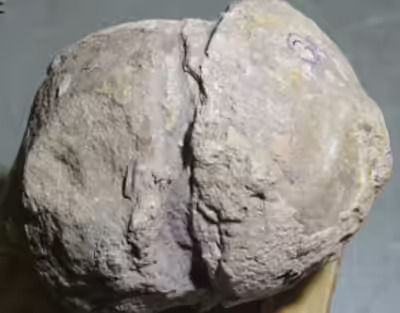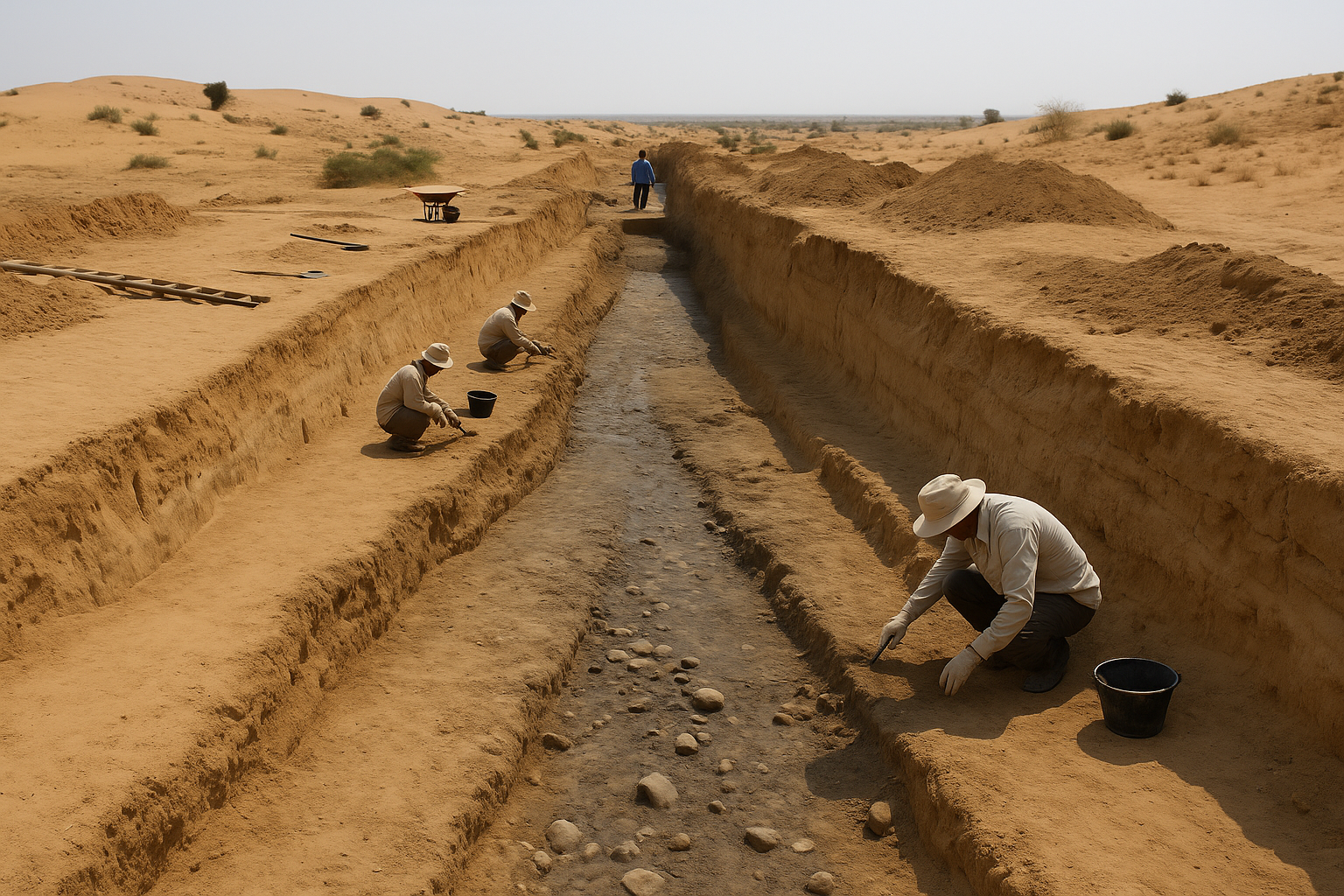

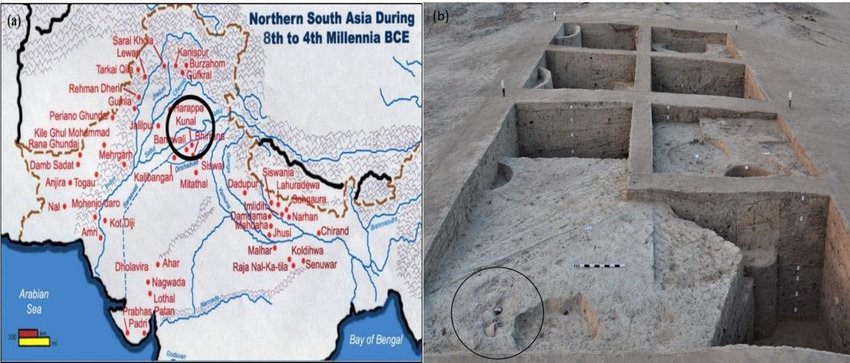
Recent excavations in Haryana have revealed traces of a settlement associated with the late phase of the Indus Valley Civilization. Archaeologists discovered structural remains, pottery fragments, and craft-production debris, indicating the presence of a small but active settlement connected to the Harappan cultural world.
These findings are important for understanding how communities adapted during the later stages of the Indus civilization.
Archaeological Discoveries at the Site
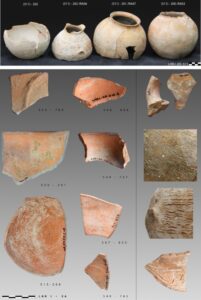
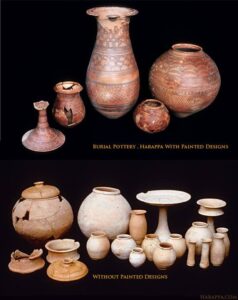
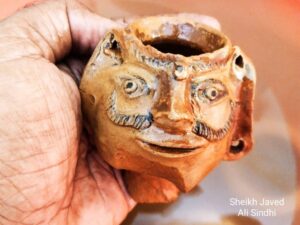
Excavations have revealed several types of archaeological evidence associated with Harappan settlements:
Structural Remains
Researchers identified remnants of ancient habitation structures, suggesting that the site functioned as a semi-urban settlement.
Pottery and Ceramics
Fragments of pottery typical of the Harappan cultural tradition were discovered, indicating local ceramic production and domestic activity.
Craft Production Evidence
Archaeologists also found debris linked to bead-making and craft production, which were important economic activities within Indus settlements.
Understanding the Late Harappan Phase
The discoveries from Haryana provide new insight into the Late Harappan period, sometimes described as the post-urban phase of the Indus civilization.
Earlier interpretations suggested that the civilization simply declined after its urban peak around 1900 BCE. However, recent archaeological research indicates a more complex process.
Many settlements appear to have transformed into smaller regional communities, maintaining craft traditions and adapting to changing environmental and social conditions.
Sites like this help archaeologists understand how Harappan culture continued in new forms even after the decline of large cities such as Harappa and Mohenjo-daro.
Why This Discovery Matters
These new findings from Haryana contribute to a growing body of evidence showing that the Indus civilization did not abruptly disappear. Instead, many communities continued to live in smaller settlements while preserving aspects of Harappan culture.
Such discoveries are essential for reconstructing the transition from large Bronze Age cities to regional rural societies in ancient South Asia.
⚠️ Note: Images used in this article are representative archaeological images related to Indus Valley Civilization excavations and artifacts