
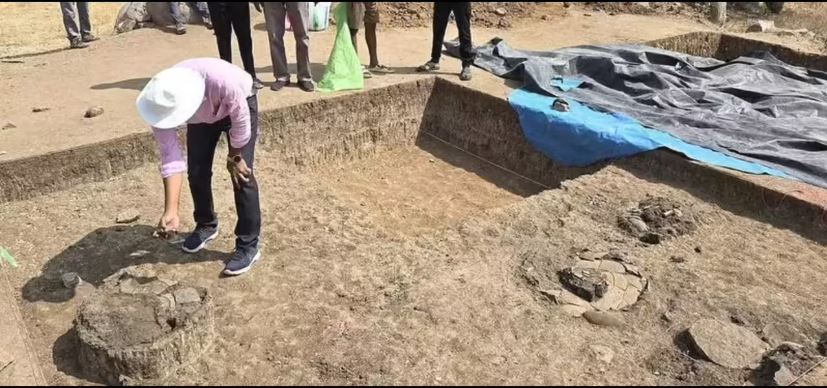
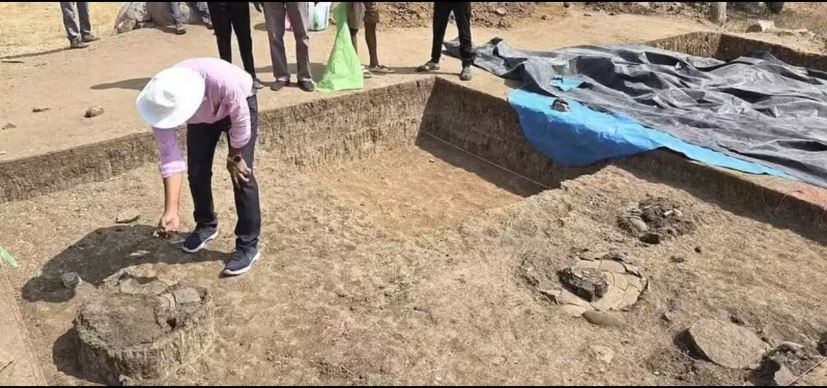
Recent archaeological fieldwork at Tekkalakote Archaeological Site in Karnataka has revealed important prehistoric human burials. Archaeologists have discovered multiple Mesolithic human skeletons from burial pits, providing valuable insights into early human communities in South India.
Tekkalakote has long been recognized as a significant prehistoric site, but the latest excavation phase has uncovered new evidence that helps researchers better understand Mesolithic burial traditions and settlement patterns in the region.
Discovery of Mesolithic Human Skeletons
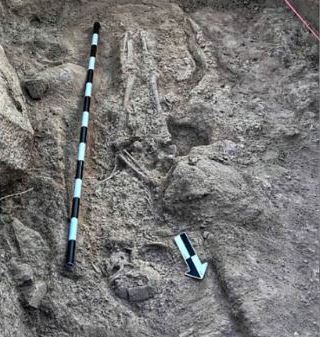
Discovery of Mesolithic Human Skeletons
During the ongoing excavation, archaeologists uncovered two complete human skeletons placed side by side inside a burial pit. This type of burial arrangement can provide important clues about social relationships, burial rituals, or cultural practices followed by prehistoric communities.
In the latest phase of excavation, researchers discovered a third human skeleton from another burial pit at the site. These findings indicate that the area may have served as a dedicated burial space for Mesolithic communities.
The Archaeological Importance of Tekkalakote
Tekkalakote, located in Ballari district, is one of the important prehistoric archaeological sites in South India. Previous studies at the site have revealed:
- Stone tools from early prehistoric periods
- Pottery fragments
- Evidence of early human habitation
The newly discovered skeletons add another important dimension to the site by providing direct evidence of burial practices during the Mesolithic period.
What These Discoveries Tell Us
The skeletal remains discovered at Tekkalakote may help archaeologists study:
- Burial traditions of Mesolithic communities
- Health and lifestyle of prehistoric populations
- Diet and environmental conditions of early humans
- Possible social relationships between individuals buried together
Future scientific analysis, including osteological studies and dating techniques, may reveal more details about the people who once lived in this region thousands of years ago.
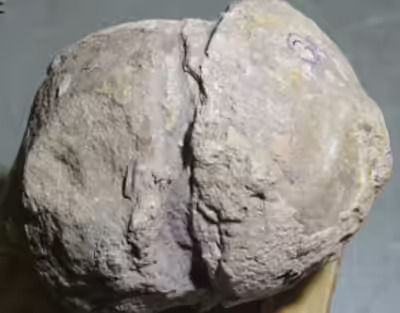
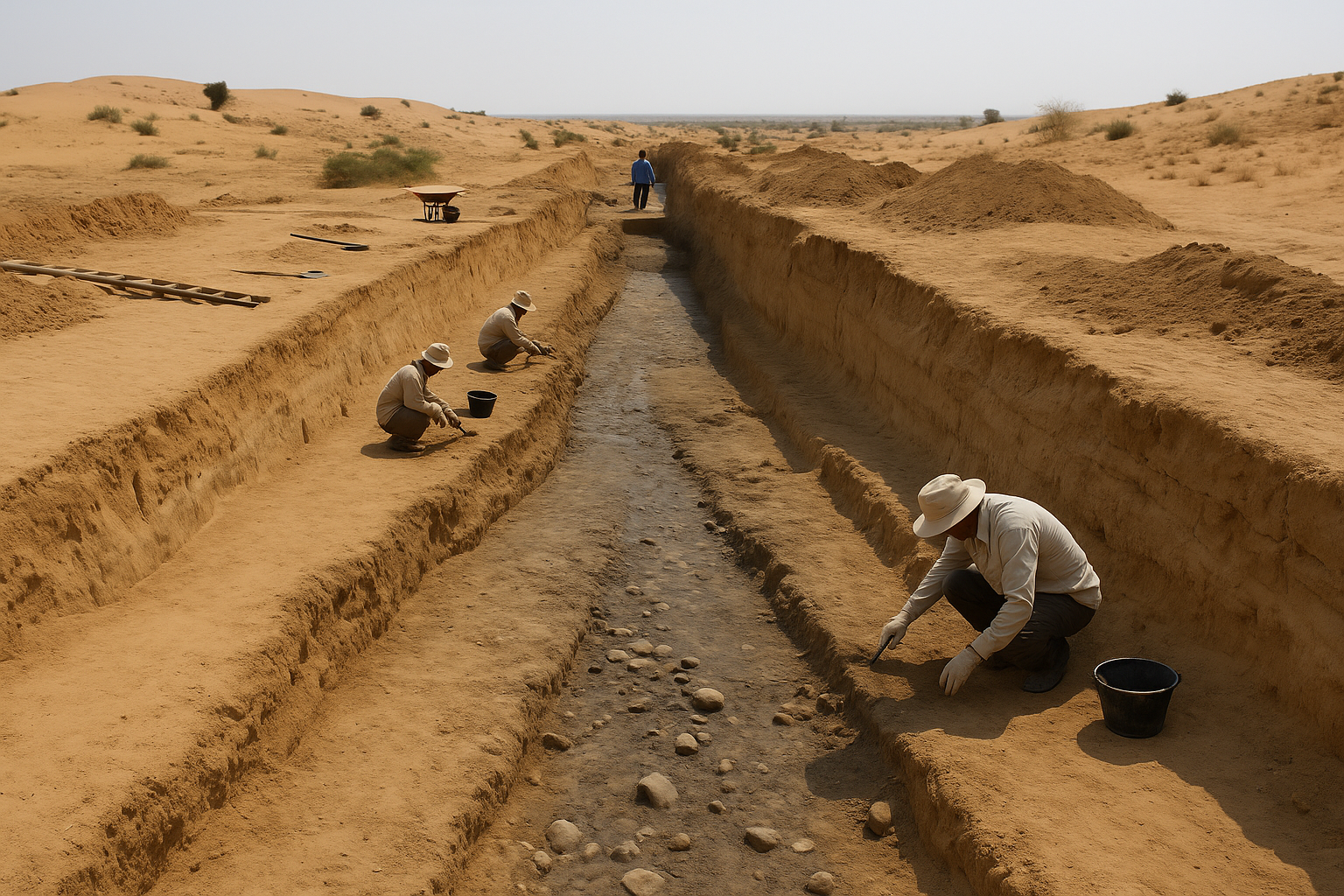
⚠️ Note: The images used in this article are representative archaeological images related to excavation and prehistoric burials. They may not necessarily be from the exact excavation trench.