
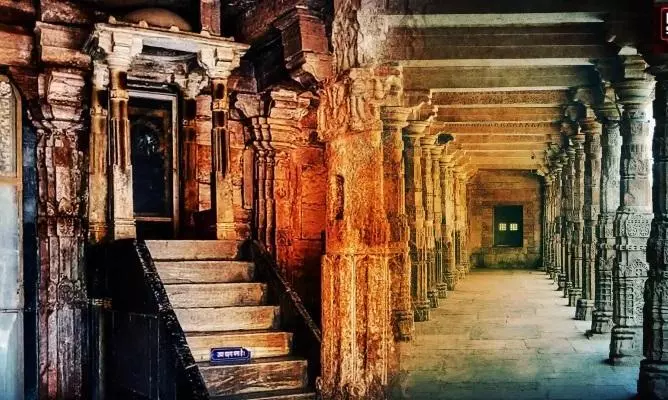
A recent investigation by the Archaeological Survey of India has concluded that the Kamal Maula Mosque in Dhar incorporates architectural components reused from earlier temple structures.
The conclusion was reached after detailed architectural and sculptural analysis, which revealed temple-style carvings and structural elements embedded within the mosque’s construction. Such findings provide important insights into medieval building practices and cultural transitions in central India.
Architectural Evidence of Reused Temple Components
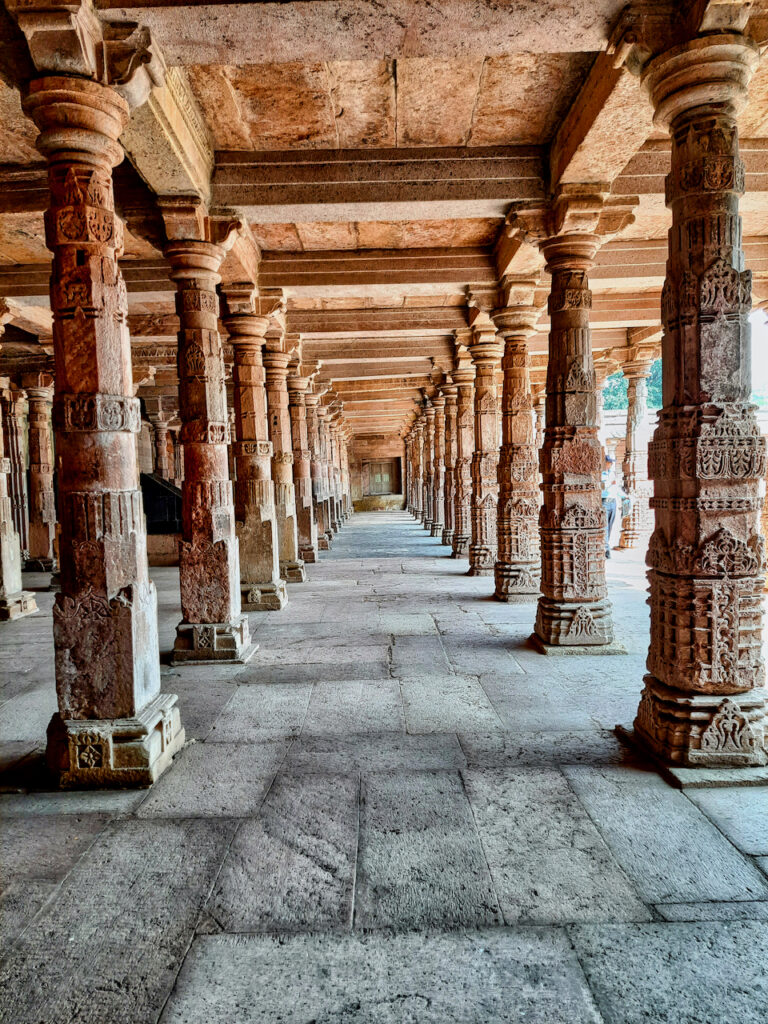
According to the ASI study, several structural elements within the mosque appear to originate from earlier temple architecture.
Carved Stone Pillars
Researchers identified stone pillars featuring intricate carvings typical of temple architecture, including:
- Floral and geometric motifs
- Traditional decorative bands
- Sculptural fragments resembling mythological imagery
These pillars differ from typical Islamic architectural styles and indicate that pre-existing temple materials were incorporated into the mosque’s structure.
Sculptural Fragments
Several reused stones contain iconographic carvings and sculptural fragments, suggesting they were once part of earlier temple walls or mandapas. These pieces appear to have been reworked or repositioned during later construction.
Architectural Style Differences
The mosque displays a blend of architectural traditions:
- The layout and prayer hall orientation follow Islamic architectural principles.
- Many columns and decorative elements reflect earlier Hindu temple craftsmanship.
This architectural mixture is often observed in medieval structures where materials from older buildings were reused.
Historical Context of the Site
The Kamal Maula Mosque dates back to the medieval period when Dhar was an important political center in central India. During the Delhi Sultanate era, builders frequently reused stone from earlier monuments for new construction.
Such reuse could occur due to:
- Availability of high-quality carved stone
- Economic efficiency in construction
- Changing political and cultural landscapes
Today, these reused elements provide valuable archaeological clues about earlier structures that may no longer survive.
Importance for Archaeological Research
The ASI findings highlight how historic monuments can preserve multiple layers of history within a single structure.
For archaeologists, the Kamal Maula Mosque demonstrates:
- The reuse of architectural material in medieval India
- The interaction of different architectural traditions
- Evidence of earlier temple structures that once existed in the region
Sites like this help historians reconstruct the cultural and architectural evolution of historic cities such as Dhar.
⚠️ Note: The images used here are representative images of the monument and may not necessarily be from the exact archaeological investigation.