
The state of Maharashtra has launched a major initiative to document and conserve the Konkan petroglyphs, allocating approximately ₹15 crore and establishing a dedicated World Heritage Desk.
Spread across the Konkan region, these sites include over 1,000 prehistoric rock carvings, making them one of the most significant concentrations of rock art in South Asia. Authorities are also preparing for a potential UNESCO World Heritage nomination.
What Are Konkan Petroglyphs?
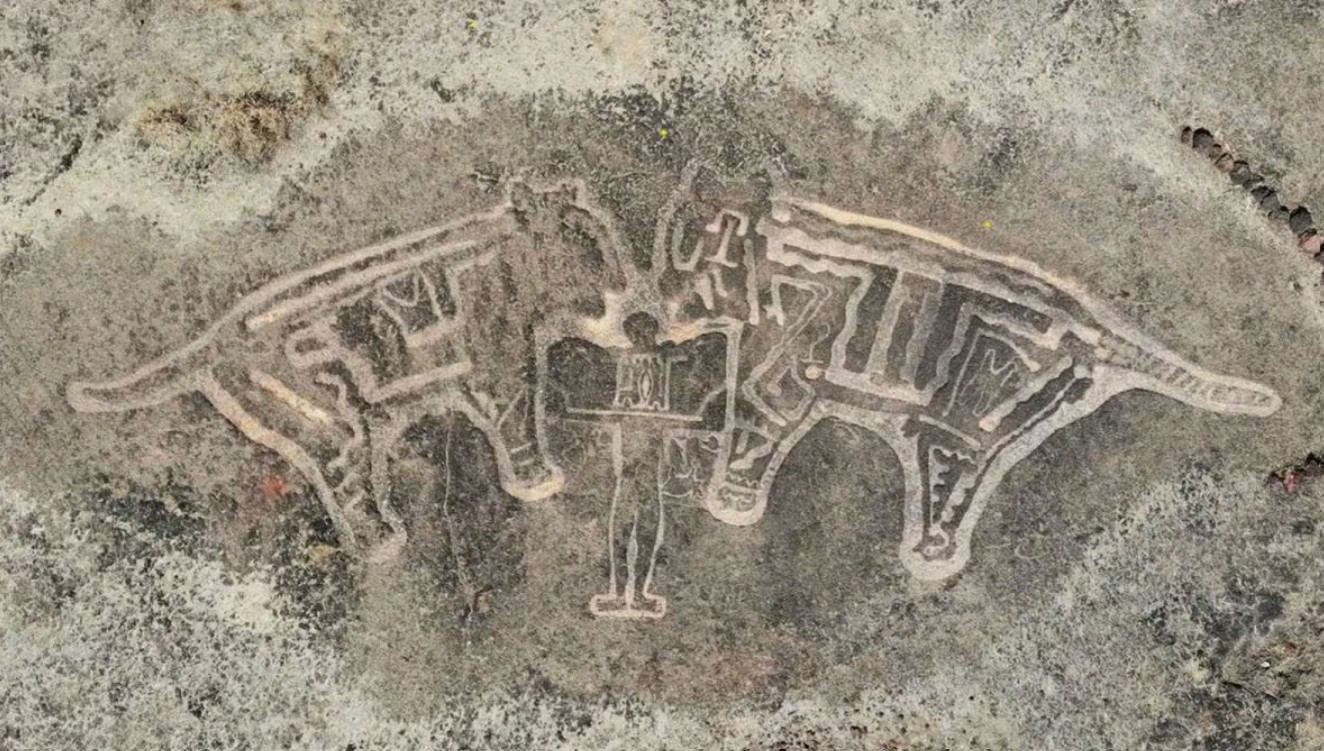
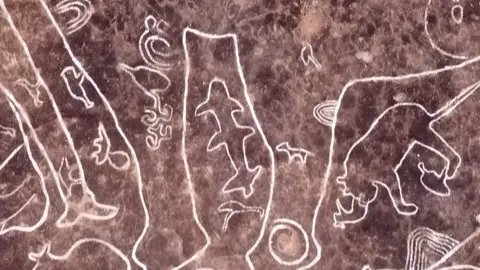
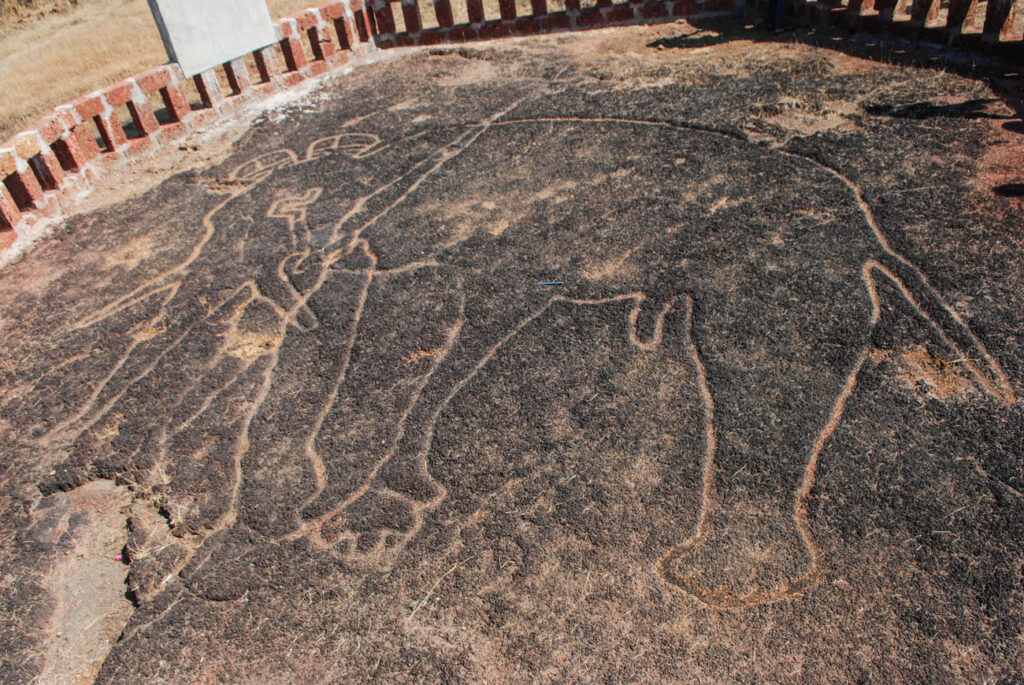
Konkan petroglyphs are prehistoric carvings etched into laterite rock surfaces, primarily found in districts like Ratnagiri and Sindhudurg.
These carvings depict:
- Animals such as fish, birds, and mammals
- Human figures and hunting scenes
- Geometric and symbolic patterns
Unlike cave paintings, these are open-air carvings, often located on elevated plateaus.
Conservation and Documentation Efforts
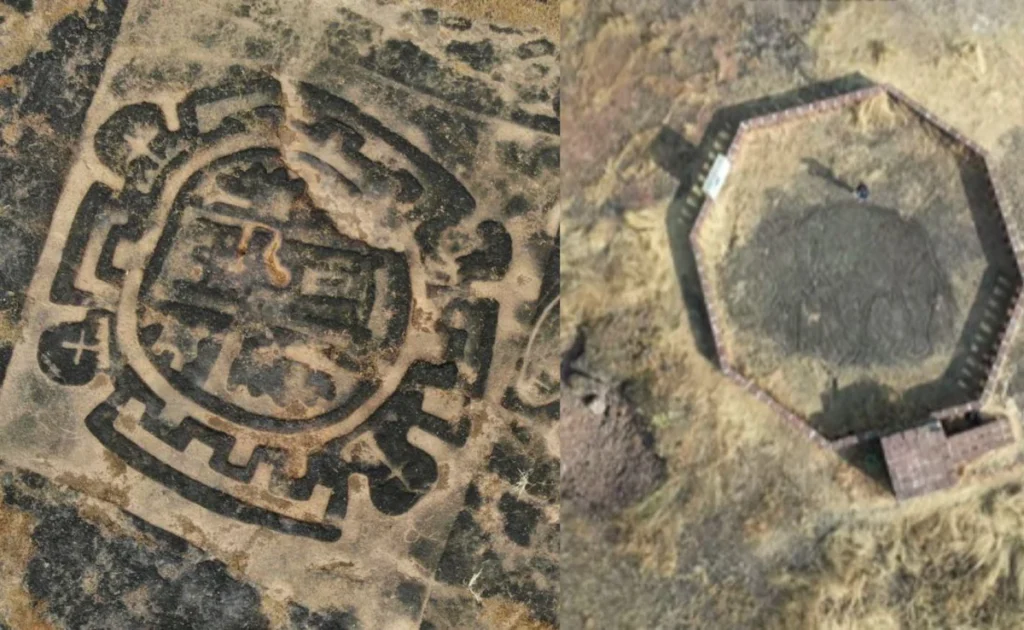
The new initiative focuses on:
- Systematic documentation and mapping of sites
- Use of modern technologies like 3D scanning and digital recording
- Protection of sites from erosion, vandalism, and environmental damage
- Preparation for UNESCO World Heritage recognition
This marks a shift toward landscape-level heritage management, where entire archaeological regions are preserved rather than individual monuments.
Scholarly Importance of Konkan Geoglyphs
Scholars consider Konkan petroglyphs among the most enigmatic prehistoric landscapes in South Asia.
Key research questions include:
- Chronology: When exactly were these carvings made?
- Function: Were they ritual, symbolic, or territorial markers?
- Cultural links: Which prehistoric communities created them?
Ongoing documentation and scientific studies may finally provide answers to these long-standing questions.
Why This Matters
The conservation push reflects a broader trend in Indian archaeology — a move toward protecting entire cultural landscapes rather than isolated monuments.
With proper documentation and preservation, Konkan petroglyphs could:
- Gain global recognition through UNESCO
- Provide new insights into prehistoric life in western India
- Boost heritage awareness and responsible tourism
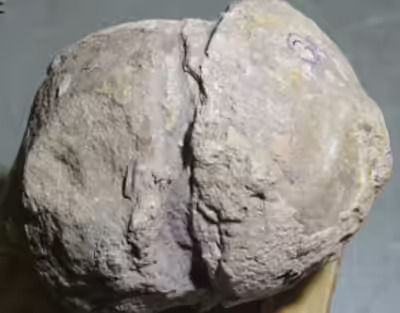
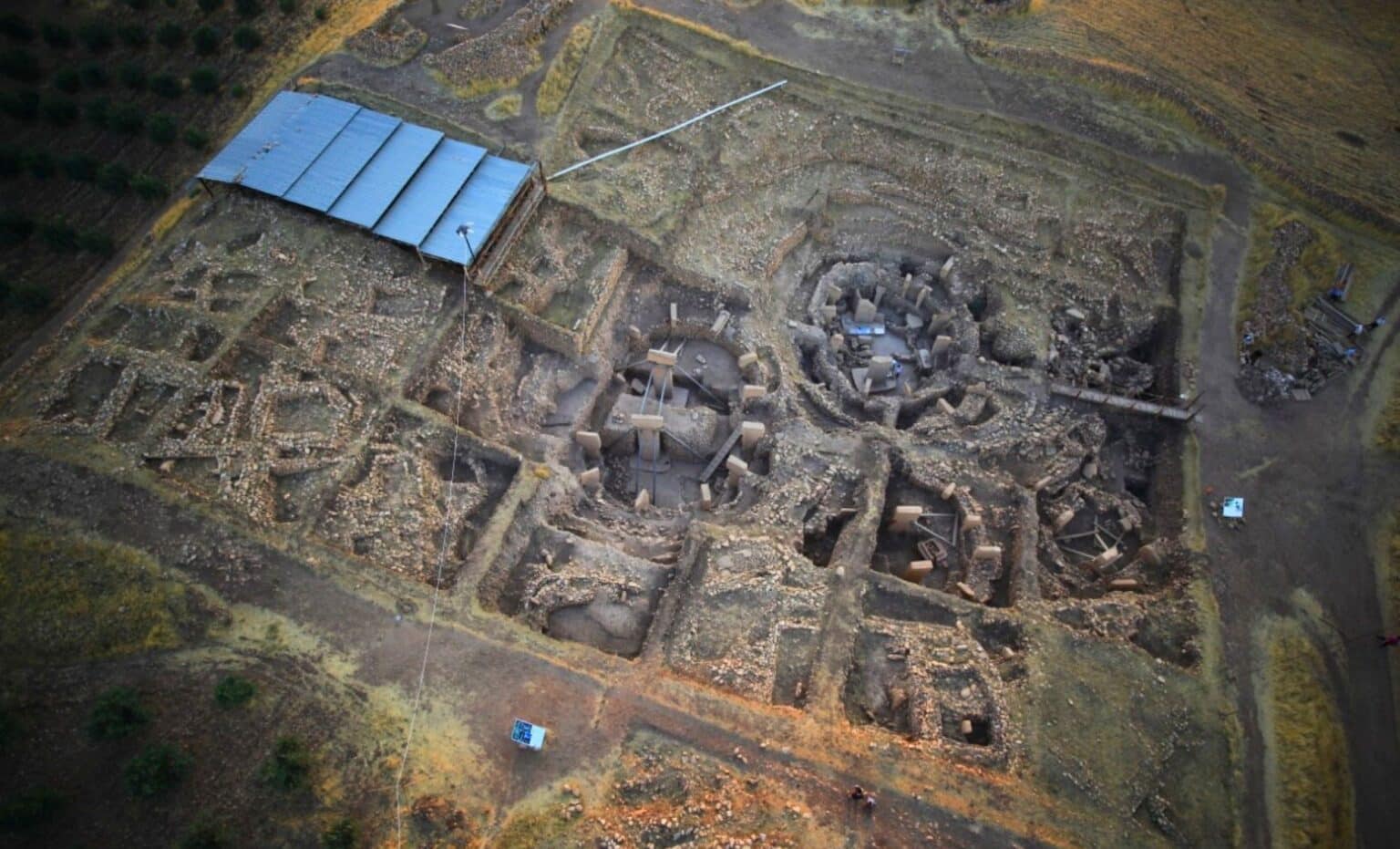
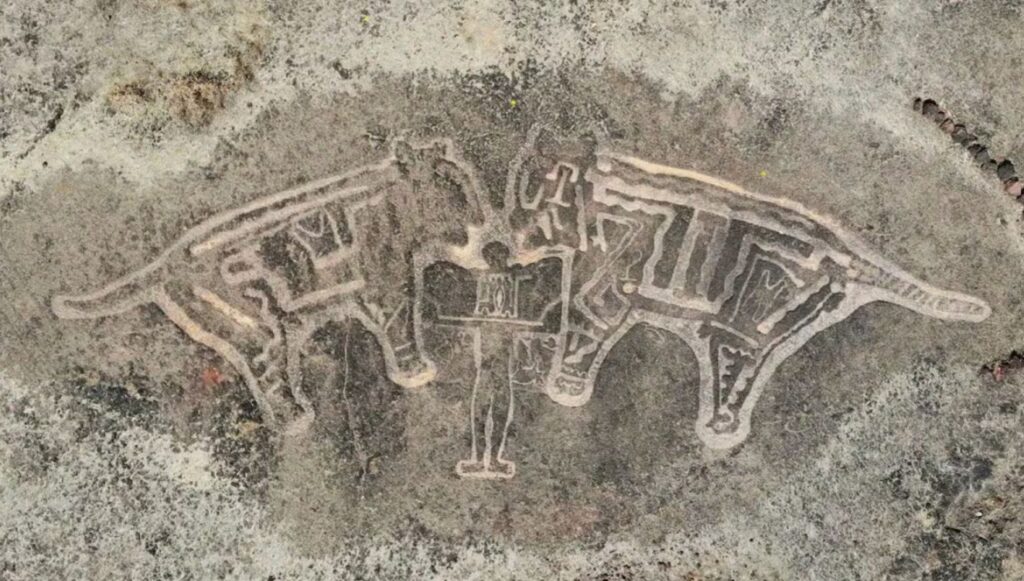
⚠️ Note: Images used are representative photographs of Konkan petroglyph sites and rock carvings.