
Fresh investigations at Lothal, located in Gujarat, have revealed new archaeological evidence pointing to industrial and craft activity at this ancient port settlement.
Researchers have uncovered tiny gold particles, craft tools, bones, and marine remains, offering new insights into how this Harappan site functioned as both a manufacturing and maritime trade center over 4,000 years ago.
New Discoveries from the Excavations
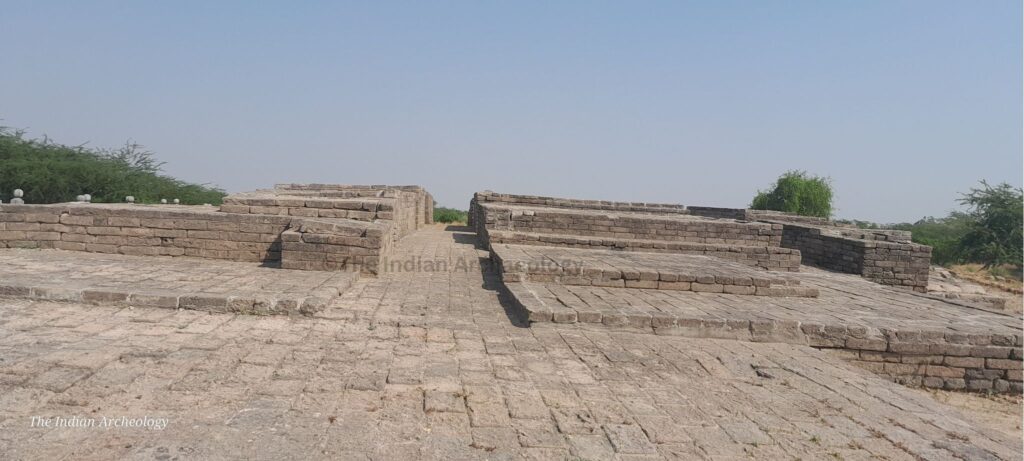
The recent phase of investigation has revealed a variety of materials that shed light on daily and industrial life at Lothal:
- Microscopic gold particles, possibly linked to metalworking or ornament production
- Craft tools, indicating organized artisanal activity
- Animal bones, providing evidence of diet and subsistence
- Marine remains, suggesting coastal interaction and trade connections
Even small traces like gold dust can indicate the presence of specialized craftsmanship and economic activity.
Lothal as an Industrial and Trade Hub
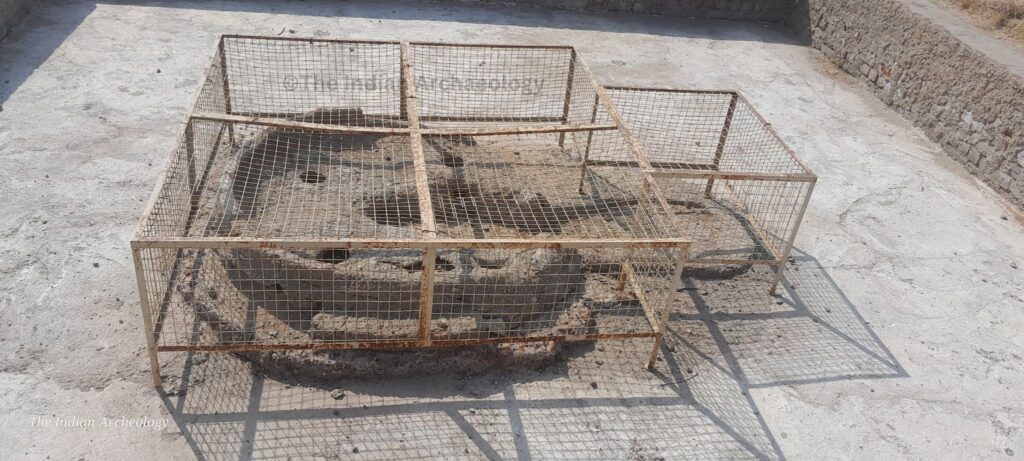
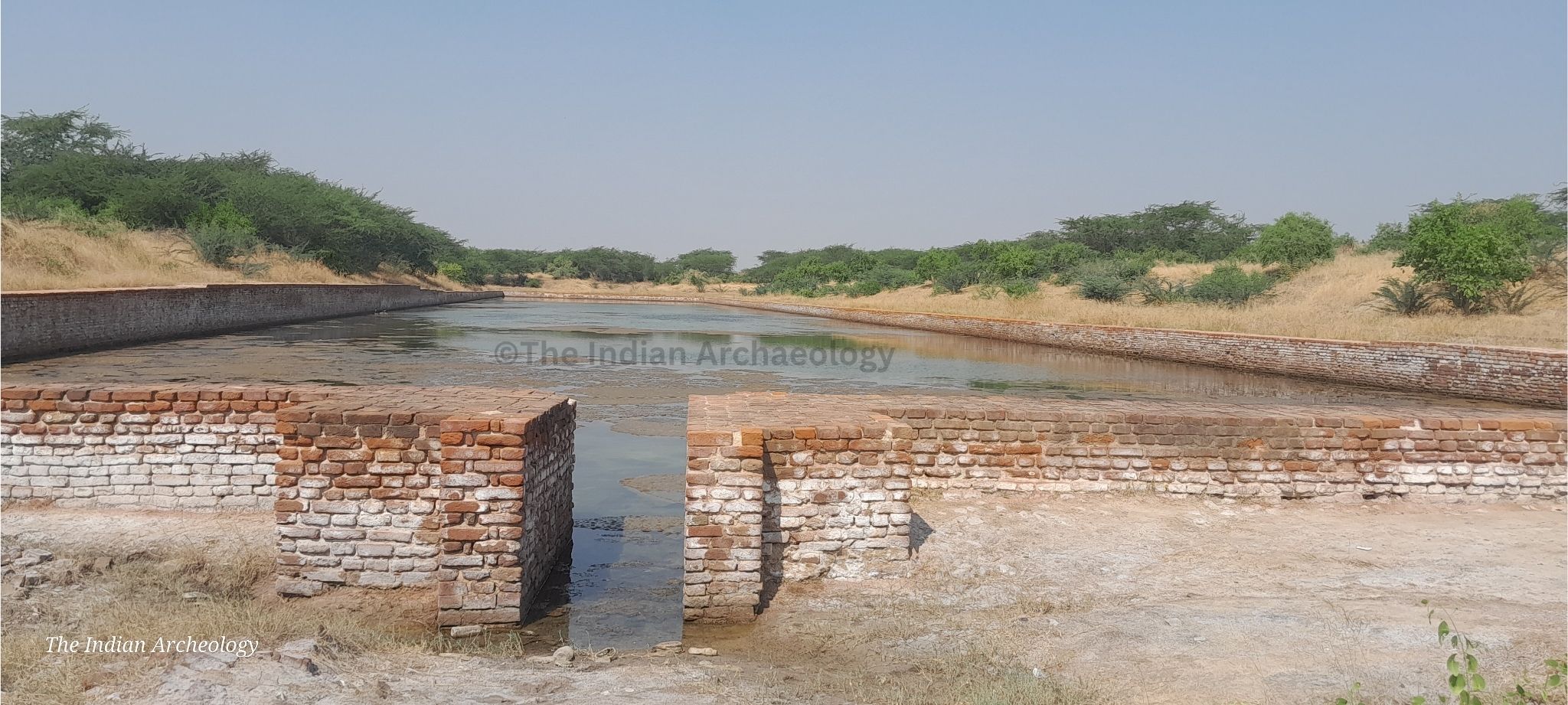
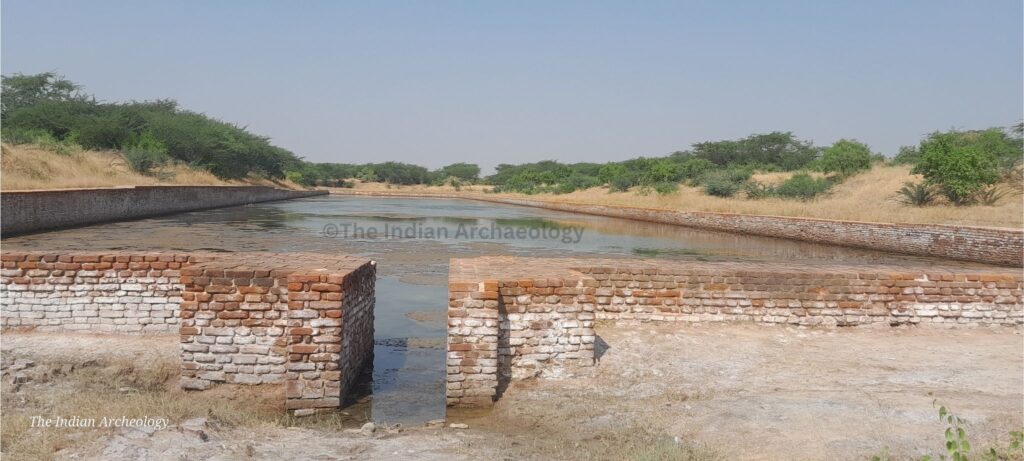
Lothal is widely known for its dockyard and planned urban layout, making it one of the most significant port settlements of the Indus Valley Civilization.
The new findings reinforce its role as:
- A center for craft production, including bead-making and possibly metalwork
- A hub for maritime trade, connecting inland regions with coastal and overseas networks
- A site with organized industrial activity, not just habitation
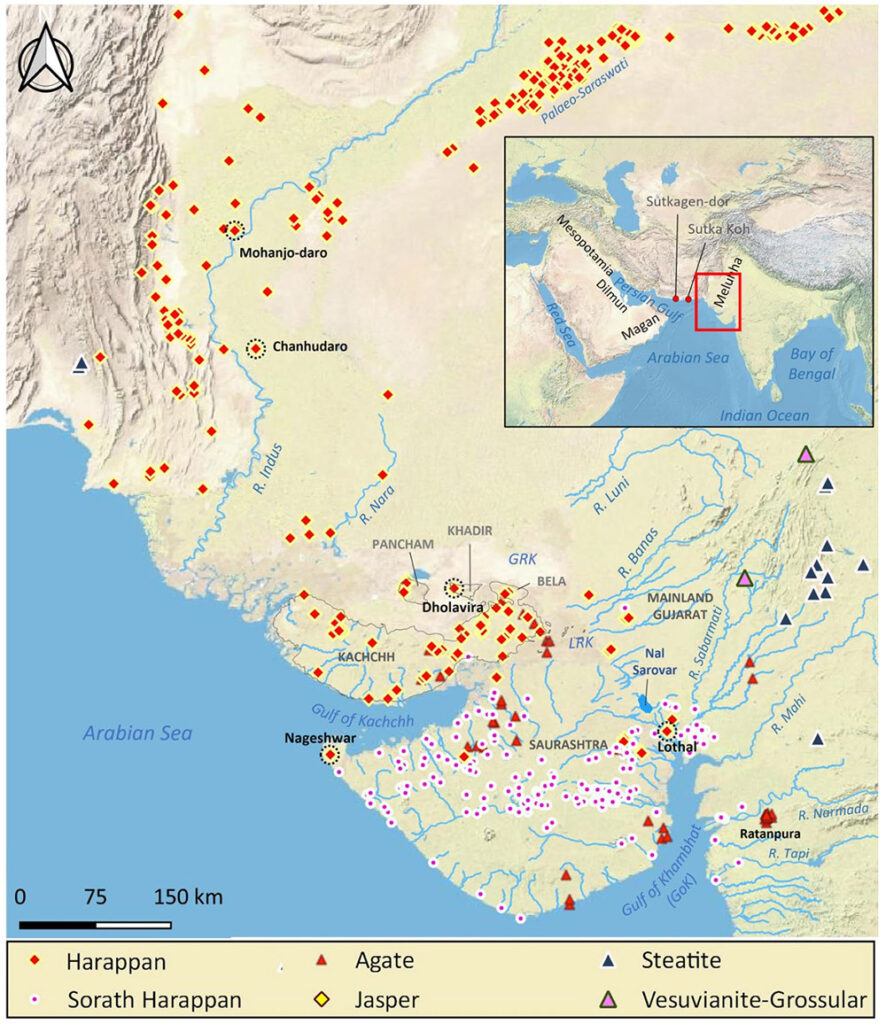
Maritime Connections and Trade Networks
Lothal’s location and infrastructure suggest it played a key role in long-distance trade networks.
Archaeological and historical evidence indicates:
- Trade links with regions along the Arabian Sea
- Exchange of goods such as beads, metals, and crafted items
- Integration into a wider Indus economic network
The presence of marine remains further supports the idea of active interaction with coastal environments.
Why These Discoveries Matter
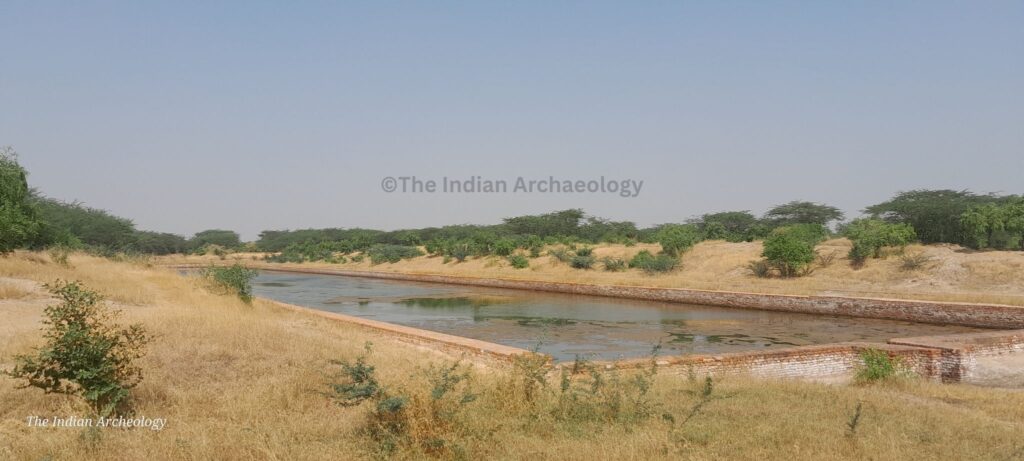
These new findings highlight how even microscopic evidence can transform our understanding of ancient societies.
They demonstrate that:
- Lothal was not just a port, but also a production center
- The Indus civilization had complex economic and industrial systems
- Archaeology continues to uncover new layers of information from well-known sites
In simple terms, tiny traces of gold dust reveal the presence of skilled artisans working in a thriving port city over 4,000 years ago.
© All images are original and owned by The Indian Archaeology. Unauthorized use is prohibited.