


Recent excavations along a river corridor in India have revealed beads, pottery, and coins, pointing to the presence of active trade networks during the early historic period.
Such findings highlight the crucial role of river systems as economic lifelines, connecting inland settlements with wider regional and coastal exchange networks.
Evidence from the Excavations
The excavations have uncovered a variety of artefacts associated with trade and daily life:
- Beads, possibly made of semi-precious stones or glass
- Pottery fragments, indicating storage and transport of goods
- Coins, suggesting economic transactions and exchange systems
These artefacts collectively indicate organized commercial activity in the region.
Rivers as Trade Corridors
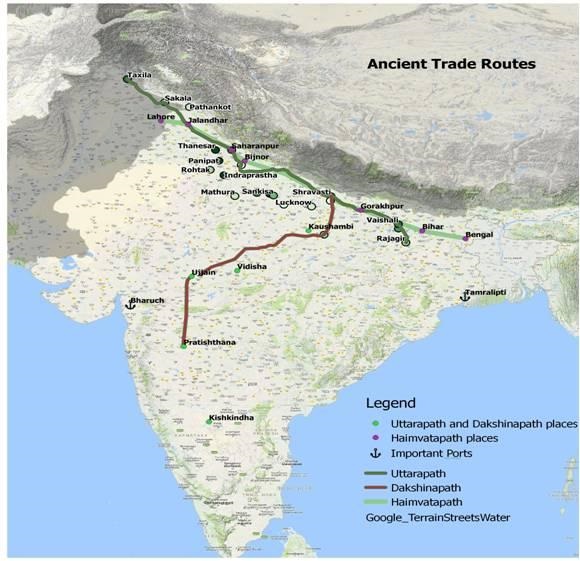
In early historic India, rivers functioned as major trade corridors.
They enabled:
- Movement of goods between inland settlements and coastal ports
- Transport of raw materials and finished products
- Development of trade routes and exchange networks
Riverine transport was often more efficient than overland routes, making these waterways essential for economic growth.
Trade Networks and Economic Activity
The artefacts suggest that the site was part of a larger interconnected trade network.
This network likely included:
- Local production centers
- Regional markets
- Long-distance exchange routes linking different regions
The presence of coins further indicates the use of monetary systems and organized trade practices.
Why This Discovery Matters
These findings are important because they help archaeologists understand:
- How trade networks developed in early historic India
- The role of rivers in shaping economic and settlement patterns
- The emergence of complex economic systems
In simple terms, rivers were not just natural features—they were highways of trade, connecting communities and supporting economic activity.
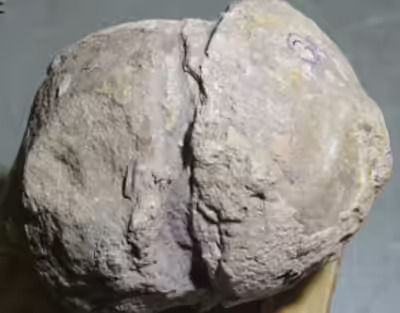
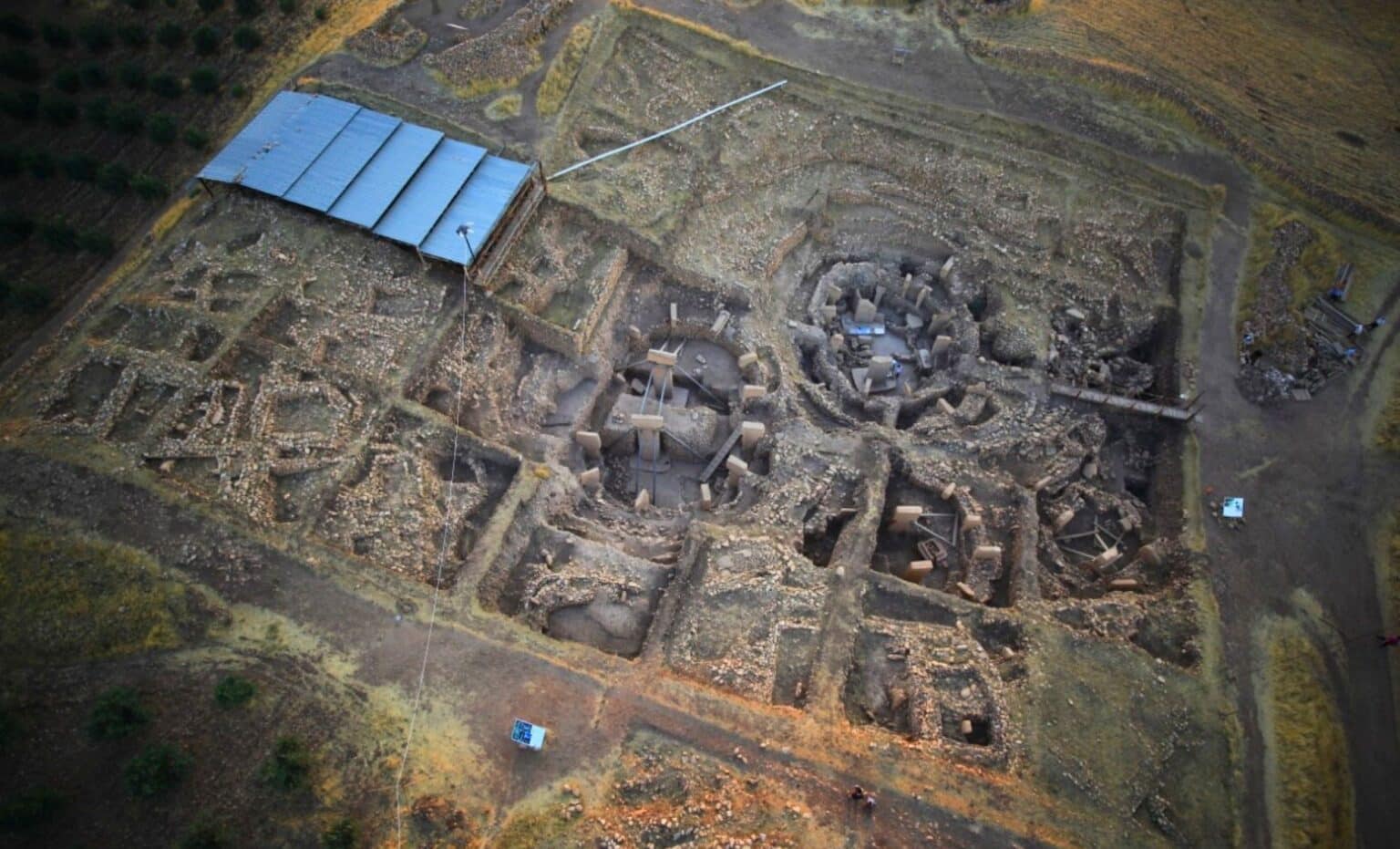
⚠️ Note: Images used are representative of early historic artefacts and archaeological contexts in India.