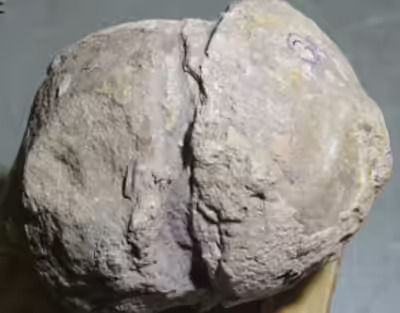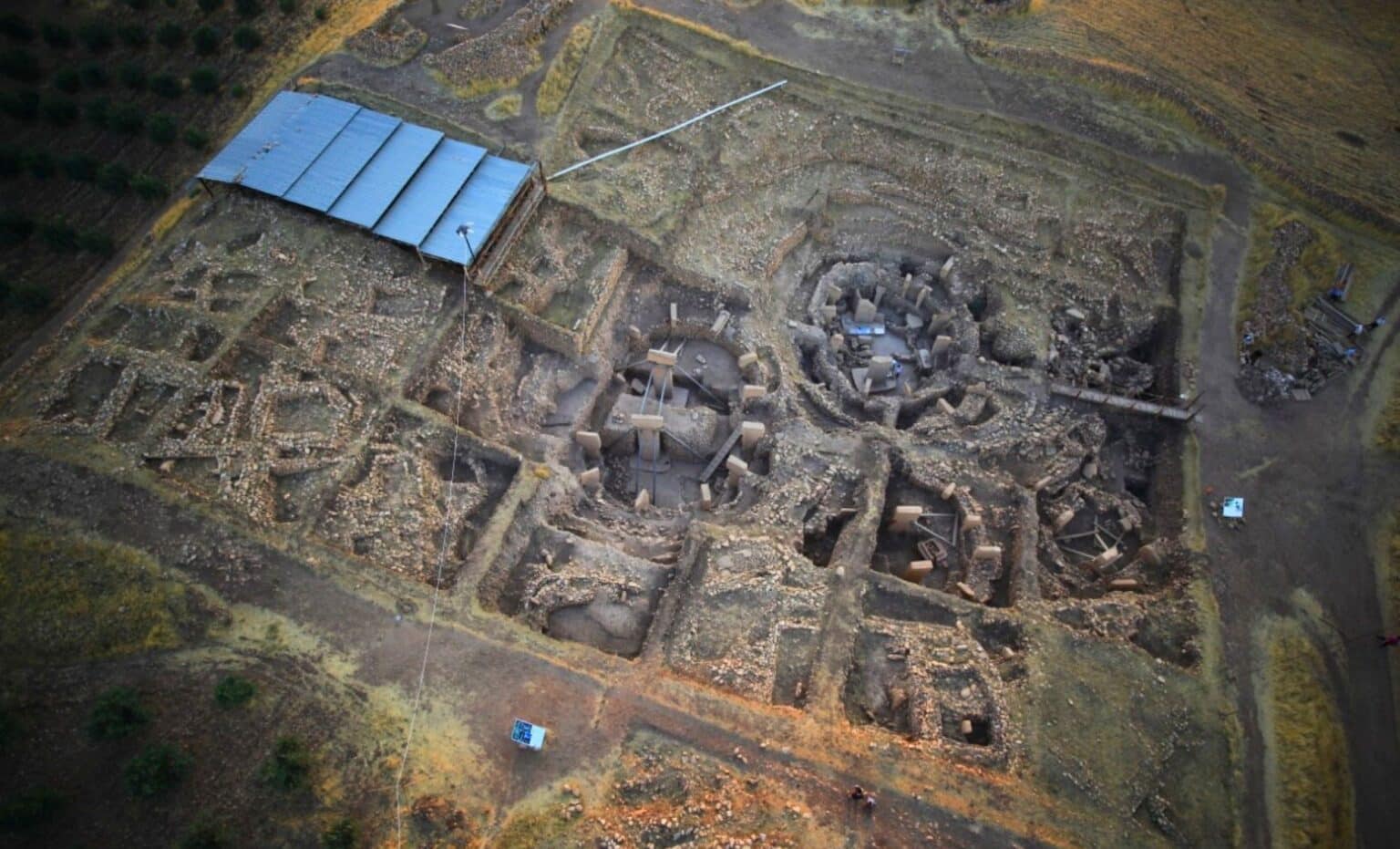

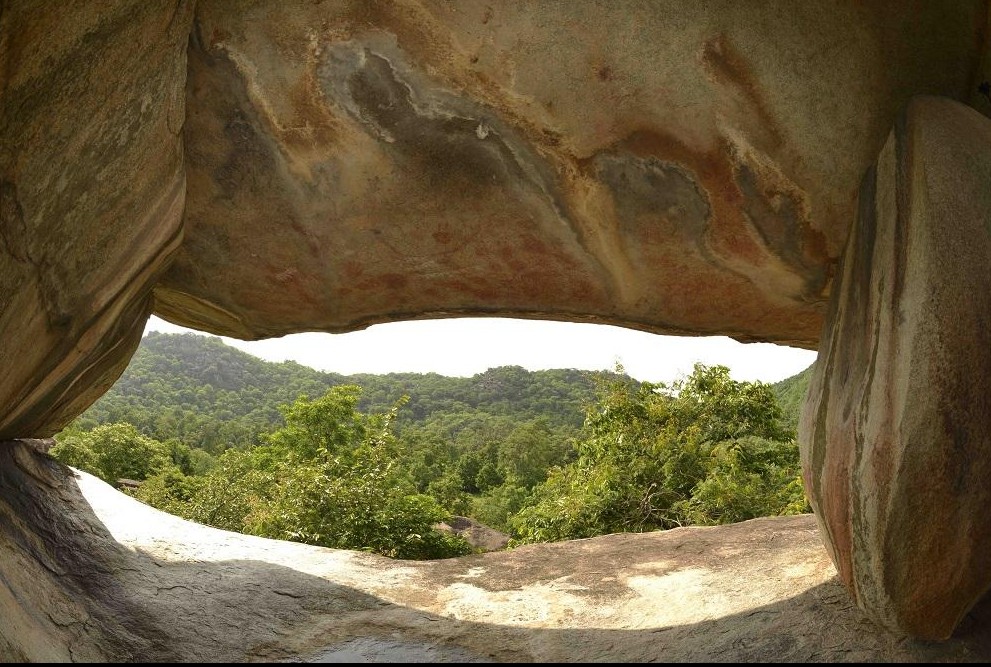
Recent archaeological surveys in central India are identifying rock shelters with evidence of prolonged human habitation, expanding our understanding beyond well-known sites like Bhimbetka Rock Shelters.
These newly documented shelters, particularly in regions of Madhya Pradesh, suggest that prehistoric human activity in the region was more widespread and continuous than previously understood.
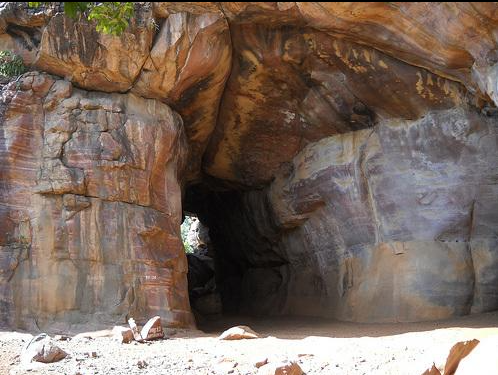
What Are Rock Shelters?
Rock shelters are natural overhangs or shallow caves formed by erosion of rock formations.
They provided early humans with:
- Protection from weather and predators
- Elevated and strategic living spaces
- Easy access to resources like water and raw materials
Unlike deep caves, rock shelters are open and accessible, making them ideal for repeated habitation.
Evidence of Human Habitation
Surveys have revealed multiple indicators of human activity:
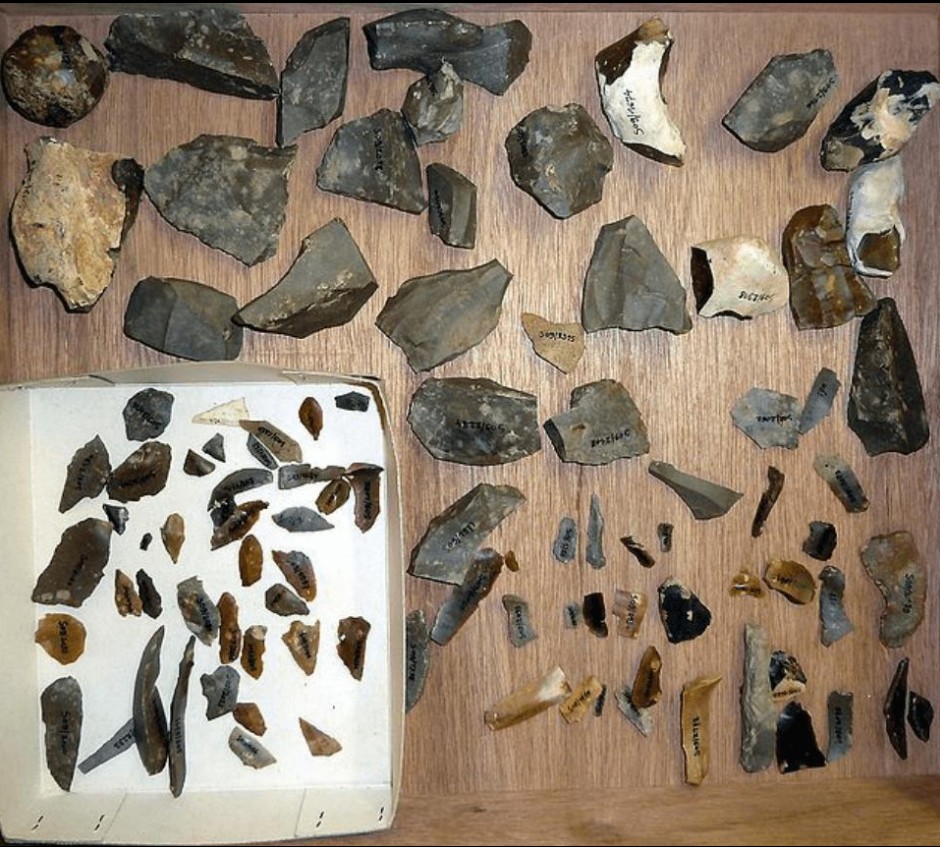
- Stone tools, including flakes and cores
- Possible traces of rock art or pigments
- Evidence of repeated occupation layers
These findings indicate that these shelters were not temporary stops, but regularly used living spaces.
Long-Term Use and Cultural Continuity
Rock shelters are particularly valuable because they preserve long sequences of human activity.
They help archaeologists understand:
- Changes in tool-making technology over time
- Patterns of mobility and settlement
- Continuity in cultural and artistic practices
Some shelters may show occupation from the Palaeolithic period through later phases, offering a rare long-term record.
Expanding the Prehistoric Landscape
The identification of additional rock shelters suggests that central India may represent a much larger prehistoric habitation zone than previously recognized.
This expands our understanding of:
- Human adaptation to diverse environments
- The scale of prehistoric settlement networks
- The importance of central India in human evolutionary history
Why This Discovery Matters
These findings highlight how even lesser-known sites can transform our understanding of the past.
They show that:
- Early humans repeatedly used the same shelters over long periods
- Rock shelters functioned as stable, long-term living spaces
- Prehistoric life in India was more organized and continuous than once assumed
In simple terms, these shelters were like ancient homes, used across generations for thousands of years.
⚠️ Note: Images used are representative of rock shelters and prehistoric sites in central India.