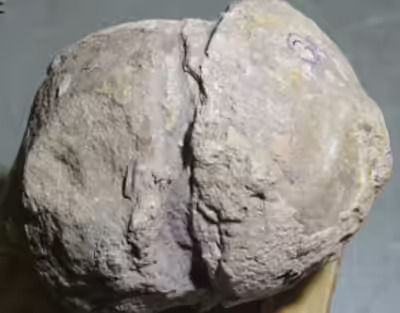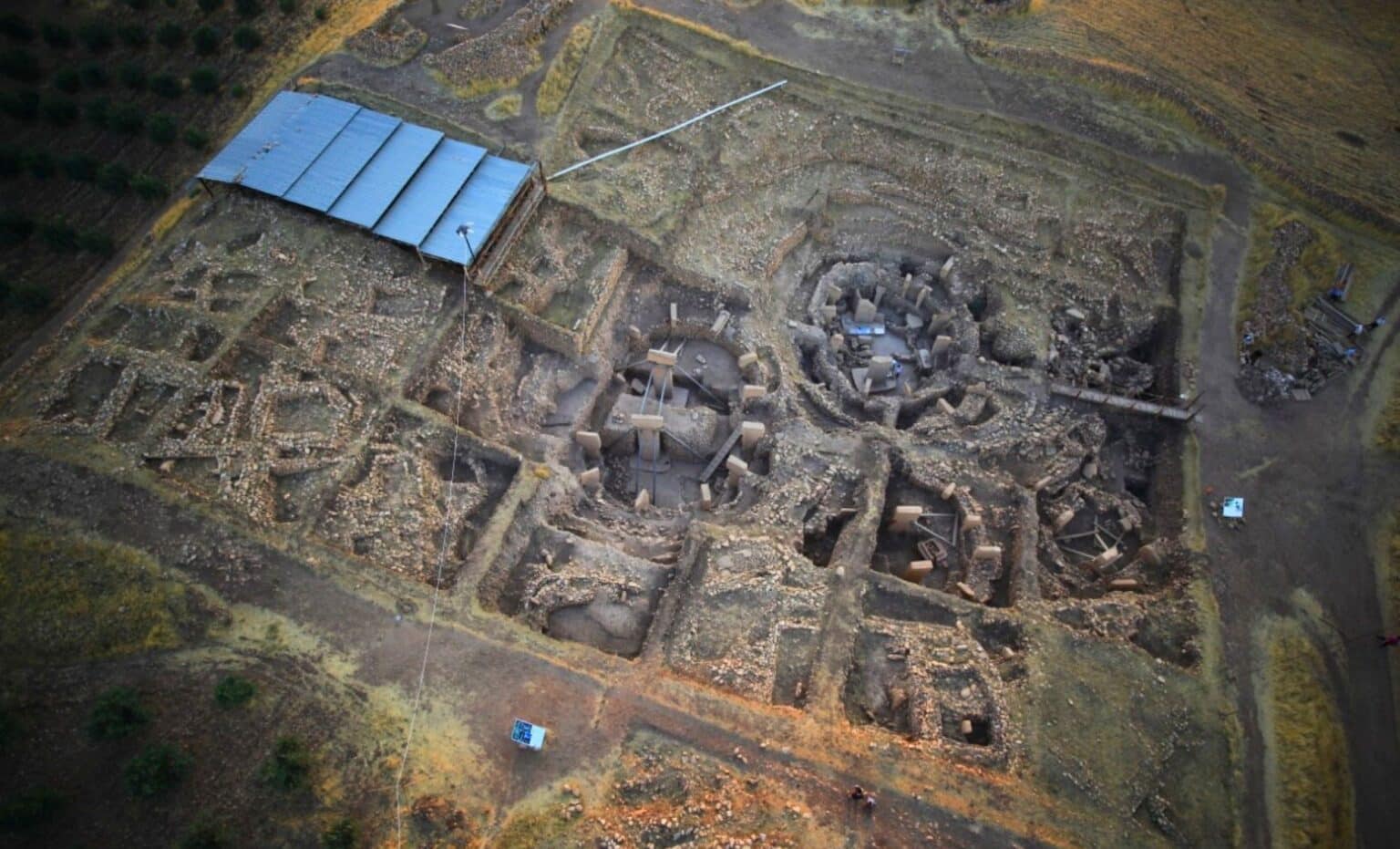

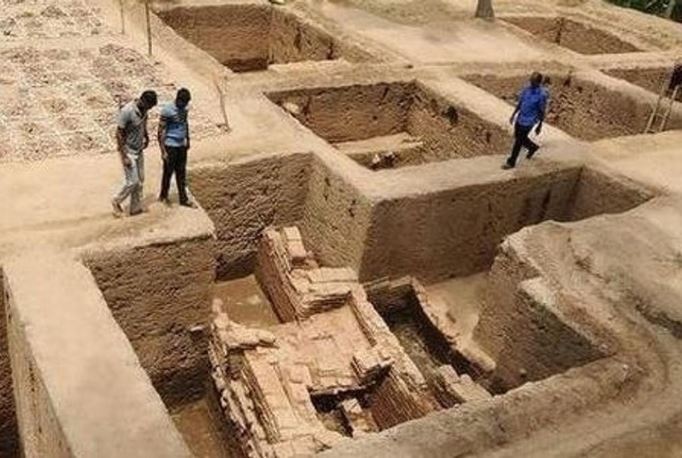
Keeladi continues to be one of India’s most important active archaeological excavations. Recent discoveries from Phase 11 include structural remains, pottery, terracotta features, and habitation evidence that further strengthen the interpretation of Keeladi as a highly organized Early Historic urban settlement.
Located near Madurai in Tamil Nadu, the site has transformed our understanding of early South Indian civilization and the cultural landscape associated with the Sangam Age.
What Was Found in Phase 11?
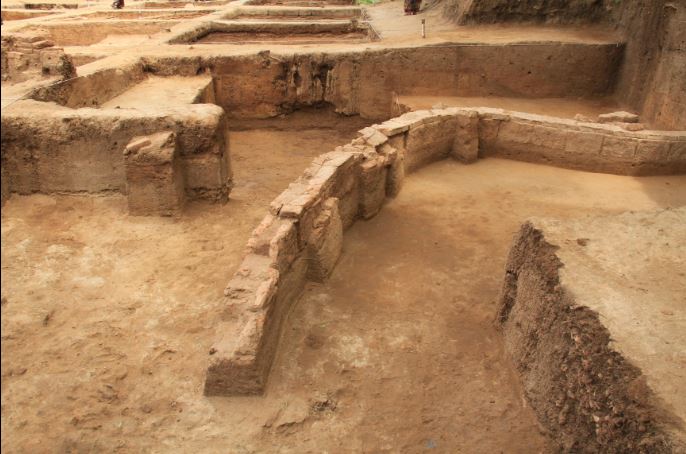
Archaeologists have documented:
- Structural remains and walls
- Pottery fragments
- Terracotta objects
- Habitation layers
- Evidence of organized settlement planning
These discoveries continue to reveal a community with advanced social and economic organization.
Evidence of Urban Planning
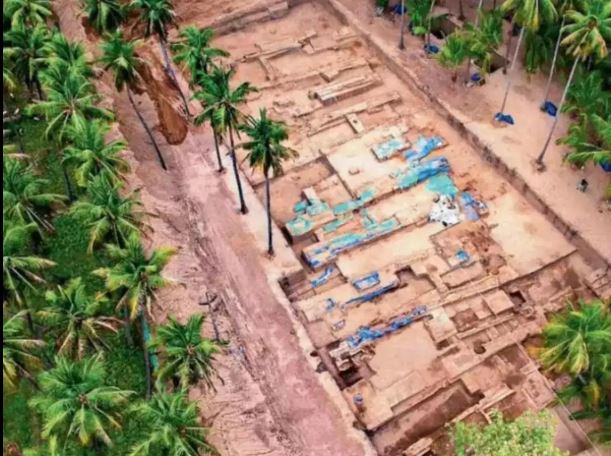
One of the most important aspects of Keeladi is its evidence for planned settlement activity.
Researchers have identified:
- Brick-built structures
- Organized habitation areas
- Water-management features
- Craft-production zones
These findings suggest a well-developed urban environment rather than a simple rural settlement.
Why Keeladi Matters to Archaeologists
Keeladi contributes directly to major debates concerning:
🏛️ Early Urbanism
How cities and towns developed in South India.
✍️ Literacy
Evidence linked to writing traditions and literacy.
⚒️ Craft Specialization
Production of pottery and other manufactured goods.
💧 Water Management
Planning and infrastructure associated with settlement life.
Keeladi and the Sangam Age
Many scholars view Keeladi as one of the strongest archaeological windows into the Sangam Age.
The site helps researchers understand:
- Daily life
- Economic activity
- Settlement organization
- Cultural development in ancient Tamil society
Why This Discovery Matters
Phase 11 continues to reinforce the idea that Keeladi was a highly organized urban settlement with sophisticated planning and active craft production.
In simple terms, every excavation season provides new evidence that complex communities were flourishing in South India more than two thousand years ago.