
Recent archaeological discoveries are placing Jharkhand firmly on India’s archaeological map.
Following the discovery of a 3,200-year-old Chalcolithic settlement in Hazaribag, researchers are calling for expanded exploration across eastern India. Archaeologists believe that Jharkhand’s river valleys, plateaus, and forested landscapes may preserve evidence of prehistoric communities that remain largely unexplored.
The growing number of discoveries suggests that Jharkhand could become one of India’s most important emerging archaeological regions.
The Discovery That Sparked New Interest
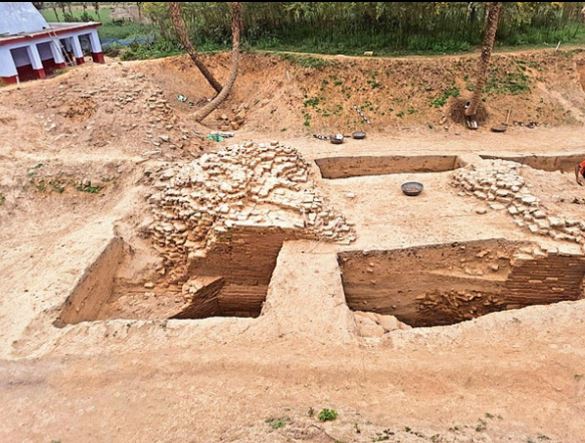
Recent investigations in the Mohane River Basin near Hazaribag revealed:
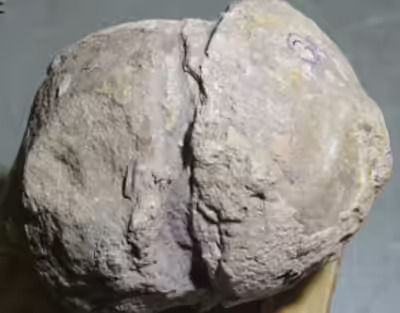
- Pottery fragments
- Stone and metal tools
- Habitation layers
- Evidence of organized settlement activity
The remains date to approximately 3,200 years ago, placing the site within the Chalcolithic period.
The discovery demonstrates that eastern India hosted well-established communities during a period that remains poorly understood compared to other regions of the subcontinent.
Why Archaeologists Are Excited
Unlike regions such as the Indus Valley or the Gangetic plains, much of Jharkhand has received relatively limited archaeological investigation.
Researchers believe the region may preserve evidence for:
- Early farming communities
- Chalcolithic settlements
- Ancient trade and exchange networks
- Long-term cultural development
Many valleys and plateau zones remain archaeologically unexplored, offering enormous research potential.
Understanding Chalcolithic Expansion
One of the most important questions concerns the spread of Chalcolithic cultures across the Indian subcontinent.
Archaeologists hope future discoveries in Jharkhand may help explain:
🏺 Cultural Expansion
How Chalcolithic communities spread into eastern India.
🌾 Early Agriculture
The development of farming-based settlements.
🔄 Cultural Interaction
Connections between eastern India and neighboring regions.
Links with the Gangetic World
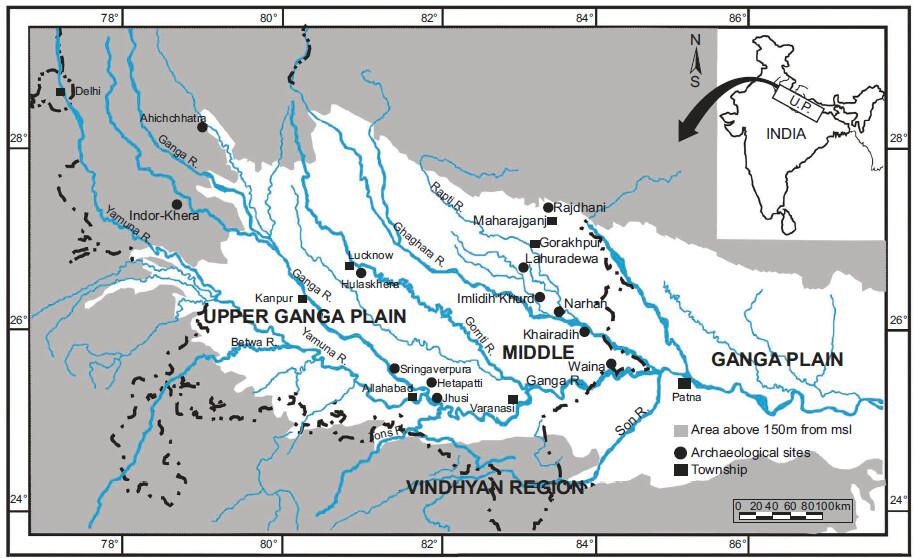
A major research question involves understanding how eastern India interacted with communities in the Gangetic plains.
Future discoveries may reveal:
- Trade connections
- Shared pottery traditions
- Technological exchange
- Movement of people and ideas
Such evidence could help bridge important gaps in India’s prehistoric history.
Why This Matters
Jharkhand’s archaeological potential extends far beyond a single site.
The region may preserve evidence that helps explain:
- How early farming communities developed
- How Chalcolithic cultures expanded eastward
- How regional societies interacted across northern India
In simple terms, Jharkhand may hold some of the missing pieces needed to understand the development of ancient societies in eastern India.
Key Facts
📍 Region: Jharkhand
🏺 Major Discovery: 3,200-year-old settlement in Hazaribag
🌾 Research Focus: Early farming communities
🔍 Importance: Chalcolithic expansion and cultural interaction
🏛️ Potential: One of India’s emerging archaeological hotspots