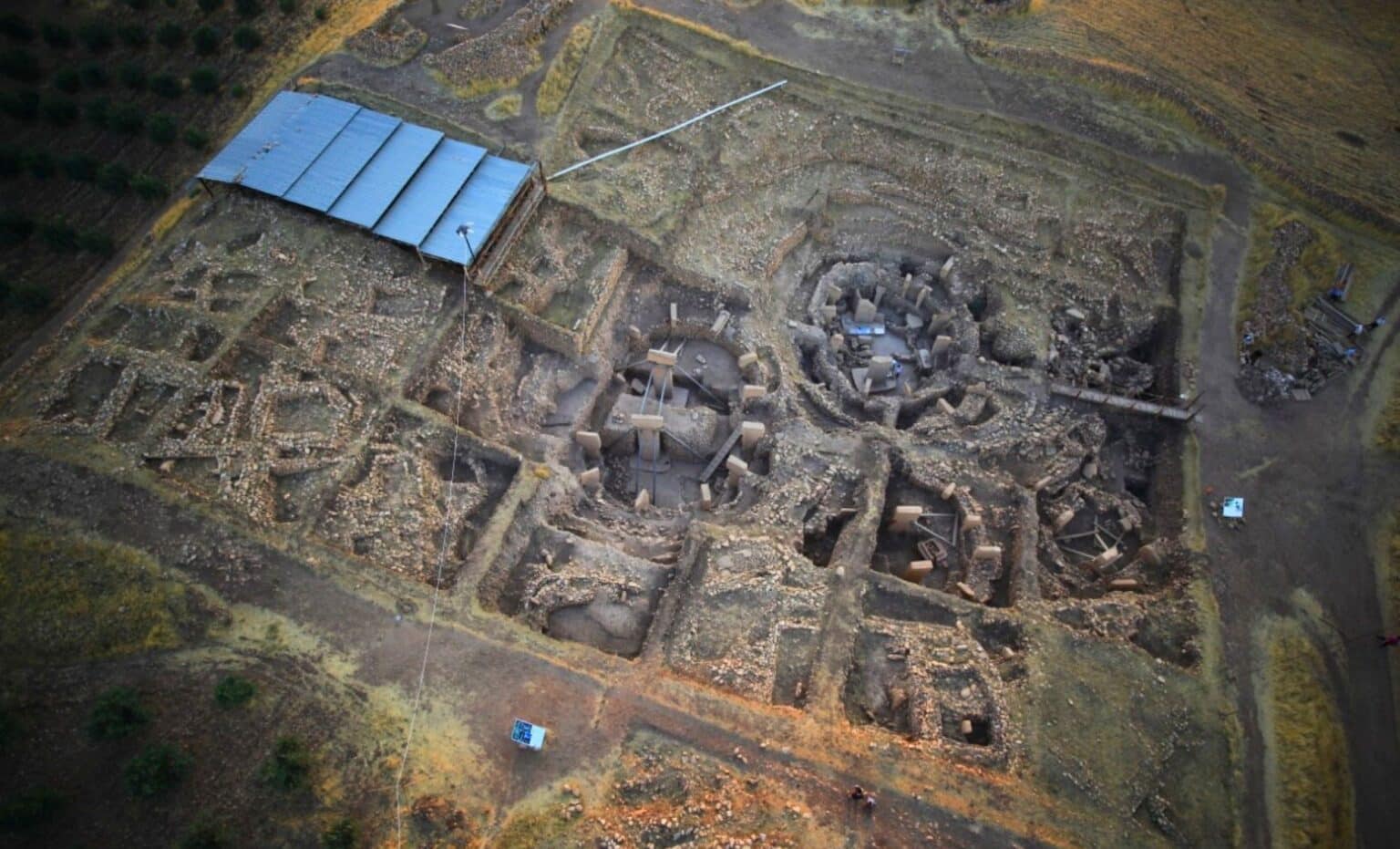

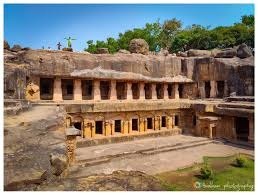
Recent excavations across parts of eastern India—particularly in regions of West Bengal, Odisha, and Jharkhand—have revealed important evidence of Early Iron Age habitation.
Archaeologists have uncovered habitation layers containing iron tools, pottery, and structural remains, indicating a phase of expanding settlements and increasing socio-economic complexity.
Evidence from Excavations
The excavations have yielded a range of materials associated with settled life:
- Iron tools, including implements possibly used for agriculture and daily activities
- Pottery assemblages, reflecting domestic and storage practices
- Structural remains, such as post-holes or foundations indicating permanent habitation
- Clear stratified layers, showing continuous or repeated occupation
These findings provide strong evidence for established settlement systems during the Early Iron Age.
Rise of Iron Technology
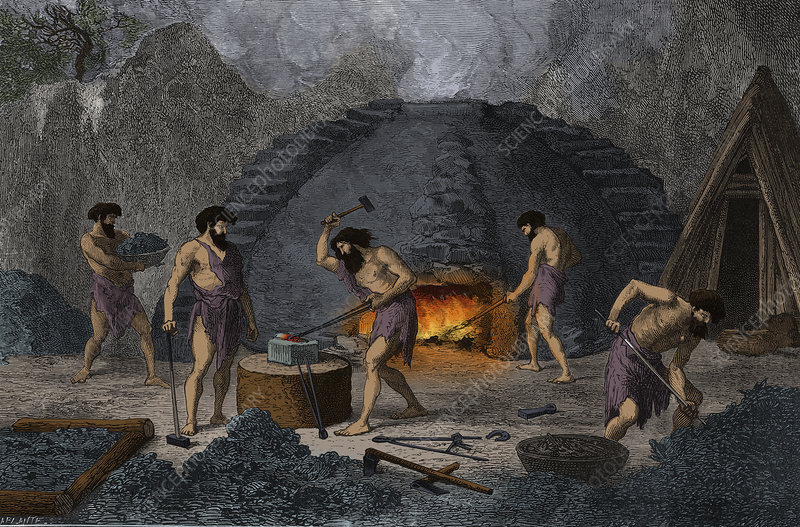
The presence of iron tools is particularly significant, as it marks a major technological shift in ancient India.
Iron technology enabled:
- More efficient agriculture and land clearing
- Production of stronger tools and weapons
- Expansion into new ecological zones
These developments contributed to the growth of stable and expanding communities.
Settlement Expansion and Social Change
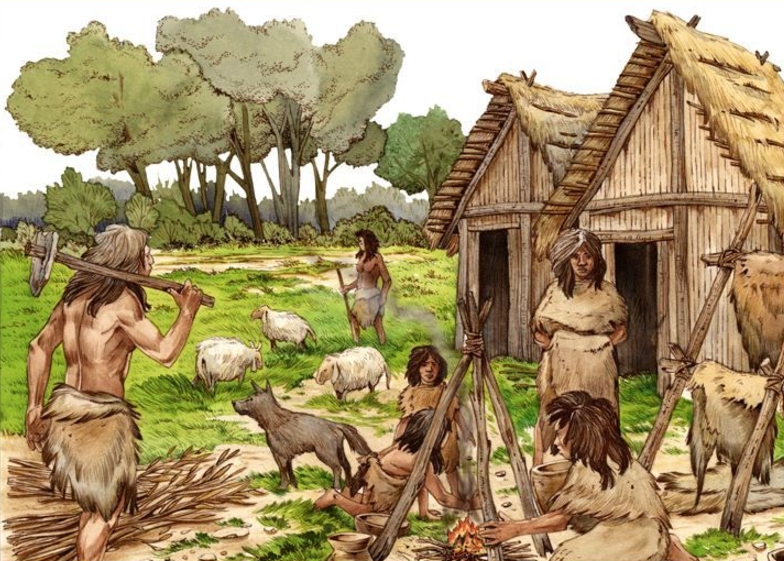
The new discoveries suggest that eastern India witnessed significant settlement expansion during the Iron Age.
This phase is associated with:
- Transition from mobile or semi-nomadic lifestyles to settled habitation
- Growth of village communities and local economies
- Increasing social organization and complexity
Such changes represent a crucial stage in the development of early historic societies in the region.
Why This Discovery Matters
These findings are important because they help archaeologists understand:
- Regional variations in the adoption of iron technology
- Patterns of settlement growth in eastern India
- The emergence of complex societies in the subcontinent
In simple terms, these discoveries show how early communities in India gradually became settled, tool-using societies with organized ways of life.
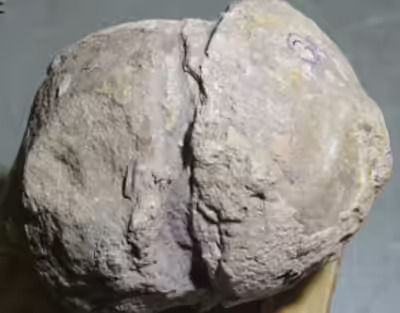
⚠️ Note: Images used are representative of Iron Age archaeological excavations and artifacts in India.