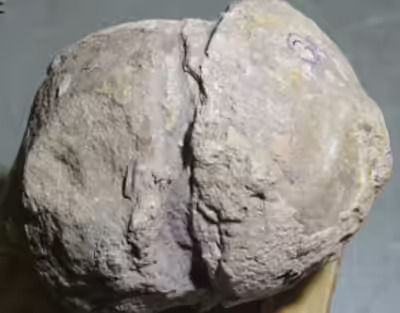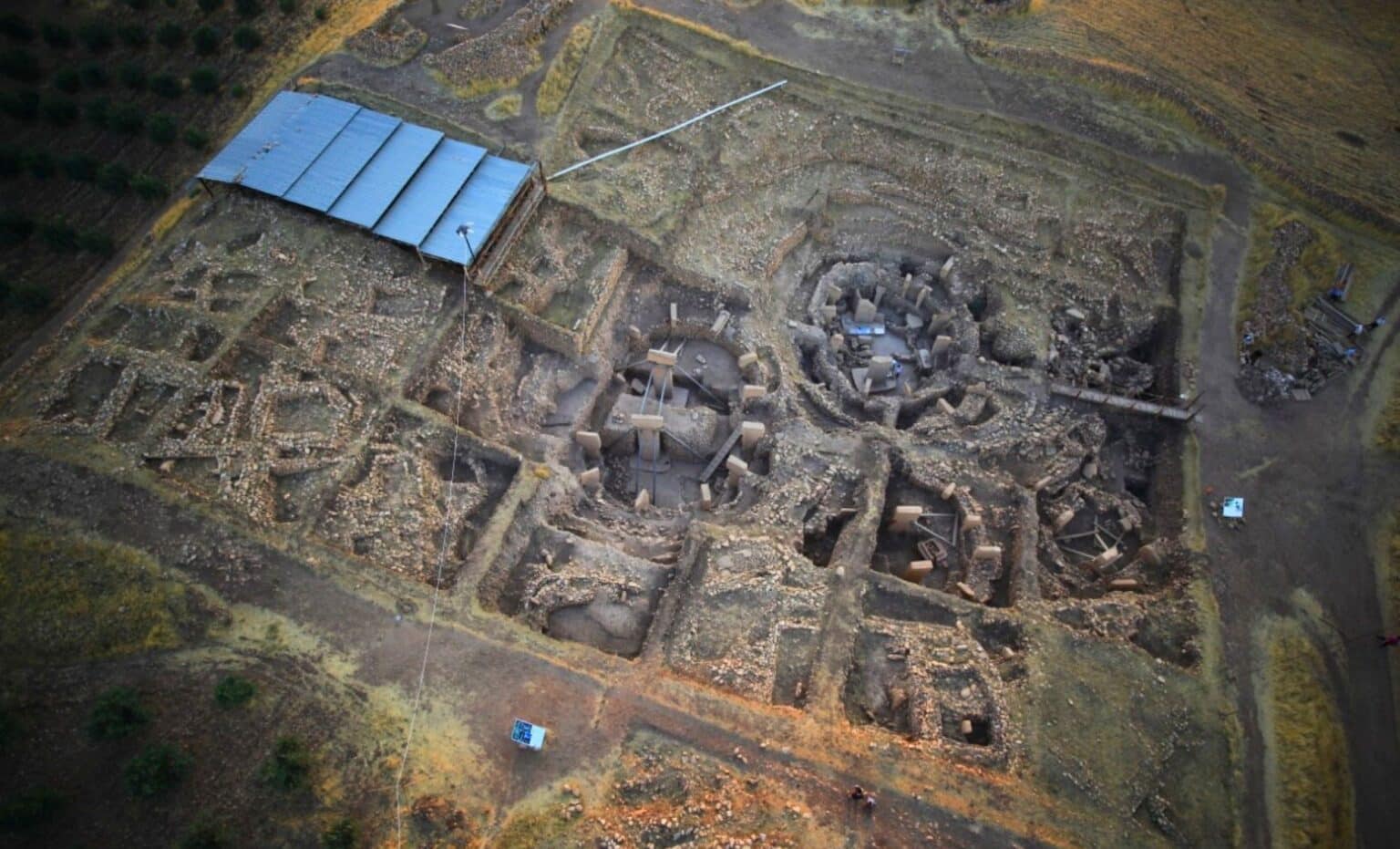

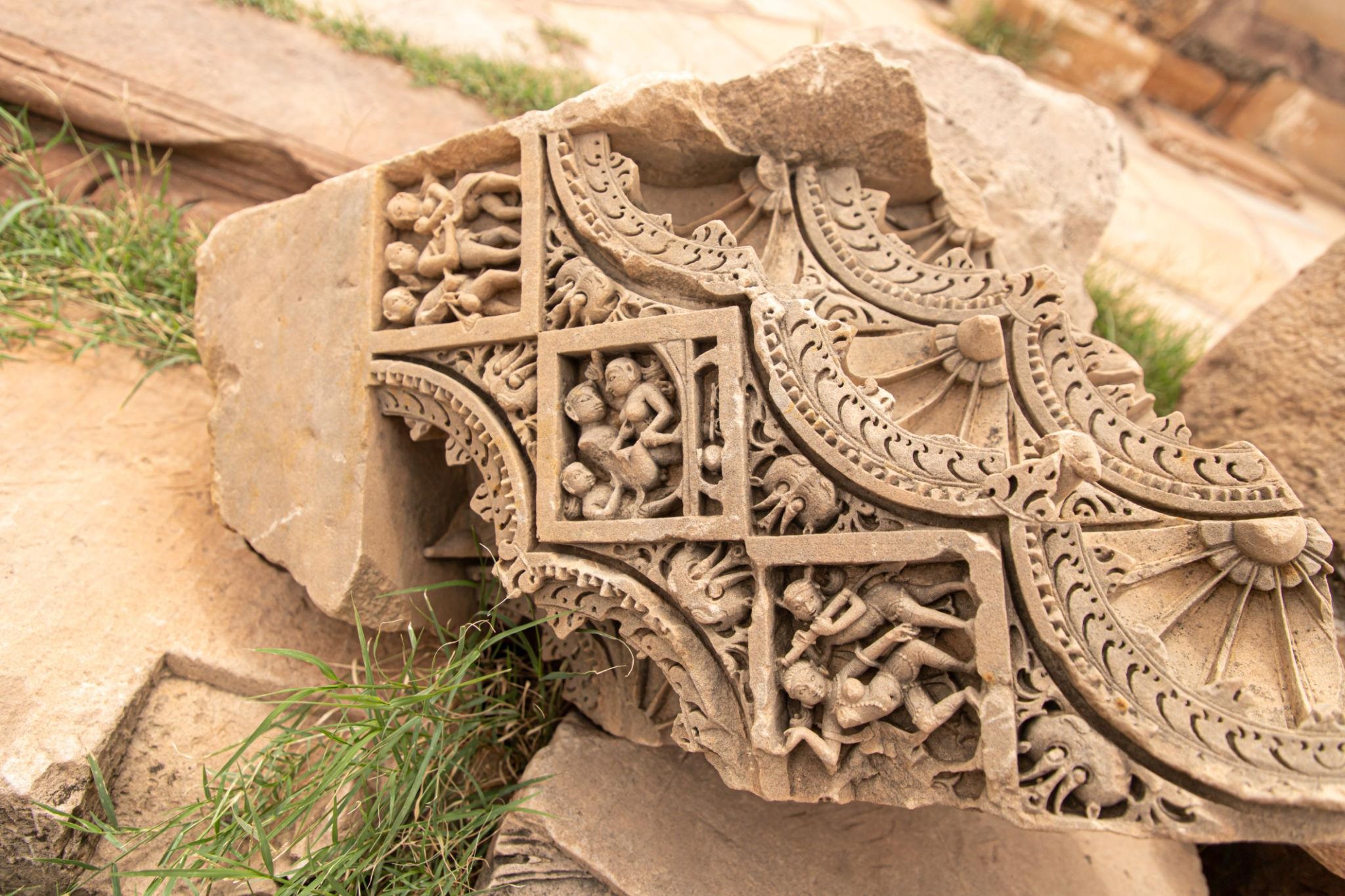
Recent excavations in parts of north India have uncovered early temple foundation remains along with sculptural fragments and carved architectural elements, offering valuable insights into the region’s religious and architectural history.
These findings suggest the presence of previously unrecorded temple structures, helping archaeologists reconstruct lost sacred landscapes and building traditions.
What Has Been Found?
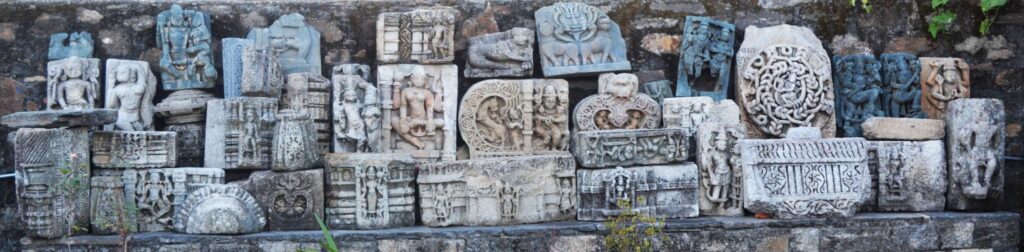
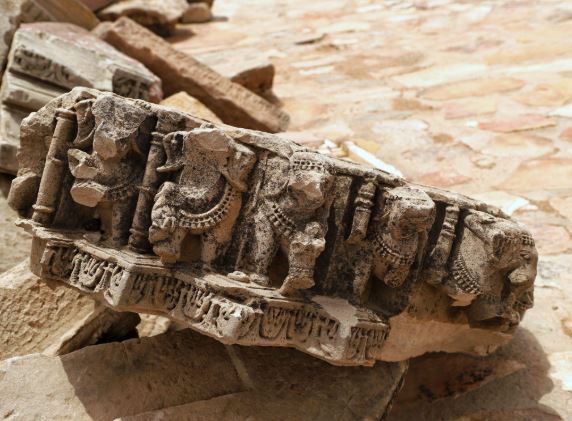
Excavations have revealed a combination of structural and artistic remains:
- Temple foundation layouts, indicating the original plan of the structure
- Sculptural fragments, possibly depicting deities or decorative motifs
- Carved architectural elements, such as pillars, bases, and panels
These remains provide clues about the design and function of early temple complexes.
Understanding Temple Architecture
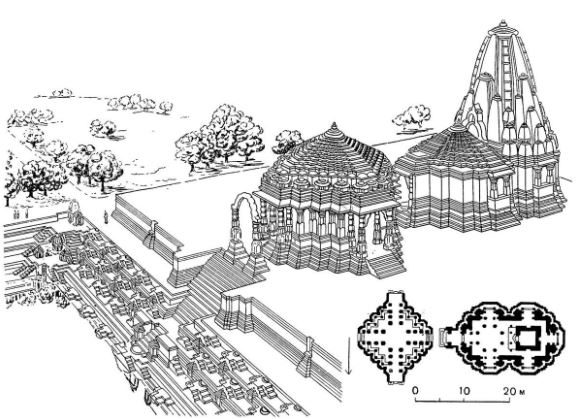
Such discoveries are important for studying regional temple architecture in north India, particularly styles like the Nagara tradition.
They help identify:
- Layout patterns such as sanctum (garbhagriha) and mandapa
- Artistic styles and iconographic features
- Evolution of regional building techniques
Patronage and Religious Landscapes
Temple remains also reflect broader social and cultural dynamics.
They provide insights into:
- Patronage systems, including rulers and local communities
- The spread of religious practices and traditions
- Development of sacred landscapes with multiple shrines
Such sites were often part of larger networks of worship and settlement.
Why This Discovery Matters
These findings are significant because they help archaeologists:
- Reconstruct lost temple structures
- Understand regional variations in architecture
- Trace the development of religious and cultural systems
In simple terms, even broken stones and fragments can help rebuild the story of ancient temples and the communities that built them.
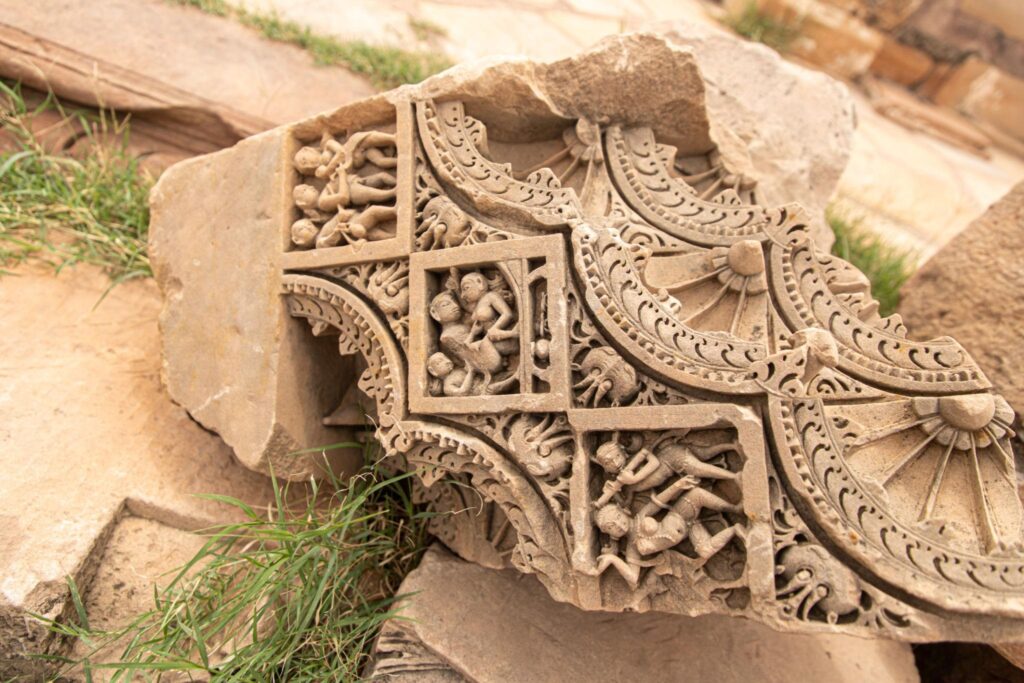
⚠️ Note: Images used are representative of temple excavations and architectural fragments in India.