
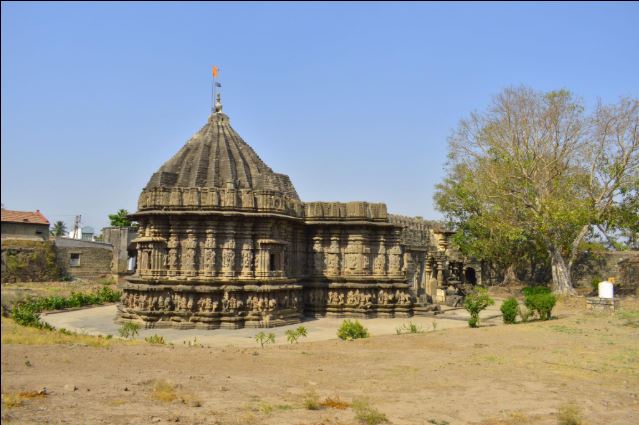
The historic Kopeshwar Temple in Maharashtra has recently become the focus of an important conservation debate after the Bombay High Court directed the Archaeological Survey of India to finalize a long-term conservation strategy for the monument.
The case highlights broader challenges in Indian heritage management, particularly the balance between:
- Tourism development
- Structural restoration
- Preservation ethics
- Protection of historical authenticity
About the Kopeshwar Temple
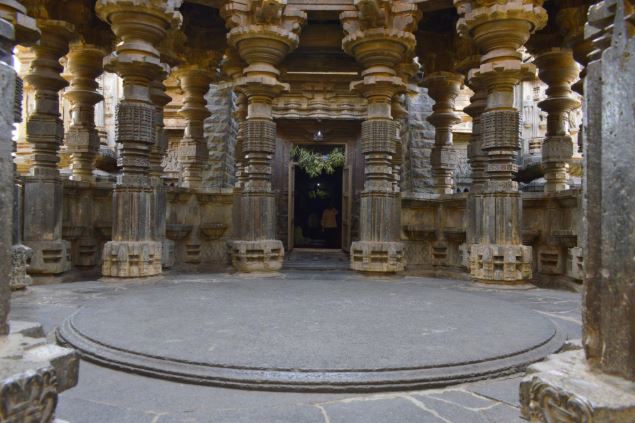
The Kopeshwar Temple, located at Khidrapur near the Maharashtra–Karnataka border, is known for:
- Intricate stone carvings
- Circular architectural elements
- Sculpted pillars and mandapas
- Medieval Deccan temple craftsmanship
The temple is generally associated with the Shilahara and later Yadava periods and represents an important example of regional temple architecture.
Conservation and Preservation Challenges
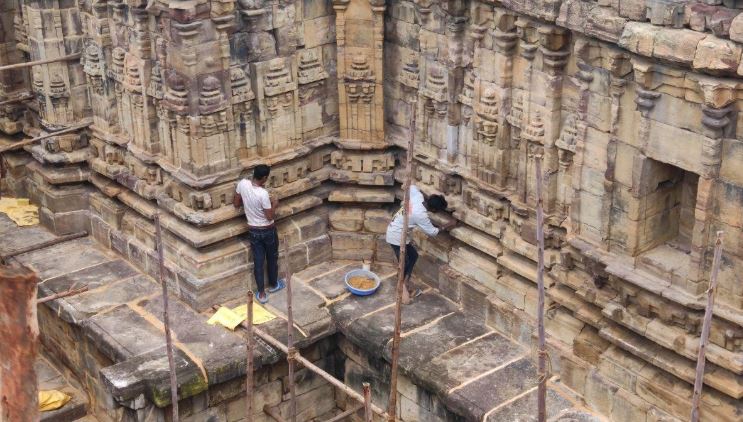
Over time, the temple has faced issues such as:
- Structural weathering
- Environmental damage
- Visitor pressure and tourism-related impact
- Need for long-term preservation planning
The debate centers on how to conserve the monument while maintaining its historical integrity.
Tourism vs Preservation Ethics
The case reflects a larger issue in Indian archaeology and heritage management:
Key Questions
- How much restoration is acceptable?
- Should damaged sections be rebuilt or preserved as they are?
- How can tourism be managed without harming fragile structures?
Conservation experts often emphasize the importance of:
- Minimal intervention
- Scientific preservation methods
- Maintaining authenticity of historic structures
Why This Debate Matters
This issue is important because it highlights how archaeology is not only about discovering monuments, but also about:
- Preserving them responsibly
- Managing heritage for future generations
- Balancing public access with protection
In simple terms, the debate asks an important question:
How do we protect ancient monuments while still allowing people to experience them?
⚠️ Note: Images used are representative of Kopeshwar Temple architecture and heritage conservation in India.