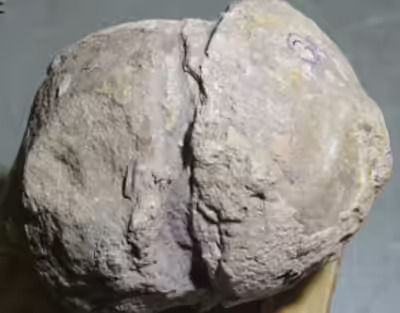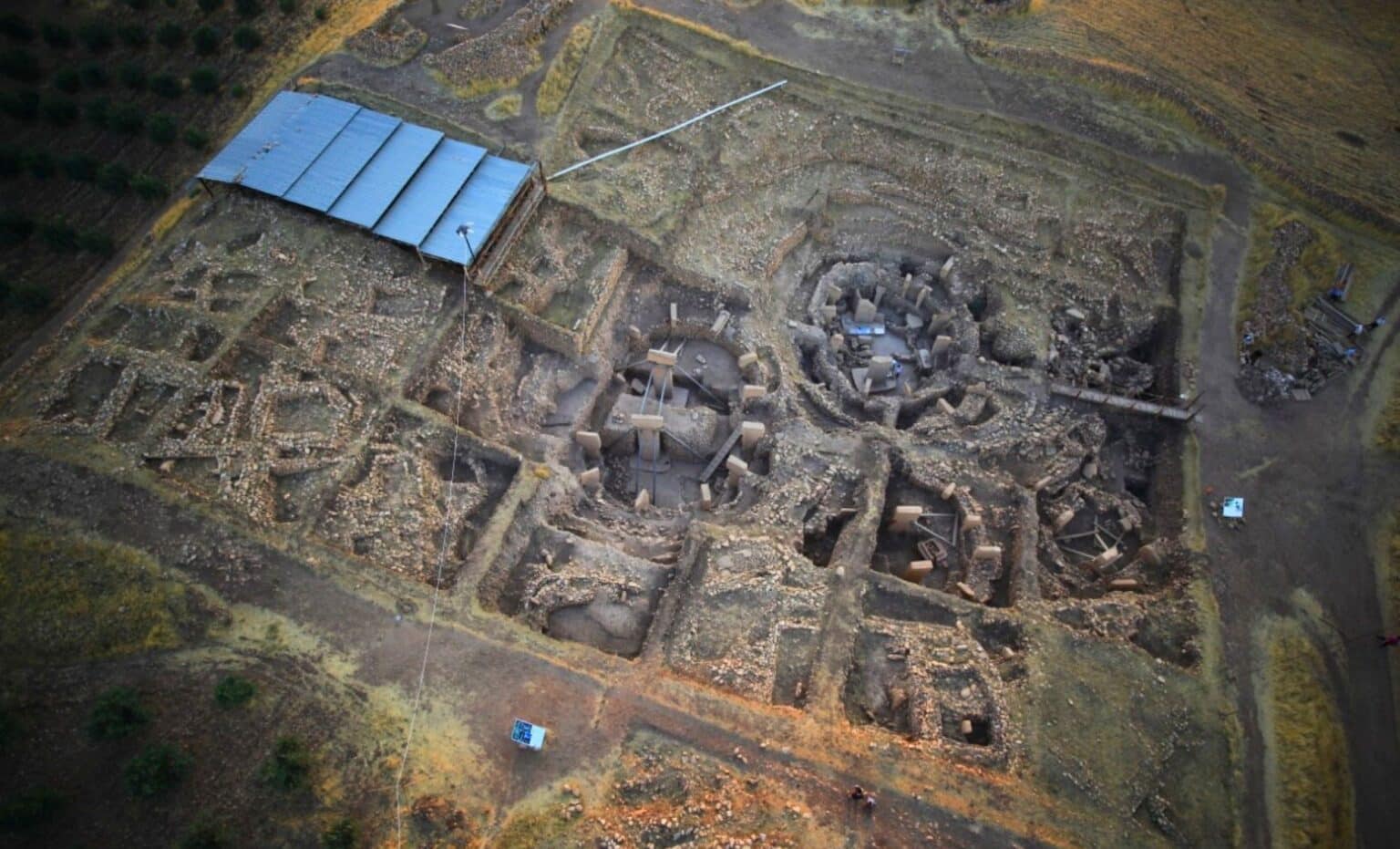

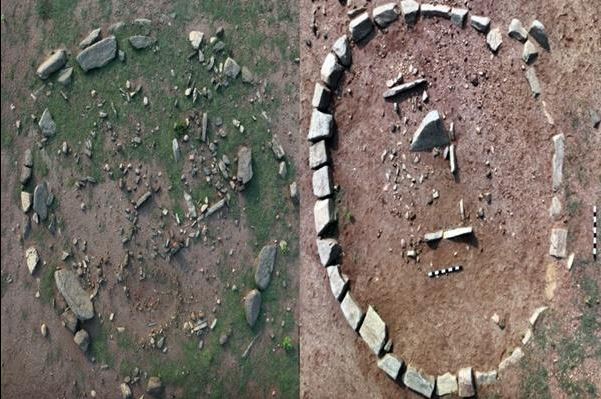
A major archaeological discovery has emerged from Kerala, where surveys conducted near Malampuzha Dam identified more than 110 megalithic structures spread across approximately 45 hectares.
The discovery includes a diverse range of megalithic monuments and is being regarded as one of Kerala’s most significant recent prehistoric finds.
Researchers believe the site represents a large Iron Age ritual and burial landscape, offering valuable insights into prehistoric society in South India
What Was Discovered?
Archaeologists documented a variety of megalithic features, including:
🪨 Stone Circles
Circular arrangements of stones often associated with burial or memorial practices.
🏛️ Dolmens
Large stone structures made from upright slabs supporting a capstone.
⚱️ Urn Burials
Large ceramic containers used for funerary purposes.
📦 Cists
Stone-lined burial chambers constructed below ground.
The diversity of monument types suggests a complex and organized ritual landscape.
Understanding Kerala’s Megalithic Tradition
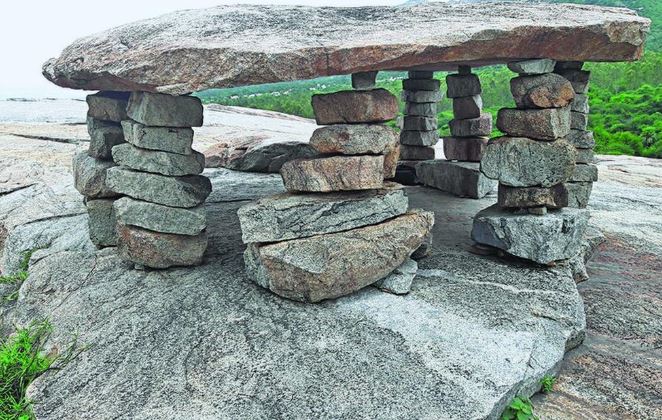
Megalithic monuments are generally associated with the Iron Age and Early Historic periods of South India.
These communities are known for:
- Iron technology
- Distinct burial traditions
- Monumental stone construction
- Organized social practices
The newly documented site demonstrates that these traditions were practiced on a much larger scale than previously recognized in this part of Kerala.
Why This Discovery Matters
The discovery is important because it may help archaeologists better understand:
- Iron Age communities in Kerala
- Burial customs and ritual practices
- Settlement patterns in the Western Ghats region
- Social organization in prehistoric South India
The scale of the site suggests that the area may have served as an important ceremonial or funerary landscape for centuries.
A Window into Iron Age Society
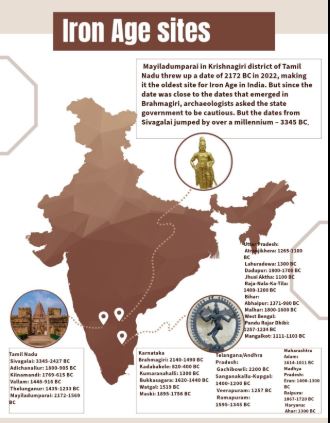
For the general public, the discovery is remarkable because it reveals that communities living in Kerala more than two thousand years ago created extensive stone monuments that still survive across the landscape today.
What appears to be a quiet hillside near Malampuzha may actually preserve one of the largest prehistoric ritual landscapes identified in Kerala in recent years.
Key Facts
📍 Location: Near Malampuzha Dam, Palakkad District, Kerala
🪨 Structures Identified: More than 110
📏 Area Covered: Approximately 45 hectares
⚱️ Monument Types: Dolmens, Cists, Urn Burials, Stone Circles
🏺 Period: Iron Age / Megalithic Tradition