
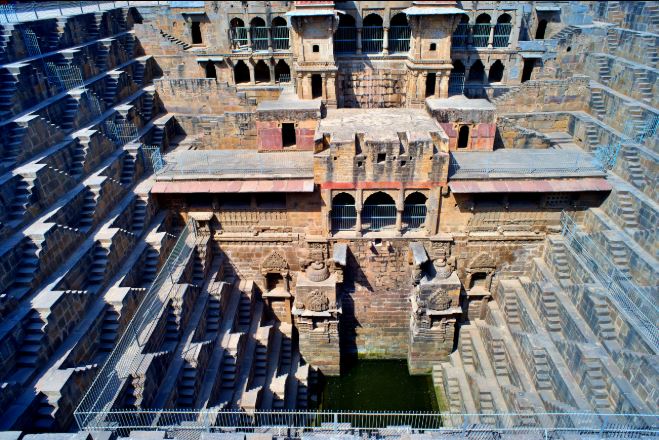
Archaeologists and heritage teams are documenting stepwell structures and associated temple remains across western India, particularly in regions like Gujarat and Rajasthan.
These efforts focus on architectural study, preservation, and conservation, highlighting the importance of stepwells as both functional water systems and sacred spaces in medieval India.
What Are Stepwells?
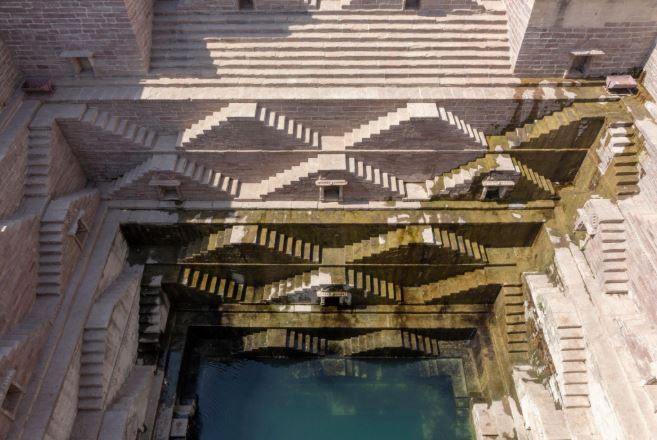
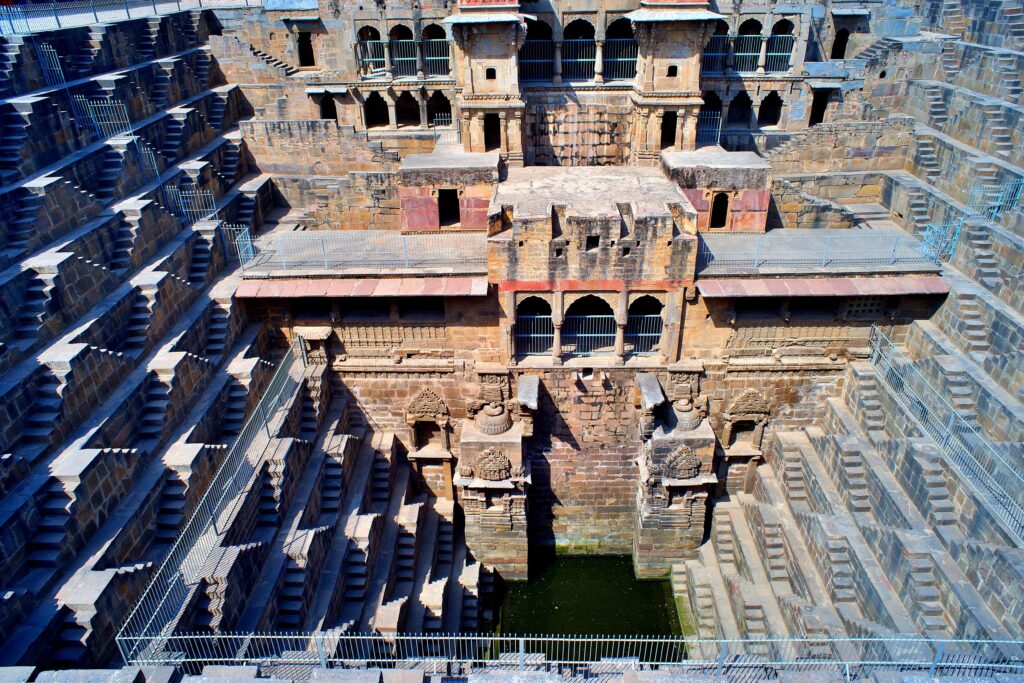
Stepwells, also known as baolis or vavs, are engineered water storage systems designed to collect and conserve groundwater.
Key features include:
- Stepped access leading down to water levels
- Multi-level pavilions and corridors
- Intricate stone carvings and architectural detailing
They served both practical and cultural purposes, especially in arid regions.
Association with Temples and Ritual Spaces
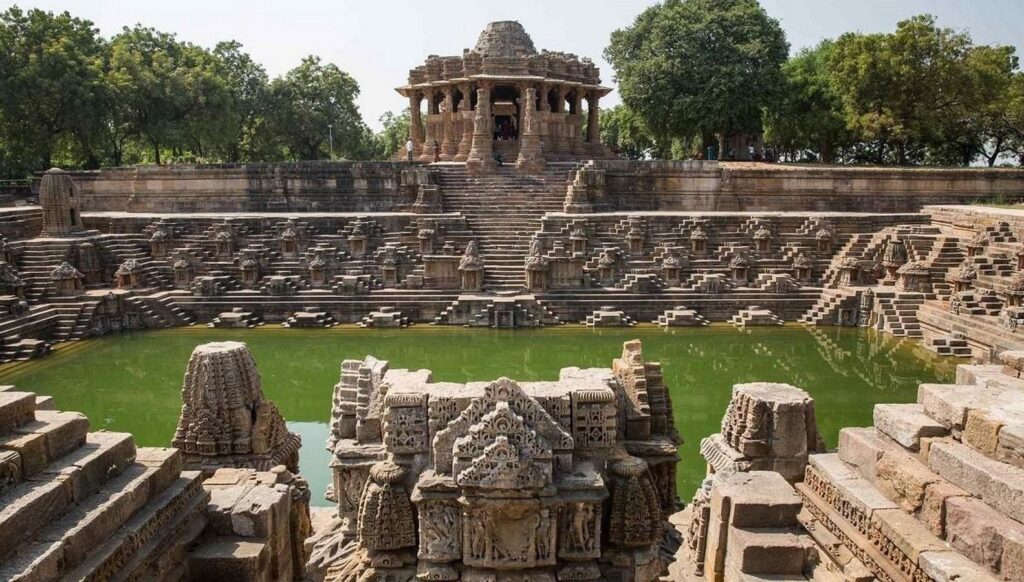
Many stepwells were closely associated with temple complexes and religious practices.
They functioned as:
- Sites for ritual bathing and purification
- Gathering places for pilgrims and communities
- Integrated parts of sacred architectural landscapes
This connection highlights the blend of utility and spirituality in medieval Indian architecture.
Architectural and Cultural Significance
Stepwells represent some of the most sophisticated architectural achievements of medieval India.
They demonstrate:
- Advanced knowledge of hydrology and engineering
- Regional styles of stone architecture and ornamentation
- The integration of art, religion, and daily life
Famous examples like Rani ki Vav and Adalaj Stepwell illustrate the richness of this tradition.
Why Documentation Matters
Many stepwells today face threats from:
- Neglect and environmental damage
- Urban development and encroachment
- Loss of traditional knowledge about their use
Ongoing documentation and conservation efforts aim to:
- Preserve these structures for future generations
- Study their engineering and cultural significance
- Promote awareness of India’s water heritage
Conclusion
The renewed focus on stepwells and associated temple remains highlights their importance as more than just water structures.
They are:
- Architectural marvels
- Cultural and religious spaces
- Vital records of medieval water management systems
In simple terms, stepwells are a reminder of how ancient communities combined engineering, art, and spirituality to adapt to their environment.
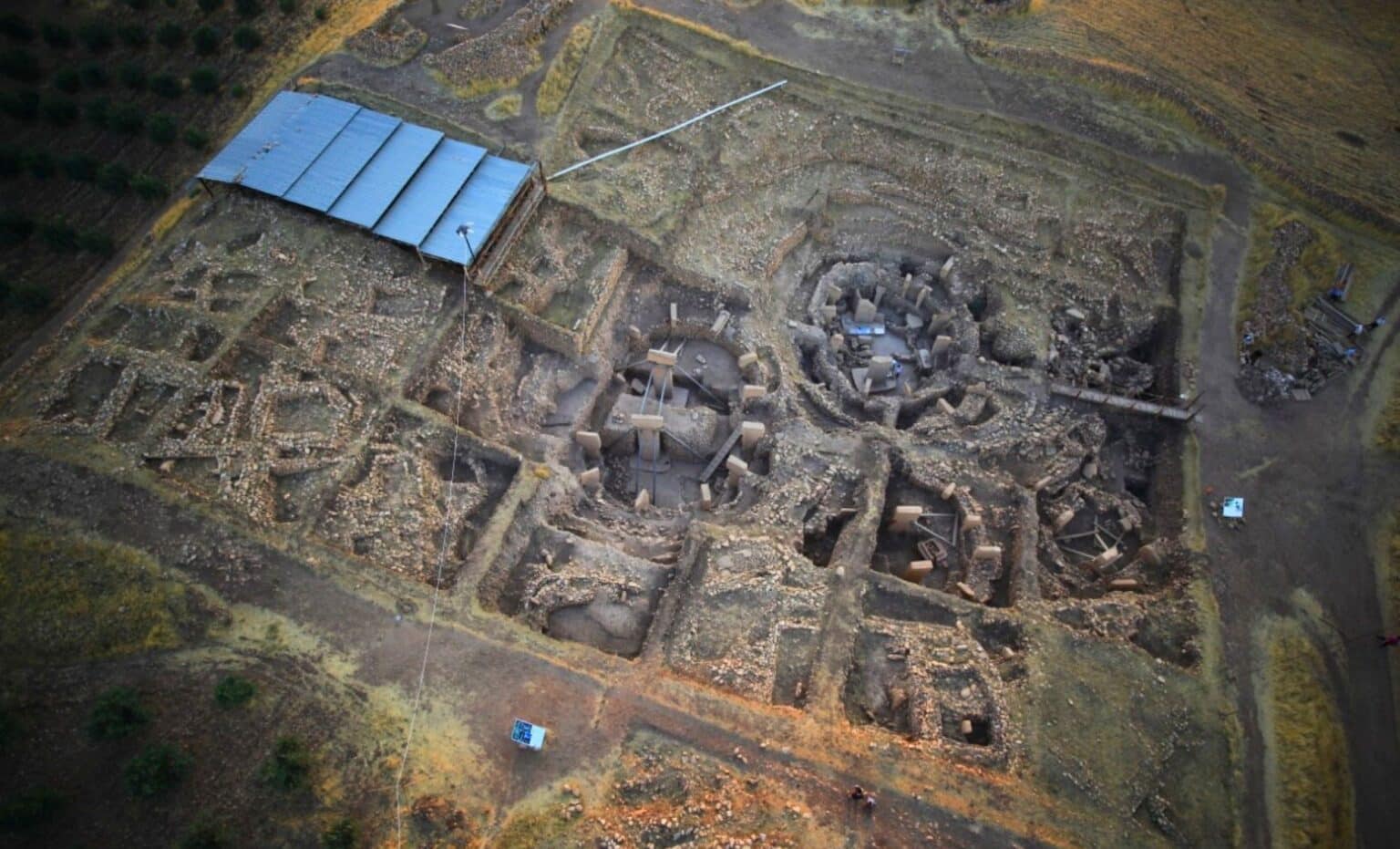
⚠️ Note: Images used are representative of stepwells and temple-associated water structures in western India.