
A remarkable archaeological discovery has added a new chapter to the history of Elephanta Island, historically known as Gharapuri.
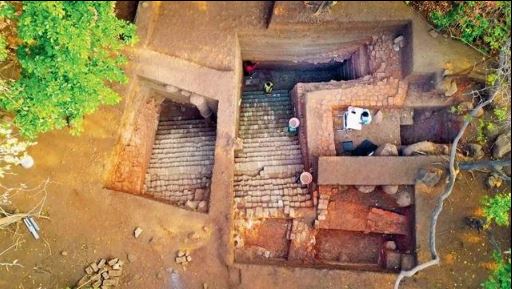
During recent conservation and archaeological documentation, researchers identified a 1,500-year-old rock-cut stepped reservoir, highlighting the sophisticated water management systems that supported life on the island during the early medieval period.
The discovery demonstrates that Gharapuri was not only a religious center but also a carefully planned settlement equipped with advanced hydraulic infrastructure.
The Newly Documented Reservoir
The newly documented structure consists of a rock-cut stepped reservoir carved directly into the basalt bedrock of the island.
Archaeologists observed:
- Carefully carved stone steps
- A deep water storage chamber
- Rock-cut retaining walls
- Sophisticated rainwater collection design
The engineering reflects careful planning to ensure a reliable freshwater supply throughout the year.
Why Was the Reservoir Built?
Unlike mainland settlements, islands depend heavily on seasonal rainfall.
The stepped reservoir likely served several purposes:
- Collecting monsoon rainwater
- Providing drinking water
- Supporting pilgrims and temple residents
- Supplying water for rituals and daily activities
Its design reflects a sophisticated understanding of water conservation centuries before modern infrastructure.
More Than Just the Famous Caves
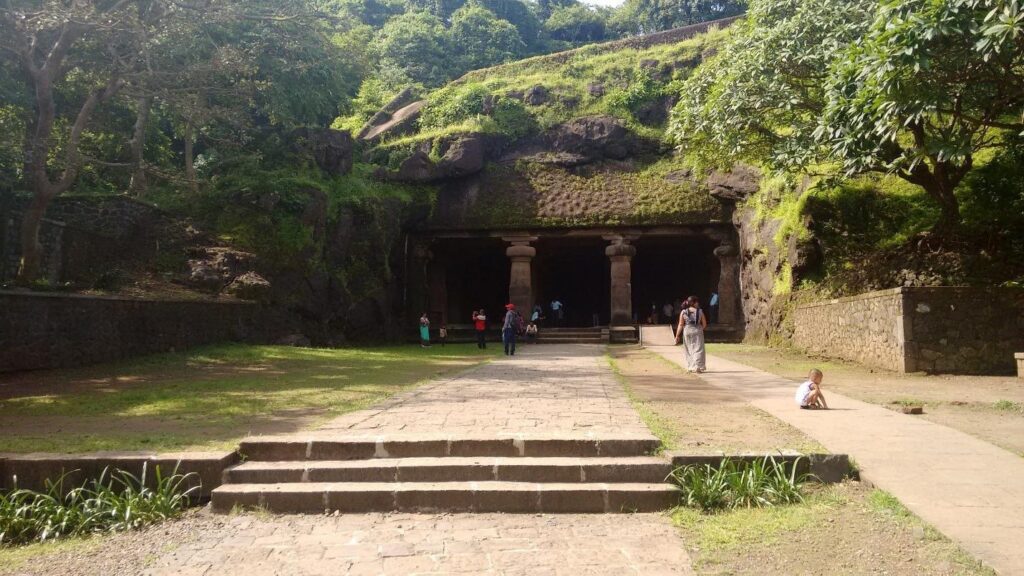
Elephanta Island is best known for its magnificent rock-cut cave temples dedicated primarily to Lord Shiva.
However, discoveries like this stepped reservoir reveal another side of Gharapuri—its practical infrastructure.
Ancient settlements required more than temples. They needed dependable water systems, pathways, storage facilities, and other civic features to support daily life.
Why This Discovery Matters
For archaeologists, the discovery is significant because it expands our understanding of settlement planning at Gharapuri.
It helps researchers investigate:
- Early hydraulic engineering
- Water management technologies
- Settlement sustainability
- The relationship between sacred architecture and civic infrastructure
Rather than viewing Elephanta only as a temple complex, archaeologists increasingly see it as a thriving island settlement with sophisticated planning.
A Hidden Engineering Achievement
The newly documented stepped reservoir reminds us that ancient India’s greatest achievements were not limited to monumental temples and sculptures.
Behind every great religious complex was an equally important network of practical infrastructure that sustained everyday life.
The discovery at Gharapuri offers a rare glimpse into how people managed one of the island’s most precious resources—fresh water—around 1,500 years ago.
Key Facts
📍 Location: Gharapuri (Elephanta Island), Maharashtra
🏛️ Age: Approximately 1,500 years
💧 Discovery: Rock-cut stepped reservoir
🌧️ Purpose: Rainwater harvesting and freshwater storage
🔍 Importance: Ancient hydraulic engineering and settlement planning