
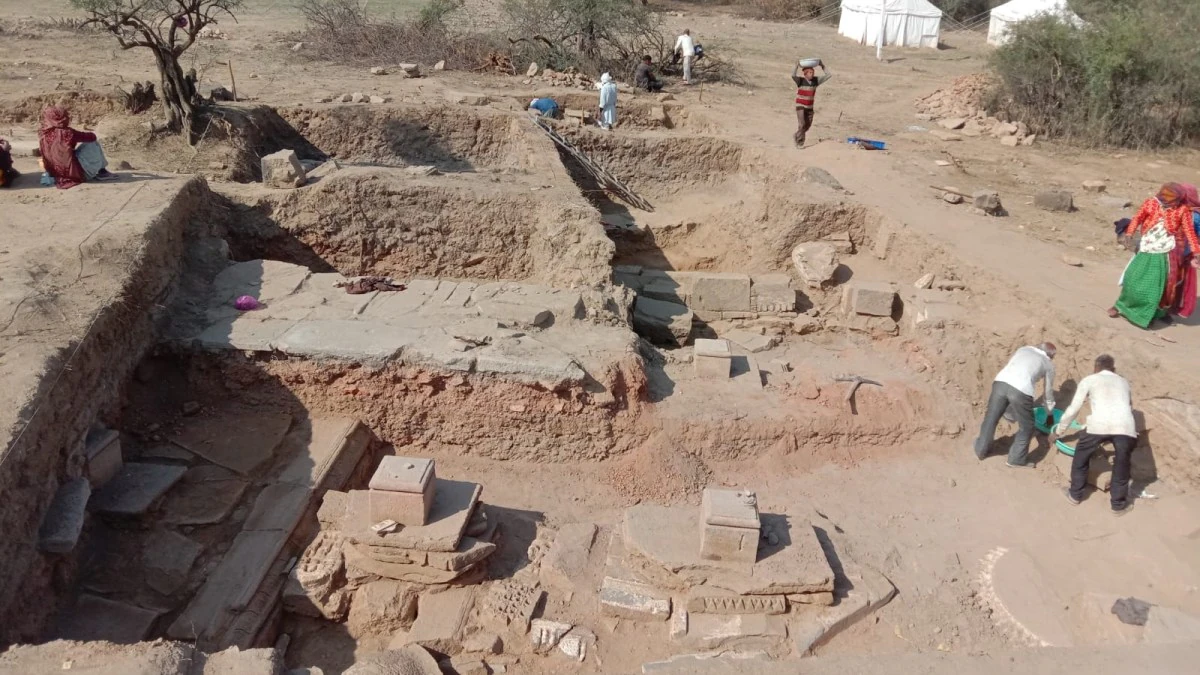
Excavations at a mound locally known as Reeḍh ka Tila in Rajasthan have revealed evidence of a medieval religious complex dating to approximately the 10th–12th centuries CE.
Archaeologists have uncovered stone idols, temple architectural fragments, pottery, terracotta objects, and metal tools, indicating that the site was once a significant religious and settlement center, rather than a single isolated shrine.
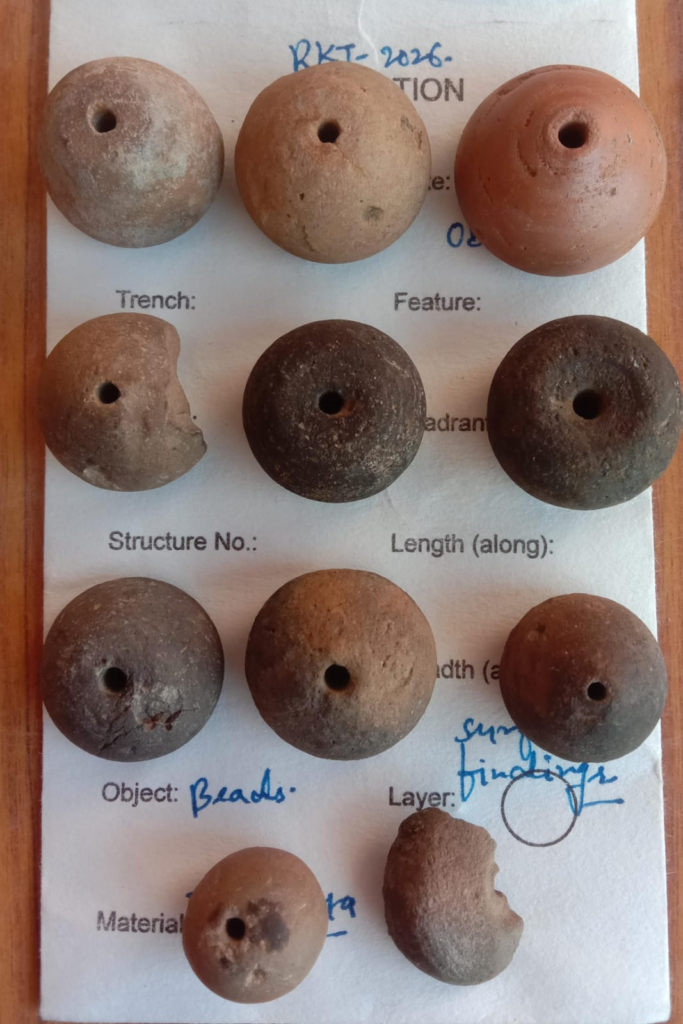
Archaeological Discoveries at the Site
The excavation has yielded a diverse range of artifacts:
- Stone idol fragments indicating temple worship
- Architectural components such as carved pillars and structural blocks
- Pottery and terracotta objects suggesting daily life and ritual use
- Metal tools, possibly linked to both domestic and temple activities
This combination of finds reflects a multi-functional site with both religious and residential activity.
Evidence of a Sacred Settlement
Archaeologists interpret the site as a sacred settlement, not just a single temple.
Such sites typically include:
- Multiple shrines or temple structures
- Areas for ritual activity and pilgrimage
- Evidence of residential and craft activity
This pattern is consistent with early medieval temple networks in northern India, where religious centers often developed into active community hubs.
Historical Context (10th–12th Century CE)
The period between the 10th and 12th centuries CE was marked by the expansion of temple construction and religious patronage across northern India.
During this time:
- Temples served as religious, economic, and social centers
- Settlements often grew around important pilgrimage sites
- Artistic traditions flourished, producing detailed stone sculptures and carvings
The findings at Reeḍh ka Tila fit well within this broader historical pattern.
Why This Discovery Matters
The excavation highlights how seemingly ordinary mounds can preserve complex historical landscapes.
This discovery suggests that:
- Reeḍh ka Tila may have been a major regional religious center
- The site likely supported both pilgrims and local communities
- Further excavation could reveal a larger temple complex beneath the surface
In simple terms, what appeared to be a quiet mound may once have been a bustling medieval temple complex.
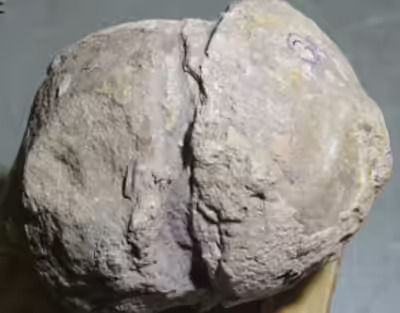
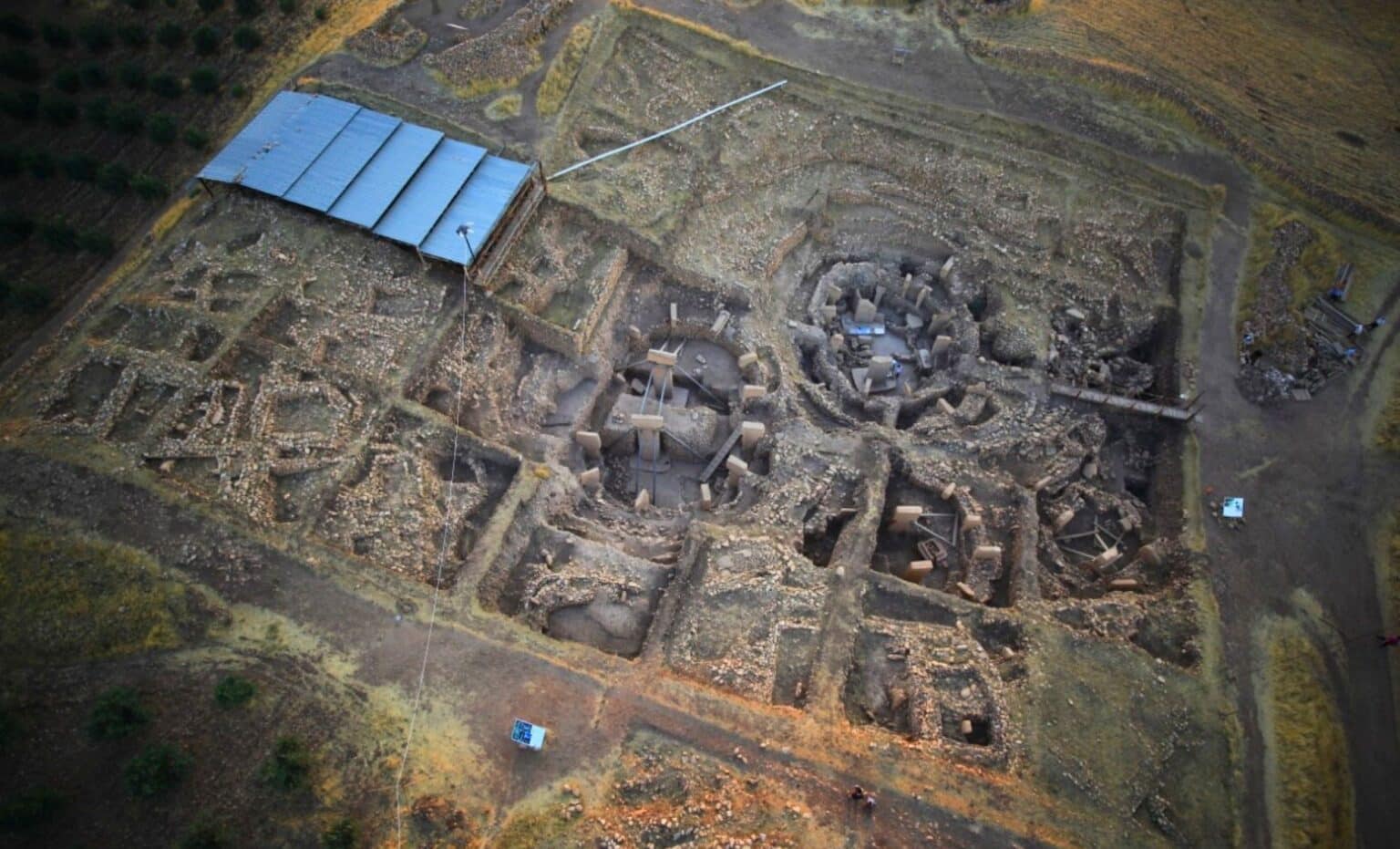
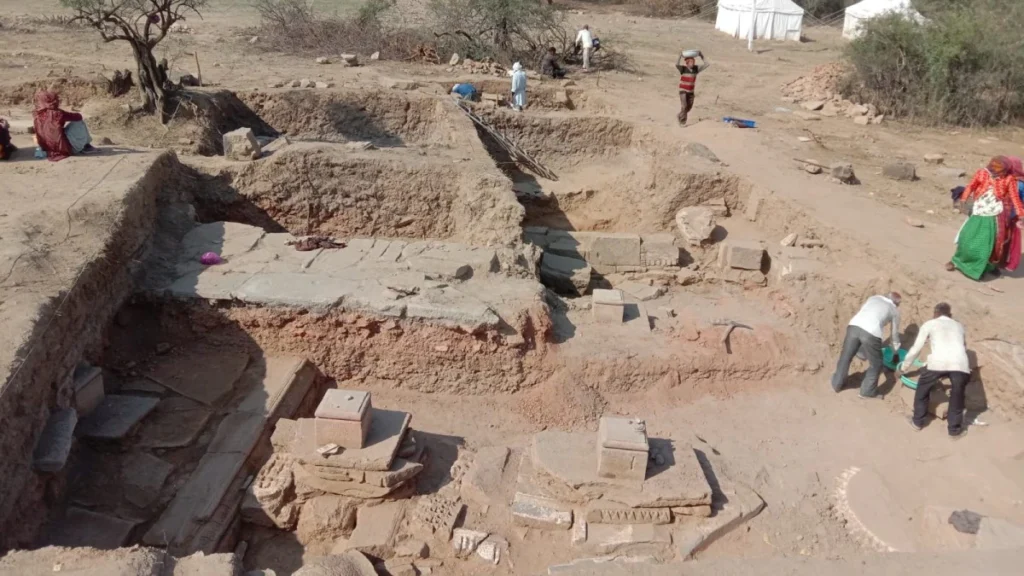
⚠️ Note: Images used are representative of medieval temple architecture and archaeological finds from Rajasthan