
Recent heritage discussions have brought renewed attention to the early excavation history of Sarnath, located in Uttar Pradesh.
In particular, scholars are highlighting the overlooked contribution of Babu Jagat Singh, whose role in initiating early excavations is now receiving greater recognition.
This development reflects an important shift in archaeology — not only studying ancient remains, but also re-examining the history of archaeological research itself.
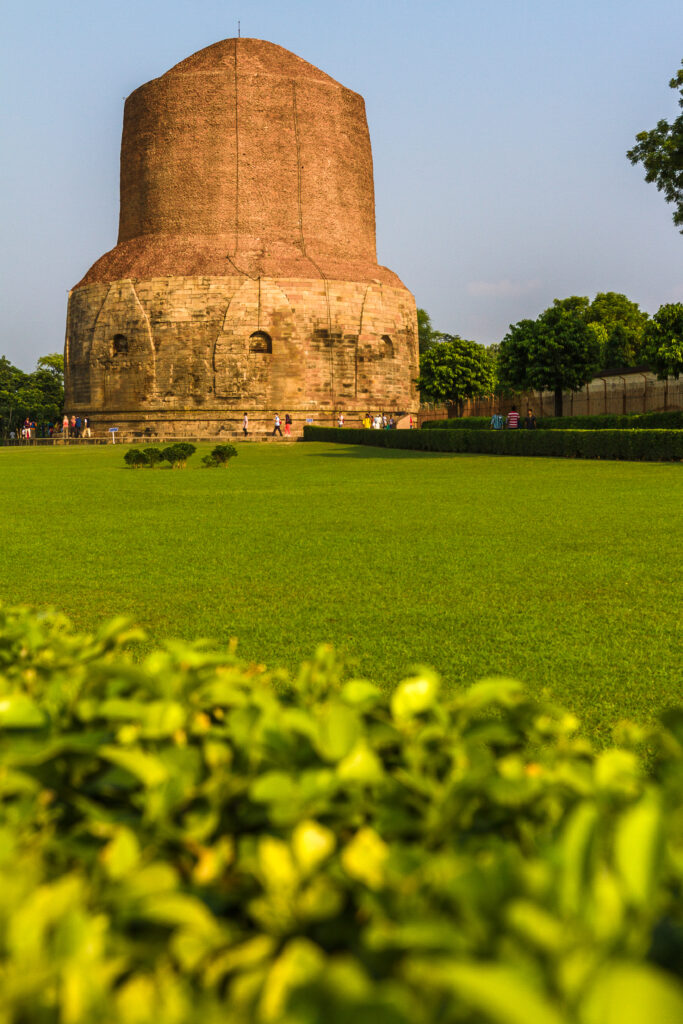
Sarnath: A Key Archaeological Site
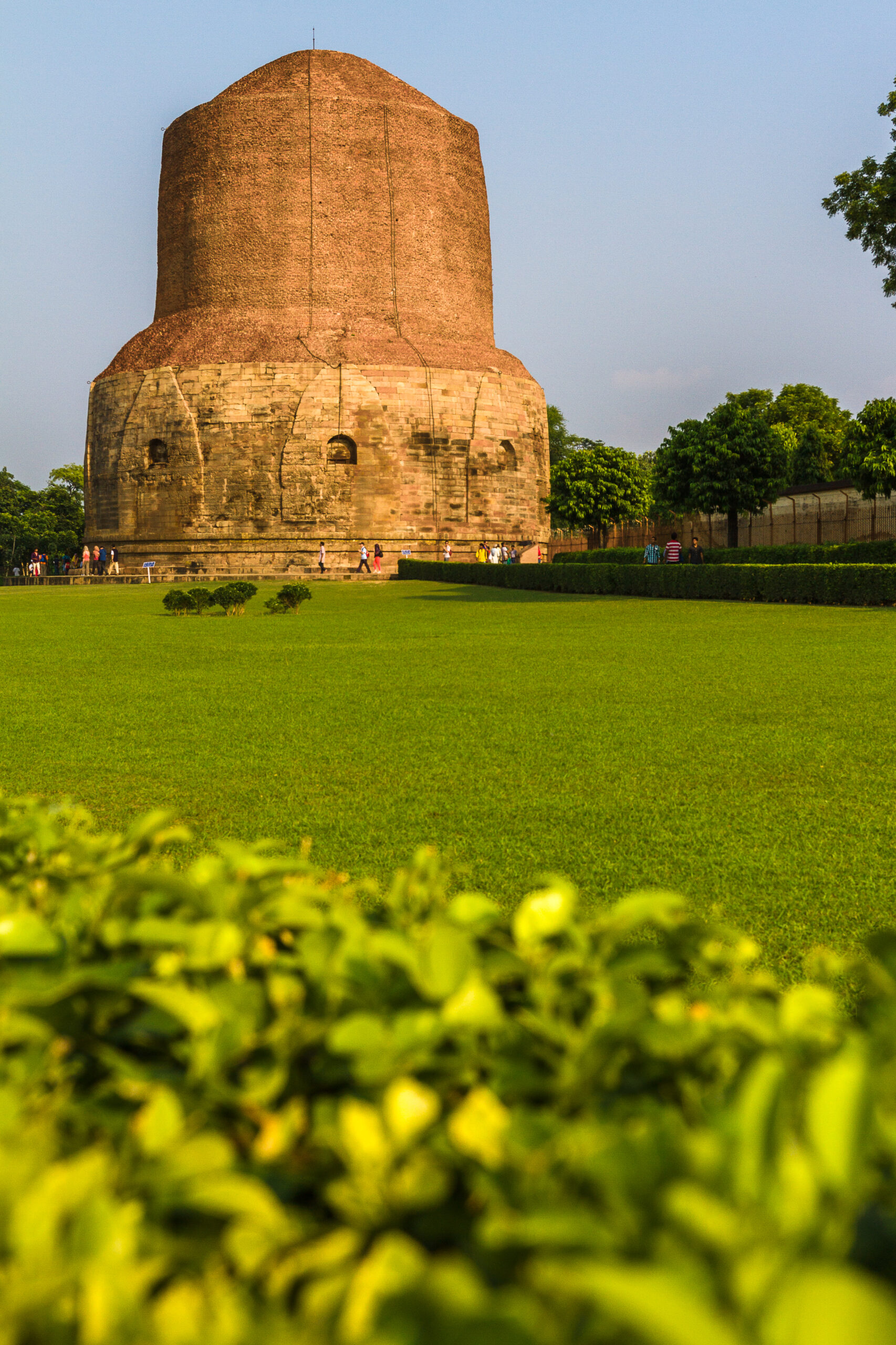
Sarnath is one of the most important Buddhist sites in India. It is traditionally associated with Gautama Buddha, who is believed to have delivered his first sermon here.
The site includes:
- The Dhamek Stupa
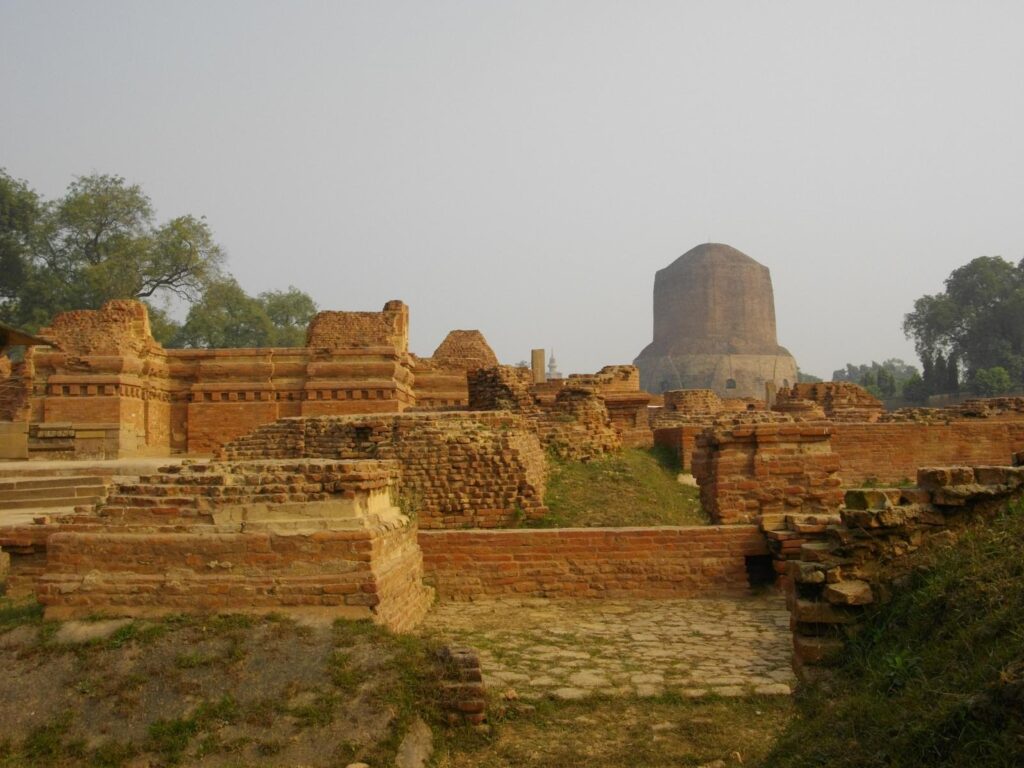
- Monastic ruins and temples
- The famous Ashokan pillar and lion capital
Archaeological excavations at Sarnath have played a crucial role in reconstructing the history of Buddhist architecture and early Indian religious traditions.
Re-evaluating Early Excavations
Traditionally, the history of excavations at Sarnath has focused on well-documented colonial-era archaeologists. However, recent discussions emphasize that local contributors also played significant roles in initiating and supporting early excavation activities.
The recognition of Babu Jagat Singh highlights the importance of:
- Revisiting historical records
- Identifying overlooked contributors
- Understanding how archaeological knowledge was first developed
Why Historiography Matters in Archaeology
Historiography refers to the study of how history is written and interpreted.
In archaeology, this means:
- Examining who conducted early excavations
- Understanding how interpretations were formed
- Recognizing contributions that may have been ignored or underrepresented
Such work ensures that archaeology remains a balanced and inclusive discipline.
Why This Update Is Important
The renewed recognition of Babu Jagat Singh’s role demonstrates that archaeology is not just about discovering ancient artefacts, but also about reassessing the narratives of research itself.
This update reminds us that:
- Many contributors to archaeological work remain unrecognized
- Historical narratives can evolve with new research
- Archaeology is a continuously developing field of study
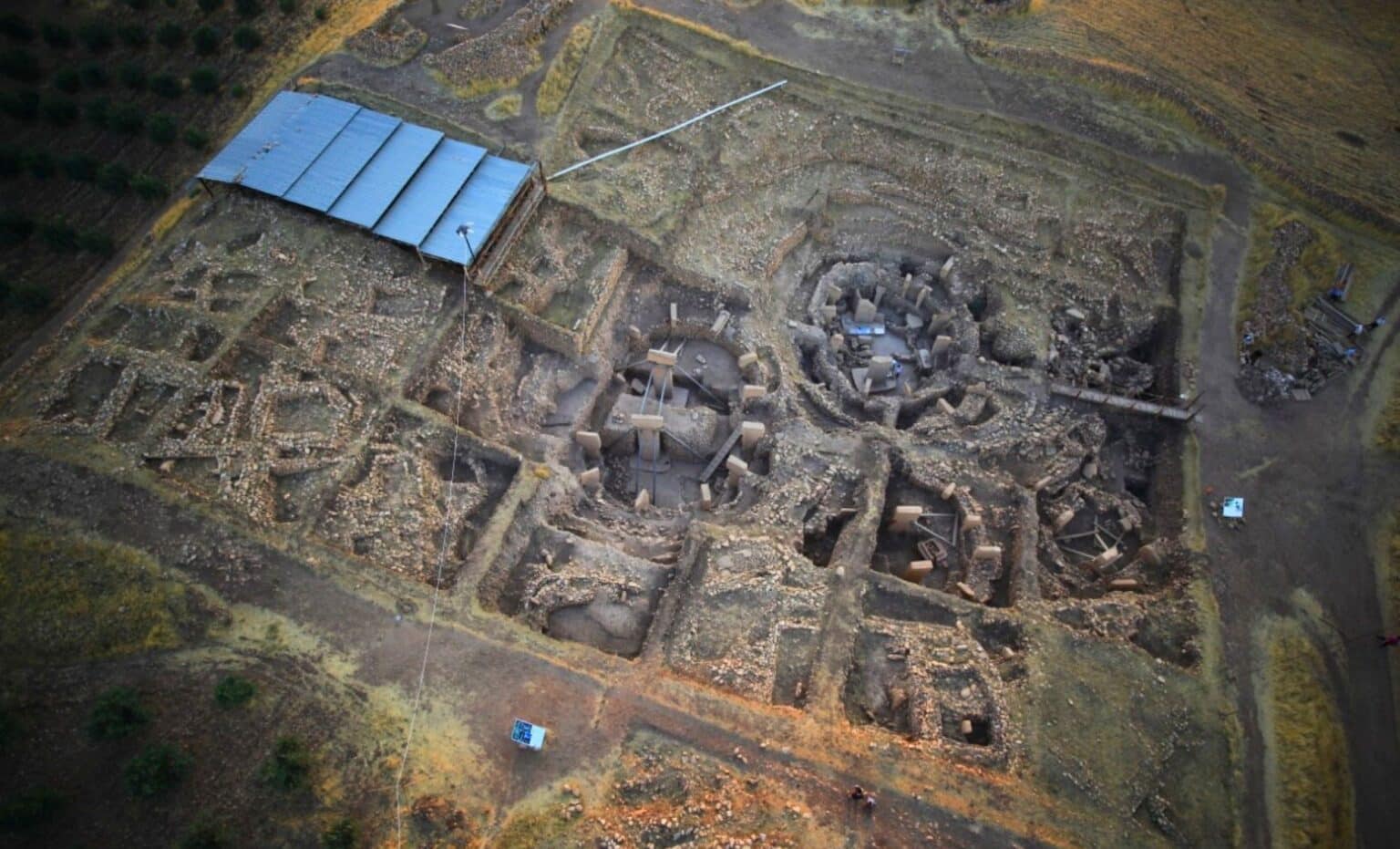
⚠️ Note: Images used are representative of Sarnath and archaeological research contexts.