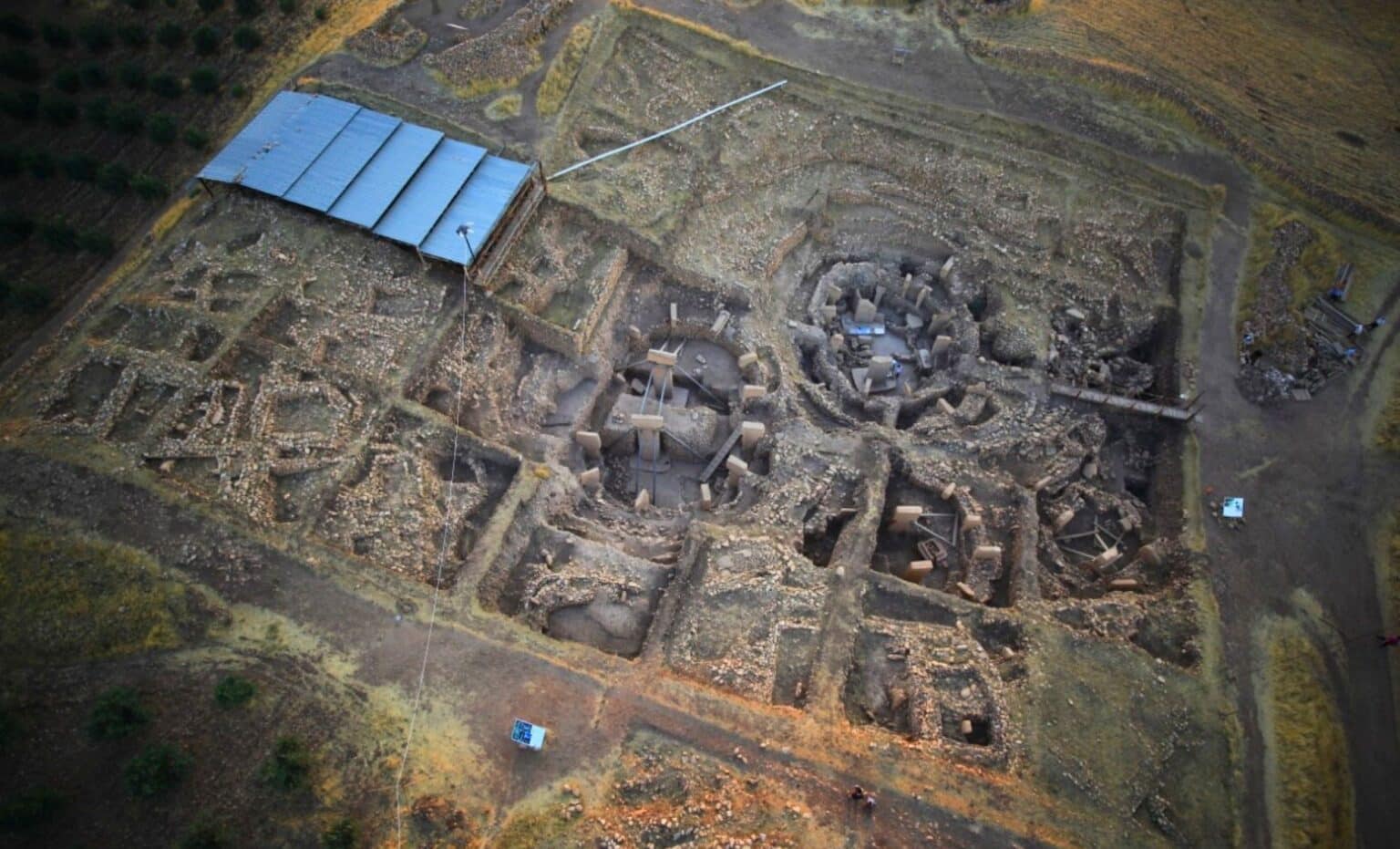


Researchers are drawing renewed attention to the archaeological potential of the Aravalli Hills, particularly across Delhi and Haryana.
Long regarded primarily as a natural green belt, the Aravalli landscape is now being re-evaluated as a potential prehistoric occupation zone, with evidence suggesting Stone Age human activity and long-term habitation.
The Aravalli range is among the oldest geological formations in South Asia, dating back billions of years.
Its terrain features:
- Quartzite rock formations
- Natural water sources and seasonal streams
- Elevated ridges and sheltered zones
Such environments are known to have been favorable for early human survival and movement.
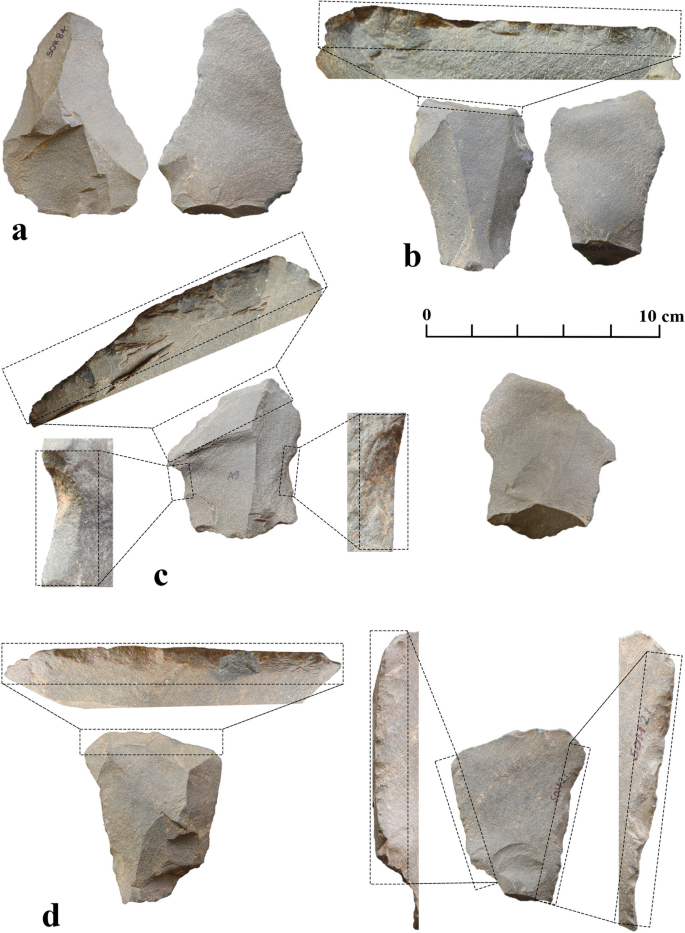
Evidence of Prehistoric Activity
Preliminary surveys and past findings in the region suggest:
- Presence of Stone Age tools, including flakes and cores
- Potential rock shelters used by early humans
- Evidence of paleo-landscape occupation patterns
These indicators suggest that the Aravallis may preserve a continuous record of prehistoric human activity.
A Corridor for Early Human Settlement
Scholars propose that the Aravalli hills may have functioned as a natural corridor for early human settlement.
Key reasons include:
- Access to water and raw materials
- Natural shelter in rocky terrain
- Strategic location between plains and uplands
This makes the region crucial for understanding human migration and settlement patterns in northern India.
Why This Matters Today
Today, the Aravalli hills are often seen as a shrinking ecological zone near urban centers.
However, archaeologically, they may represent:
- A hidden prehistoric archive
- One of the earliest human landscapes in North India
- A region requiring both ecological and archaeological conservation
In simple terms, the rocky hills around Delhi may not just be natural terrain — they could be silent witnesses to thousands of years of human history.

⚠️ Note: Images used are representative of the Aravalli landscape and prehistoric contexts.