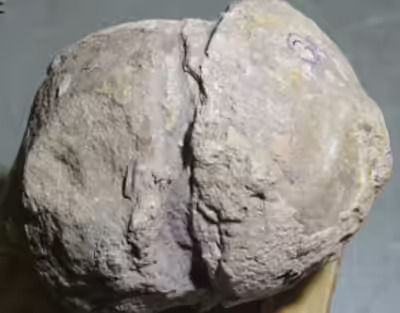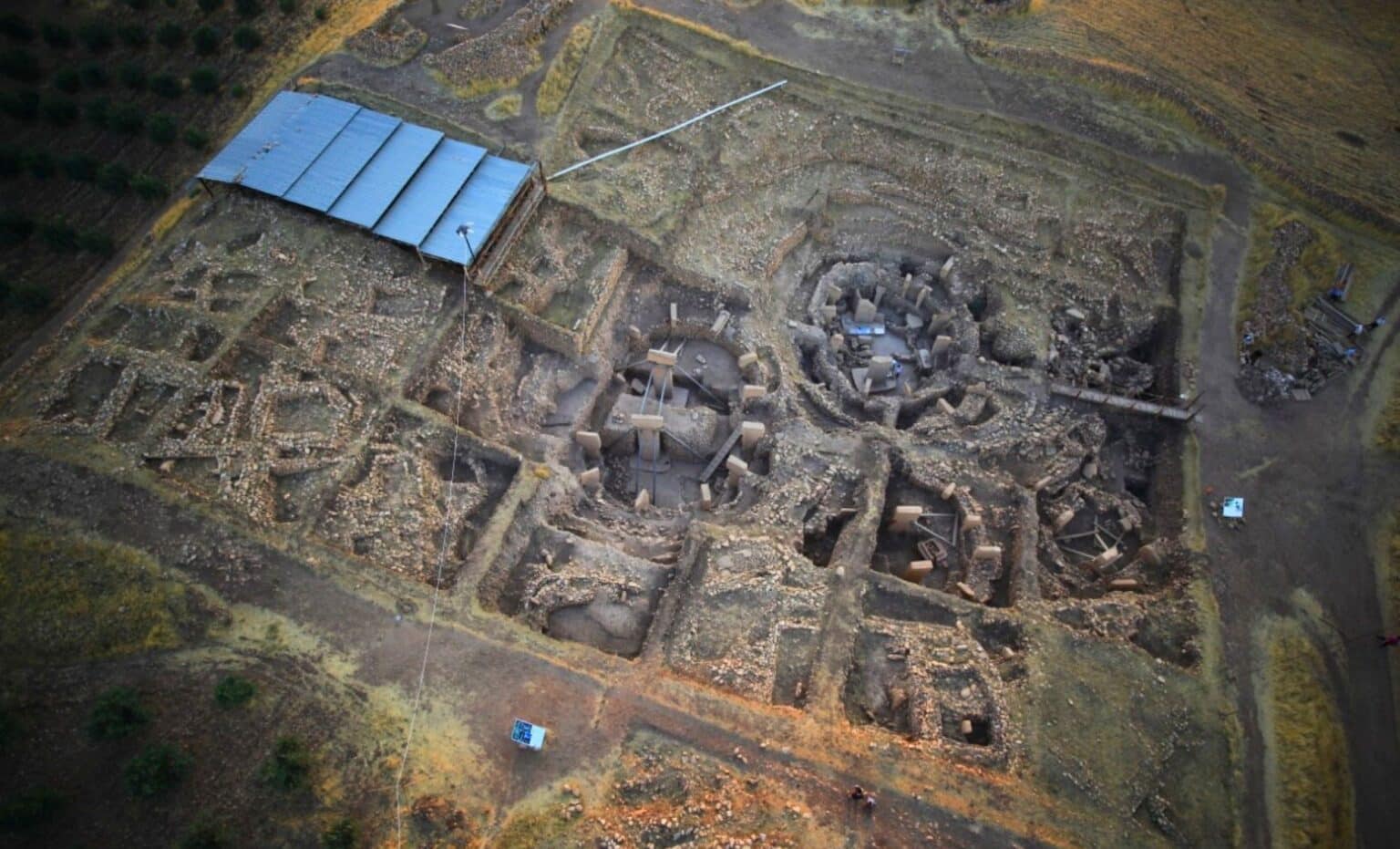

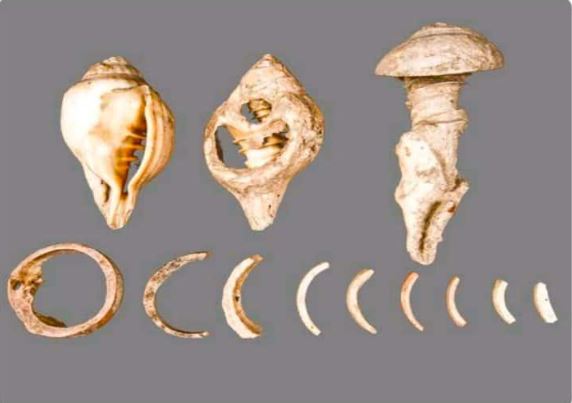
A major archaeological discovery at Pattanamarudur in Thoothukudi district, Tamil Nadu, is providing new evidence for large-scale shell processing and craft production along the Gulf of Mannar.
Excavations conducted by the Tamil Nadu State Department of Archaeology have revealed extensive evidence of shell-working, including large quantities of discarded conch shells, shell bangles, beads and engraved shell objects. The archaeological remains reportedly extend across nearly 200 acres.
Archaeologists have described Pattanamarudur as the largest ancient shell-working industrial site identified so far in Tamil Nadu. This is particularly significant because earlier excavations at sites such as Korkai, Alagankulam, Arikamedu and Kodumanal had already established the importance of shell craft in ancient South India.
The discovery provides an opportunity to investigate not just individual artefacts, but an entire production system—from the collection of marine shells to their processing and manufacture into finished objects.
📍 Where Is Pattanamarudur?
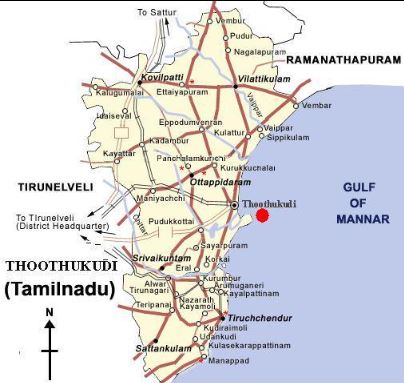
Pattanamarudur is located in Thoothukudi district, close to the Gulf of Mannar on Tamil Nadu’s southeastern coast.
The Gulf of Mannar is exceptionally rich in marine resources, including several species of molluscs and conch shells. This ecological setting is important for understanding why shell-working developed in this part of southern India.
The archaeological potential of Pattanamarudur was recognized before the current excavation. Field observations had documented pottery, conch ornaments, stone tools, iron-working evidence, terracotta material and other remains over a large area.
Following these discoveries, the Tamil Nadu government announced archaeological excavation at the site in its 2025–26 Budget. Around 300 acres of Pattanamarudur were subsequently declared an archaeological site for investigation
A Massive Shell-Working Industry
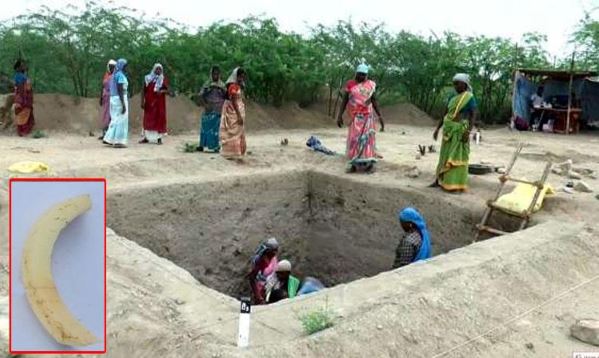
The most striking discovery is the enormous quantity of shell-related material.
Archaeologists have reported finding:
- 🐚 Large deposits of discarded conch shells
- 💍 Shell bangles
- 📿 Shell beads
- 🌀 Engraved conch shells
- Pieces and fragments generated during shell working
The presence of both finished objects and manufacturing waste is particularly valuable.
It suggests that Pattanamarudur was not merely a place where shell ornaments were used. It may have been a major centre where marine shells were processed and converted into finished products.
From Shell to Ornament: Reconstructing the Production Process
Shell-working can reveal an entire chaîne opératoire—the sequence of activities involved in manufacturing an object.
A simplified production chain would look like:
🌊 Marine resource
↓
🐚 Shell collection
↓
⚒️ Cutting and processing
↓
💍 Manufacturing
↓
📦 Distribution or exchange
Archaeologists can study discarded shell fragments, cut marks, unfinished pieces and finished ornaments to reconstruct different stages of production.
This makes industrial archaeology particularly valuable for understanding ancient economies.
Why Archaeologists Call It an Industrial Site
Finding a shell bangle by itself would not demonstrate an industrial centre.
What makes Pattanamarudur especially interesting is the scale and concentration of shell-working evidence.
Large quantities of raw and discarded shell material, manufacturing debris and finished products can indicate specialized production.
Archaeologists can therefore investigate questions such as:
- Was production concentrated in particular areas?
- Were particular shell species preferred?
- How were shells cut?
- Were specialists involved?
- Were products made for local consumption or wider exchange?
- Did production change over time?
The answers could help reconstruct the economic organization of the settlement.
Pattanamarudur and the Gulf of Mannar
The location of Pattanamarudur is crucial.
The Gulf of Mannar has long been associated with maritime activity and the exploitation of marine resources.
Nearby archaeological centres such as Korkai are already important for understanding the ancient economy and maritime connections of southern Tamil Nadu.
The new Pattanamarudur evidence adds another dimension: the region may have supported not only maritime exchange but also large-scale processing of marine resources into manufactured goods.
Evidence Beyond Shells
The excavation has also produced evidence extending beyond shell-working.
Reported finds include:
🪙 Pandya coins
🪙 Vijayanagara-period coins
🏺 Chinese celadon ware
📿 Shell ornaments
🐚 Conch-shell processing waste
The presence of Chinese ceramic material is particularly interesting because it provides evidence for contacts extending beyond the immediate region.
However, individual imported objects should not automatically be interpreted as proof of direct trade with China. Their archaeological context, dating and routes of movement need to be examined carefully.
Evidence for Long-Distance Exchange?
The combination of shell production and imported ceramics raises important questions about Pattanamarudur’s role within wider exchange networks.
If shell ornaments and other manufactured products were produced on a large scale, they may have moved beyond the immediate settlement.
Researchers can compare the manufacturing techniques and shell products from Pattanamarudur with material from other archaeological sites across Tamil Nadu and the Indian Ocean region.
Such comparisons could help establish whether Pattanamarudur was primarily:
- A local production centre
- A regional manufacturing hub
- A supplier for coastal settlements
- Or part of a wider maritime exchange network
At present, the evidence is promising, but these broader interpretations require further archaeological analysis.
Craft Specialization and Labour
Large-scale shell production also raises questions about labour organization.
Producing shell ornaments involves several stages of work, potentially including:
- Obtaining raw shells
- Selecting suitable specimens
- Cutting and removing unwanted portions
- Shaping the material
- Smoothing and polishing
- Decorating the finished product
- Distributing or exchanging the objects
If these activities were concentrated at Pattanamarudur, the site could provide evidence for a specialized craft community.
This is one reason industrial archaeology is so important: it allows researchers to investigate how ancient economies were organized, rather than simply cataloguing individual artefacts.
The Excavation Is Still Important Because It Is New
Excavation at Pattanamarudur formally began in March 2026 after the necessary government clearance. Initial work involved scientific measurements and the laying out of excavation trenches measuring approximately 20 × 20 metres.
This means the archaeological picture is still developing.
The large-scale shell-working interpretation comes from the material uncovered during the ongoing investigation and from earlier field evidence.
Future excavation seasons and specialist studies will be essential for establishing the site’s chronology, production organization and relationship with nearby settlements.
Earlier Shell Industries in Tamil Nadu
Pattanamarudur is not the first Tamil archaeological site to produce evidence of shell working.
Shell-working has previously been identified at sites including:
- Korkai
- Alagankulam
- Arikamedu
- Kodumanal
Archaeologists therefore already had evidence that shell craft was part of ancient Tamil economic life.
What makes Pattanamarudur particularly notable is the reported scale of the shell-working area. Professor K. Rajan, adviser to the Tamil Nadu State Department of Archaeology, described it as the largest ancient shell industry found in Tamil Nadu so far.
A Window into Ancient Coastal Economies
The discovery can potentially contribute to a broader understanding of how ancient coastal communities interacted with their environment.
Marine resources were not simply food sources.
They could become:
🐚 Raw materials
💍 Ornaments
📿 Beads
🛕 Ritual objects
📦 Trade commodities
Pattanamarudur demonstrates how archaeological evidence can reveal the economic value of resources that might otherwise appear insignificant.
A discarded shell fragment can actually tell archaeologists about technology, labour, trade and consumption.
What Researchers Need to Establish
Several questions remain open.
1. Chronology
Exactly when did large-scale shell production begin at Pattanamarudur?
2. Technology
What tools and techniques were used to cut and shape the shells?
3. Production Scale
Was the reported 200-acre distribution continuous industrial activity or a wider archaeological landscape containing different kinds of remains?
4. Distribution
Where did the finished shell ornaments go?
5. Maritime Connections
How closely was the site connected with the Gulf of Mannar’s coastal trade networks?
6. Settlement Organization
Where were workshops, habitation areas and other activity zones located?
These are precisely the questions that systematic excavation and scientific analysis can help answer.
Why Pattanamarudur Matters
The Pattanamarudur excavation is important because it moves the discussion of ancient Tamil coastal economies beyond ports and imported objects.
It provides evidence for production itself.
The archaeological sequence potentially looks like:
Gulf of Mannar
↓
Marine resources
↓
Shell collection
↓
Specialized processing
↓
Ornament manufacture
↓
Exchange and distribution
This allows archaeologists to investigate an entire economic system rather than a single artefact.
Conclusion
Pattanamarudur is emerging as an important archaeological site in southern Tamil Nadu.
The discovery of extensive shell-working evidence suggests that the area may have been a major centre of marine-resource processing and craft production.
The reported presence of shell ornaments, manufacturing waste, engraved conches, imported Chinese ceramics and coins from different historical periods makes the site particularly promising for understanding the long-term economic history of the Gulf of Mannar region.
But the most important work is still ahead.
Archaeologists now need to establish the chronology, production methods, settlement organization and distribution networks represented at the site.
If future research confirms the scale suggested by the current discoveries, Pattanamarudur could become a major reference point for understanding ancient shell-working and coastal economies in Tamil Nadu.
Key Facts
📍 Site: Pattanamarudur, Thoothukudi district, Tamil Nadu
🌊 Region: Gulf of Mannar
⛏️ Excavation: Tamil Nadu State Department of Archaeology
📐 Archaeological area: Reported to extend across nearly 200 acres
🐚 Major evidence: Conch-shell processing and shell ornaments
💍 Finds: Bangles, beads and engraved shells
🏺 Other finds: Chinese celadon ware and coins associated with Pandya and Vijayanagara periods
🎓 Significance: Large-scale shell-working, craft specialization and potential maritime exchange
Sources
The Tamil Nadu State Department of Archaeology confirms Pattanamarudur as one of the sites selected for archaeological excavation during the 2025–26 financial year.
Recent reporting from The Times of India describes the discovery of the extensive shell-working industry, including conch shells, bangles, beads, Chinese celadon and coins, and quotes archaeologist K. Rajan describing it as the largest ancient shell industry identified in Tamil Nadu so far.
The New Indian Express documented the earlier surface discoveries that helped establish the archaeological potential of the Pattanamarudur area before formal excavation began.